What are semi-precious stones is one of the most common questions people ask when they start buying gemstone jewellery and it’s also one of the most misunderstood terms in fine jewellery.
In short: “semi-precious” is an old label that doesn’t reliably tell you whether a gemstone is valuable, durable, or suitable for the piece you want. What matters is colour quality, rarity, treatment transparency, and how the stone is cut and set.
If you want the full picture of gemstones (including sapphire, emerald, tourmaline, turquoise and more), read the hub guide here: Gemstones and Semi-Precious Stones: The Complete Guide.

What Are Semi-Precious Stones?
Semi-precious stones are gemstones that sit outside the traditional “precious” group: diamond, ruby, sapphire and emerald. Everything else was historically placed into the semi-precious bucket, from amethyst and aquamarine to tourmaline, turquoise, lapis lazuli, topaz and tanzanite.
The issue is that this grouping doesn’t reflect modern gemstone knowledge or how fine jewellery is actually priced. You can find “semi-precious” stones that are rare, expensive and highly collectable and you can also find lower-quality versions of precious stones that are far less desirable than a well-chosen tourmaline or tanzanite.
Why “Semi-Precious” Is an Outdated Term in Fine Jewellery
In jewellery circles, “semi-precious” is used less and less because it suggests a hierarchy that doesn’t hold up. It’s much more accurate to talk about the stone itself: its colour, clarity, cut, rarity, treatments and suitability for the setting.
- Value isn’t defined by category. A rare tourmaline colour can outprice many “precious” stones.
- Durability varies by stone. The label doesn’t tell you how a gem will wear in a ring or necklace.
- Treatment transparency matters. Two stones can look similar yet be priced very differently based on disclosure and stability.
- Design changes everything. A protective setting can make a softer stone suitable for more frequent wear.
Which Stones Are Considered Semi-Precious?
Here are common examples you’ll see in fine jewellery (and in search results when people ask “which stones are semi-precious?”):
- Tourmaline (including teal tourmaline, pink tourmaline and bi-colour stones)
- Turquoise (opaque, saturated colour; a signature choice in my own designs)
- Lapis lazuli (deep ultramarine blue, often with pyrite flecks)
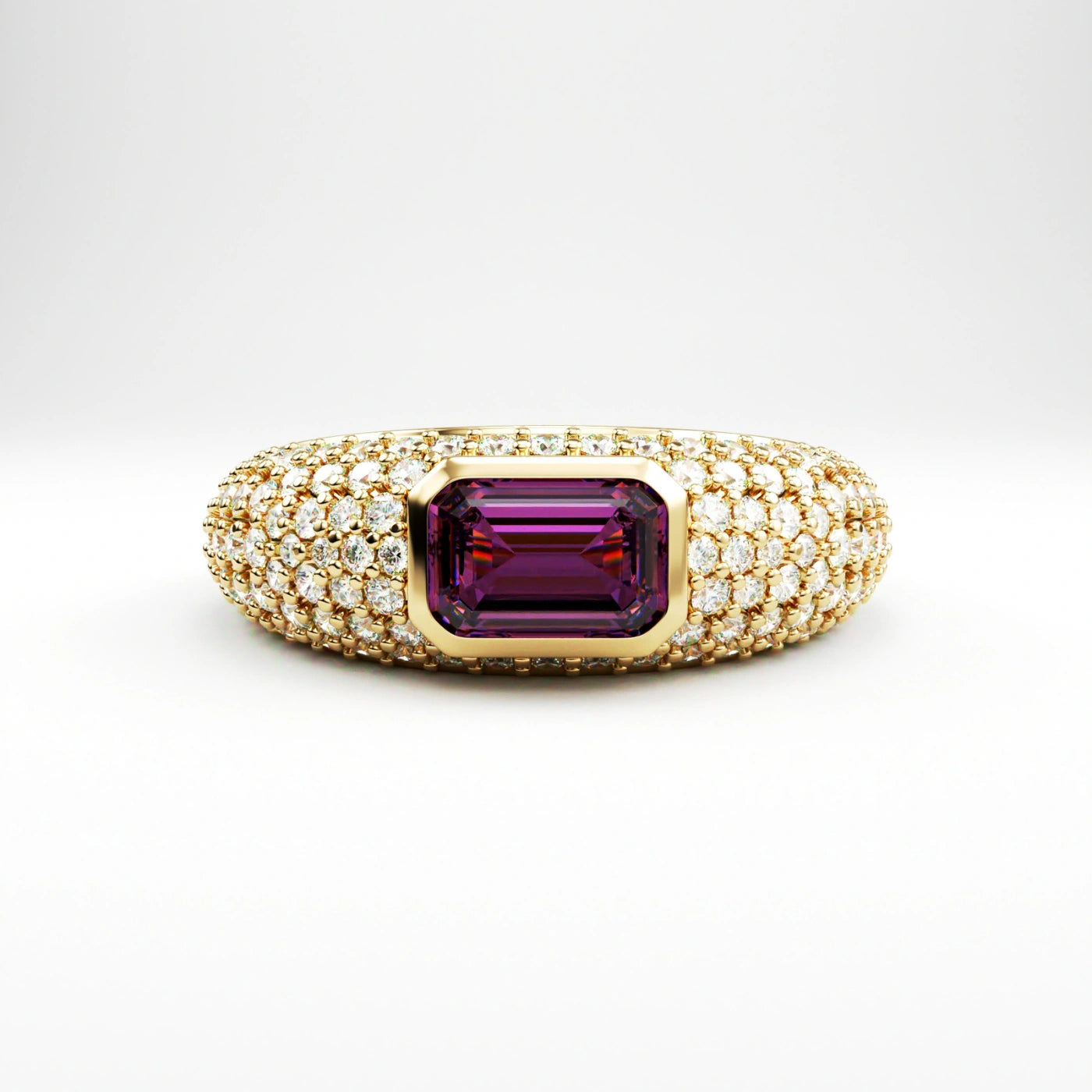
- Amethyst (violet tones; quality depends on colour purity and depth)
- Aquamarine (soft blue, often prized for clarity)
- Topaz (including blue topaz; treatment disclosure matters)
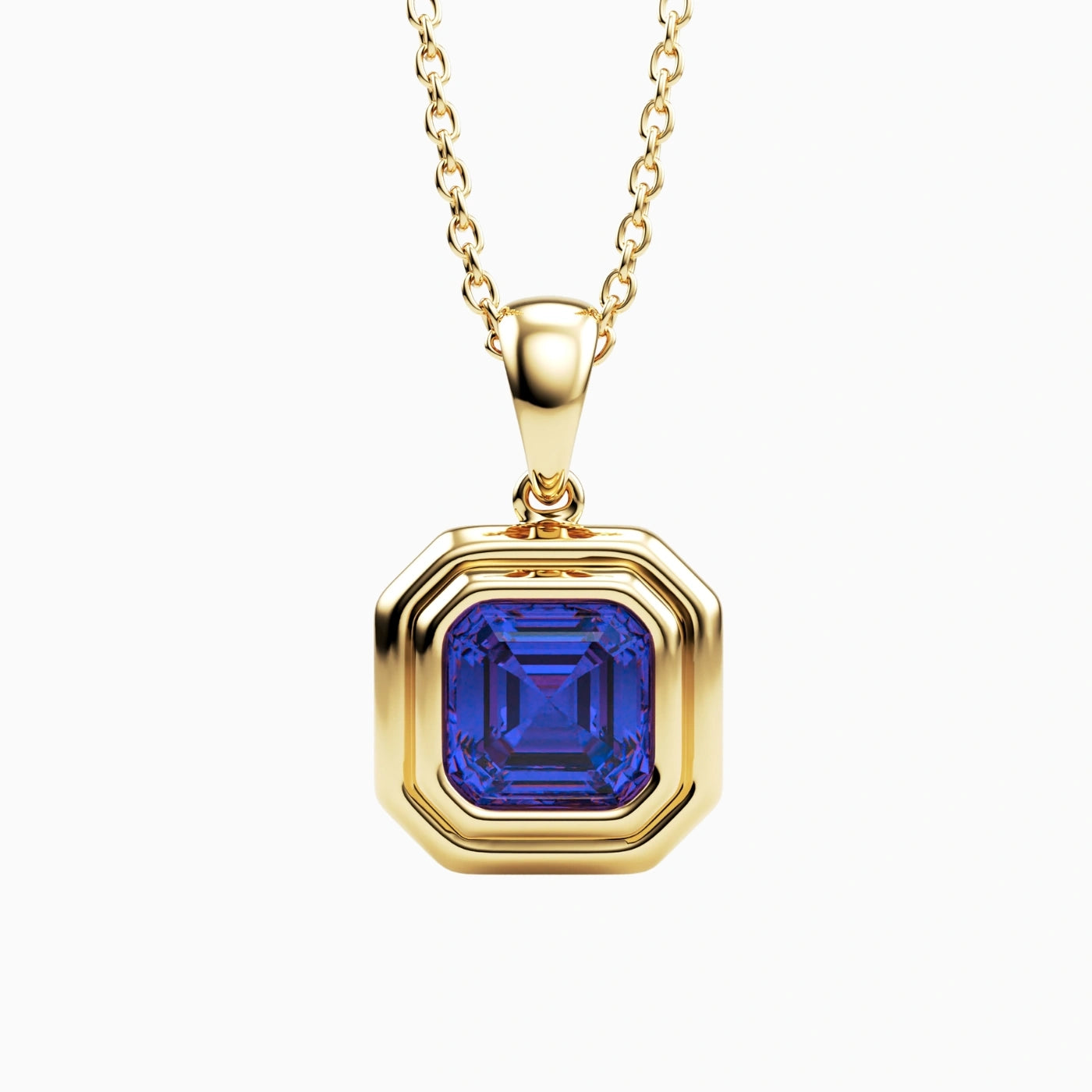
- Tanzanite (blue-violet depth; setting choice is important)
- Zircon (natural zircon is distinct from cubic zirconia)
If you’re shopping for a specific stone next, these guides help you go deeper: A Guide to Lapis Lazuli Jewellery, What Is a Blue Gemstone Called?

Are Semi-Precious Stones Worth Anything?
Yes, and this is where the outdated label causes the most confusion. The value of a gemstone is driven by quality and rarity, not whether someone calls it semi-precious.
When I’m assessing a stone for a piece, I’m looking at how the colour reads in natural light and whether the stone holds its presence once set in gold. A smaller stone with strong saturation can look far more considered than a larger stone with weak tone.
What Actually Determines Gemstone Value?
- Colour: tone + saturation + evenness (the biggest driver)
- Clarity: some stones are expected to have inclusions (emerald is the classic example)
- Cut: how well the stone is shaped to carry colour and reflect light
- Rarity: certain colours and origins are genuinely scarce
- Treatments: what was done (if anything) and whether it’s clearly disclosed
- Size: important, but usually after colour quality
What Are Semi-Precious Stones Made Of?
Semi-precious stones are naturally occurring minerals (and occasionally organic materials) shaped and polished for jewellery. Their chemistry is part of what creates colour: quartz becomes amethyst, while the elements present in turquoise contribute to its distinctive tone.
How Can You Tell if a Semi-Precious Stone Is Real?
The most reliable “tell” is disclosure and documentation. A reputable jeweller should clearly state whether a stone is natural, treated or laboratory-created, and price should make sense for what’s being sold.
At Argent + Asher, we explain materials plainly because it’s the only way to buy confidently online, you should understand what the stone is, what’s been done to it (if anything), and what that means for long-term wear.

What Are Semi-Precious Stones Used For in Jewellery?
Semi-precious stones are used across fine jewellery, rings, necklaces, bracelets and earrings, especially when the goal is colour and personality rather than a traditional diamond look.
- Statement colour: turquoise and lapis deliver immediate visual presence
- Refined tone: aquamarine and amethyst can feel softer and more tonal
- Collector appeal: tourmaline draws people in because of its colour range and rarity in certain shades
- Meaning-led pieces: birthstones and symbolic stones are often chosen for personal stories
How We Choose Gemstones at Argent & Asher
Colour is the starting point, but design decides whether that colour looks intentional once it’s set. I look for stones with depth and saturation that stay strong in real life, not just in studio lighting.
Tourmaline is one of the most exciting stones to work with because the colour range is extraordinary, and teal tourmaline has a balance I’m repeatedly drawn to. Turquoise is also central to the brand, it’s bold, distinctive, and when it’s chosen well it has a confidence that’s hard to replicate with any other stone.
Where to Go Next
If you’re choosing gemstone jewellery and want to compare stones properly, these guides help:

Frequently Asked Questions About Semi-Precious Stones
What are semi-precious stones called?
Semi-precious stones are simply gemstones that fall outside the traditional “precious” category of diamond, ruby, sapphire and emerald. In modern jewellery, the term is used less frequently, as it doesn’t accurately reflect quality or value. At Argent + Asher, gemstones are selected based on colour, structure and how they perform in jewellery, rather than outdated labels.
What are semi-precious stones made of?
Semi-precious stones are naturally occurring minerals formed over time through geological processes. Each stone has a unique chemical composition, for example, quartz forms amethyst, while copper and aluminium contribute to the colour of turquoise. Understanding composition helps explain colour, durability and how a stone should be set.
What are semi-precious stones worth?
The value of semi-precious stones varies widely. It depends on colour saturation, clarity, rarity, size and whether the stone has been treated. A well-coloured tourmaline or tanzanite can be more valuable than a lower-grade “precious” stone. At Argent + Asher, we prioritise colour integrity and balance within the design rather than size alone.
What are semi-precious stones used for?
Semi-precious stones are used across fine jewellery, from rings and necklaces to more personal pieces such as birthstone jewellery and symbolic designs. Stones like turquoise and lapis are often chosen for their presence and meaning, while others like aquamarine or amethyst offer a more refined, tonal look.
Which stones are considered semi-precious?
Examples include tourmaline, amethyst, aquamarine, turquoise, lapis lazuli, topaz and tanzanite. However, this classification is largely traditional. In practice, each stone is assessed individually based on quality and how it is used in jewellery.
Are semi-precious stones worth anything?
Yes, many have significant value, particularly when colour and rarity align. The term “semi-precious” does not mean low value. In some cases, rare colours of stones such as tourmaline or zircon can command high prices in fine jewellery.
How can you tell if a semi-precious stone is real?
The most reliable way is through transparency from the jeweller. A reputable brand will clearly state whether a stone is natural, treated or lab-created. At Argent + Asher, we explain material choices and how they impact wear, so you understand exactly what you’re buying.
What are examples of semi-precious stones?
Common examples include amethyst, turquoise, lapis lazuli, aquamarine, tourmaline and topaz. Each varies significantly in tone, durability and how it should be worn.
If you take one thing from this guide, it’s this: ignore the label and assess the stone. Colour quality, transparency and setting design will tell you far more than the phrase “semi-precious” ever will.