


Evil Eye Signet Ring


Gold Rope Signet Ring


Ladies Gold Signet Ring
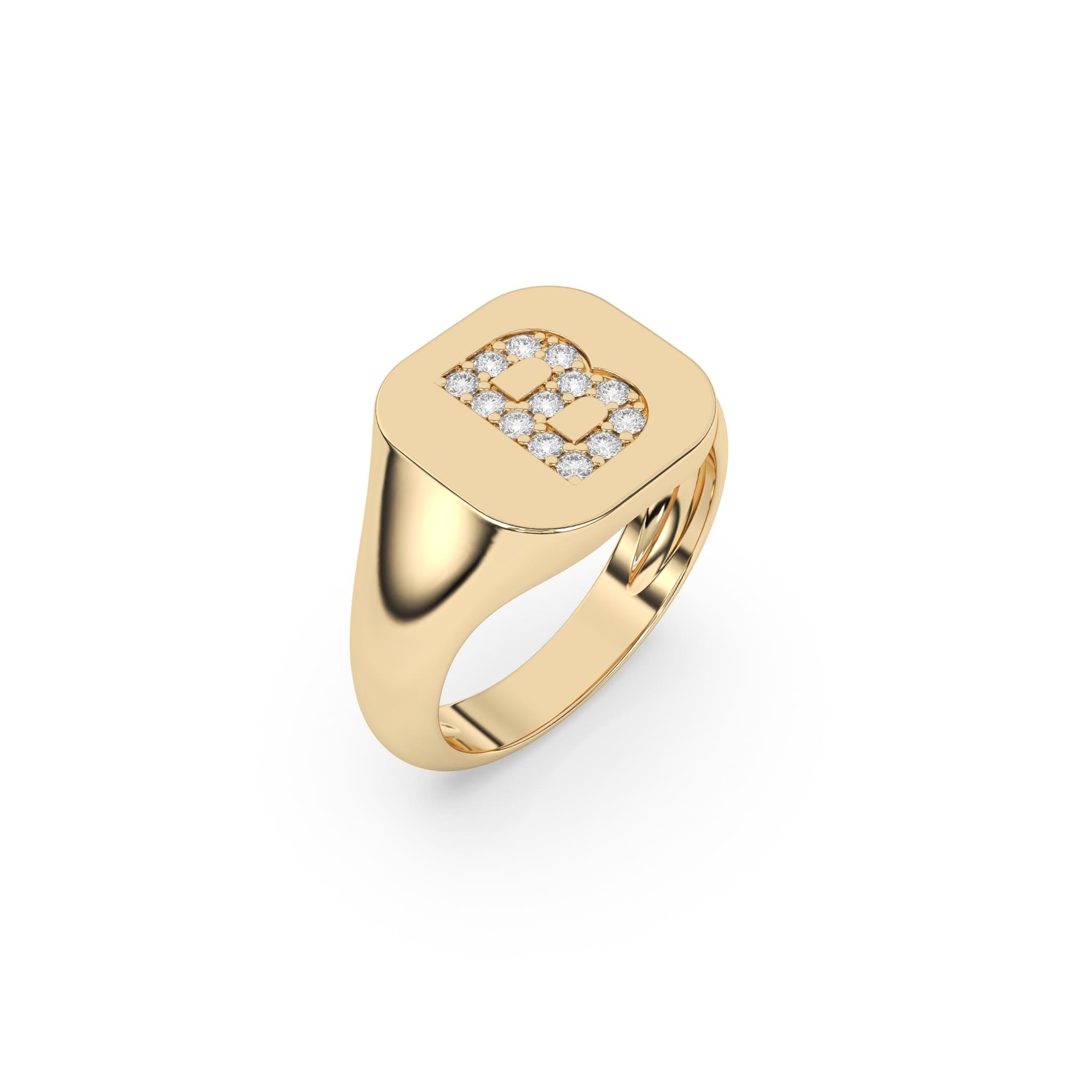

Classic Diamond Initial Signet Ring

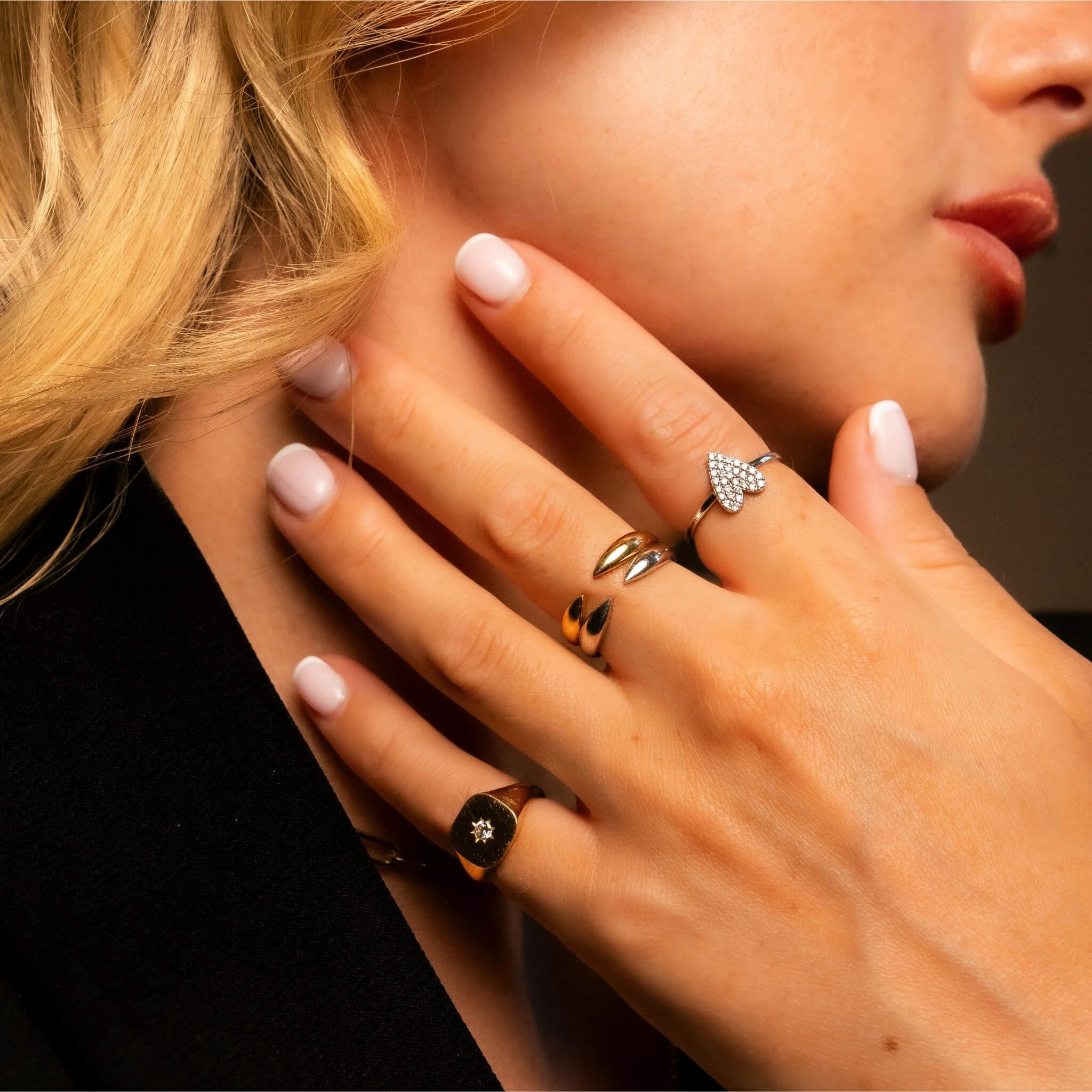
Classic Diamond Star Signet Ring

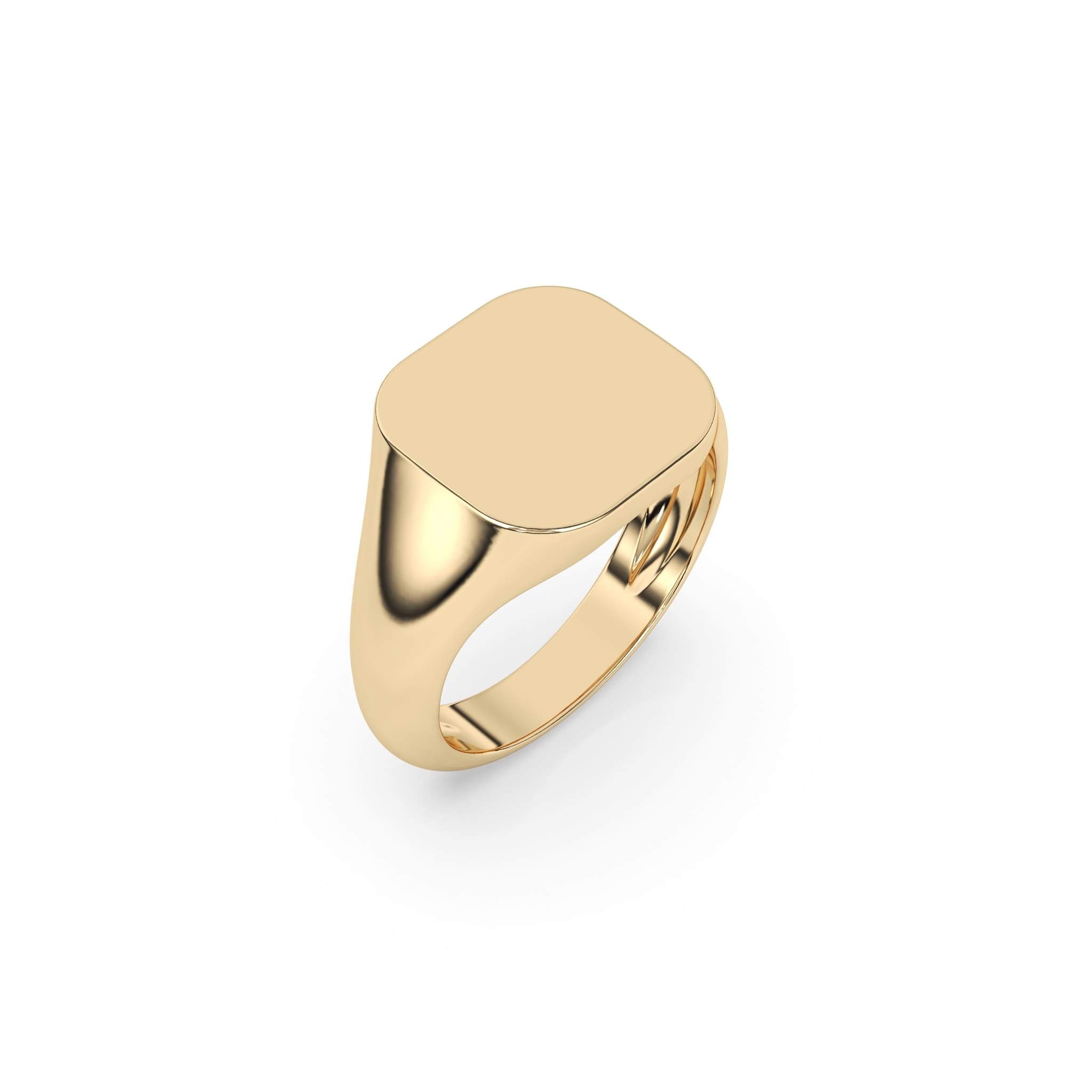
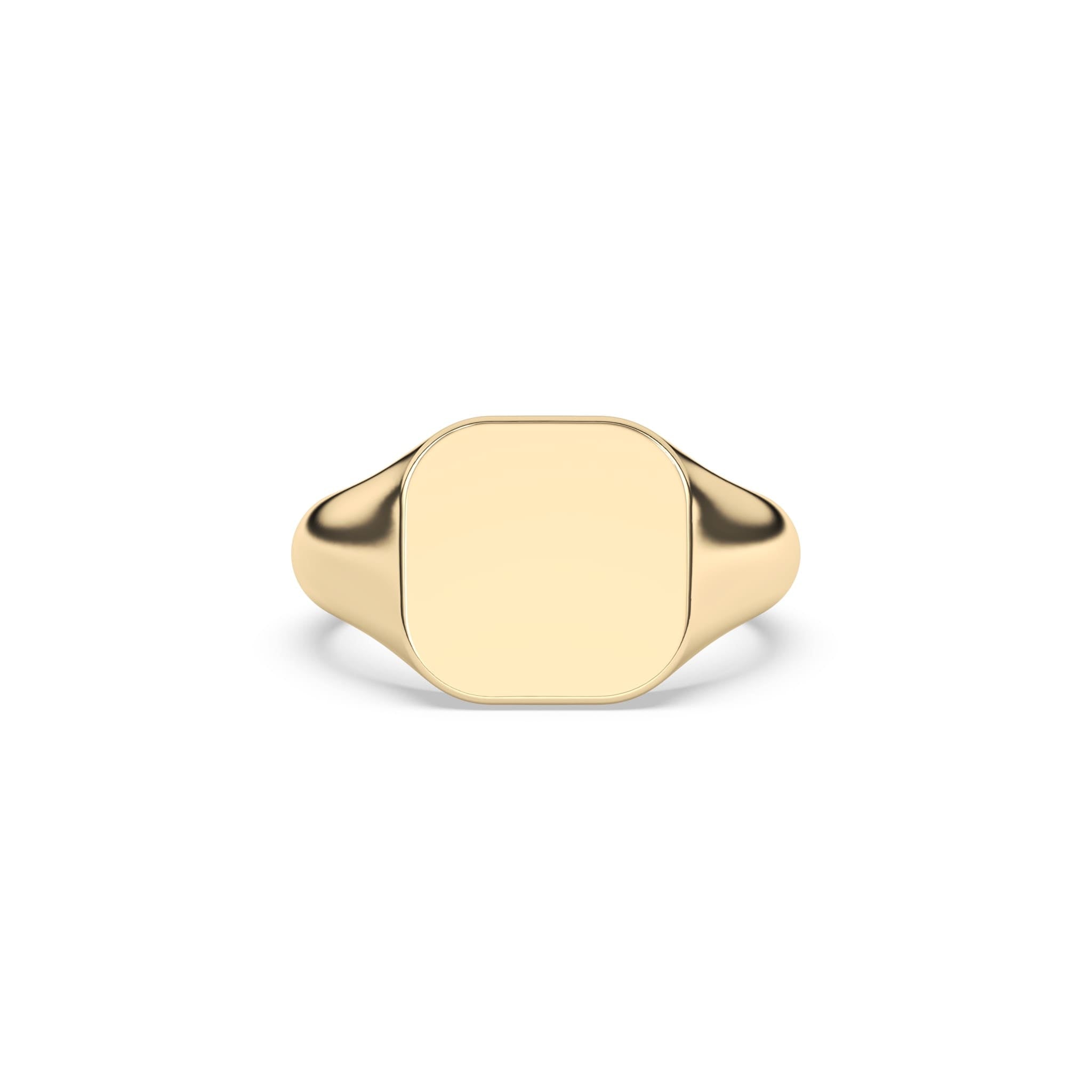
Classic Signet Ring


Diamond Oval Signet Ring


Diamond Baguette Signet Ring
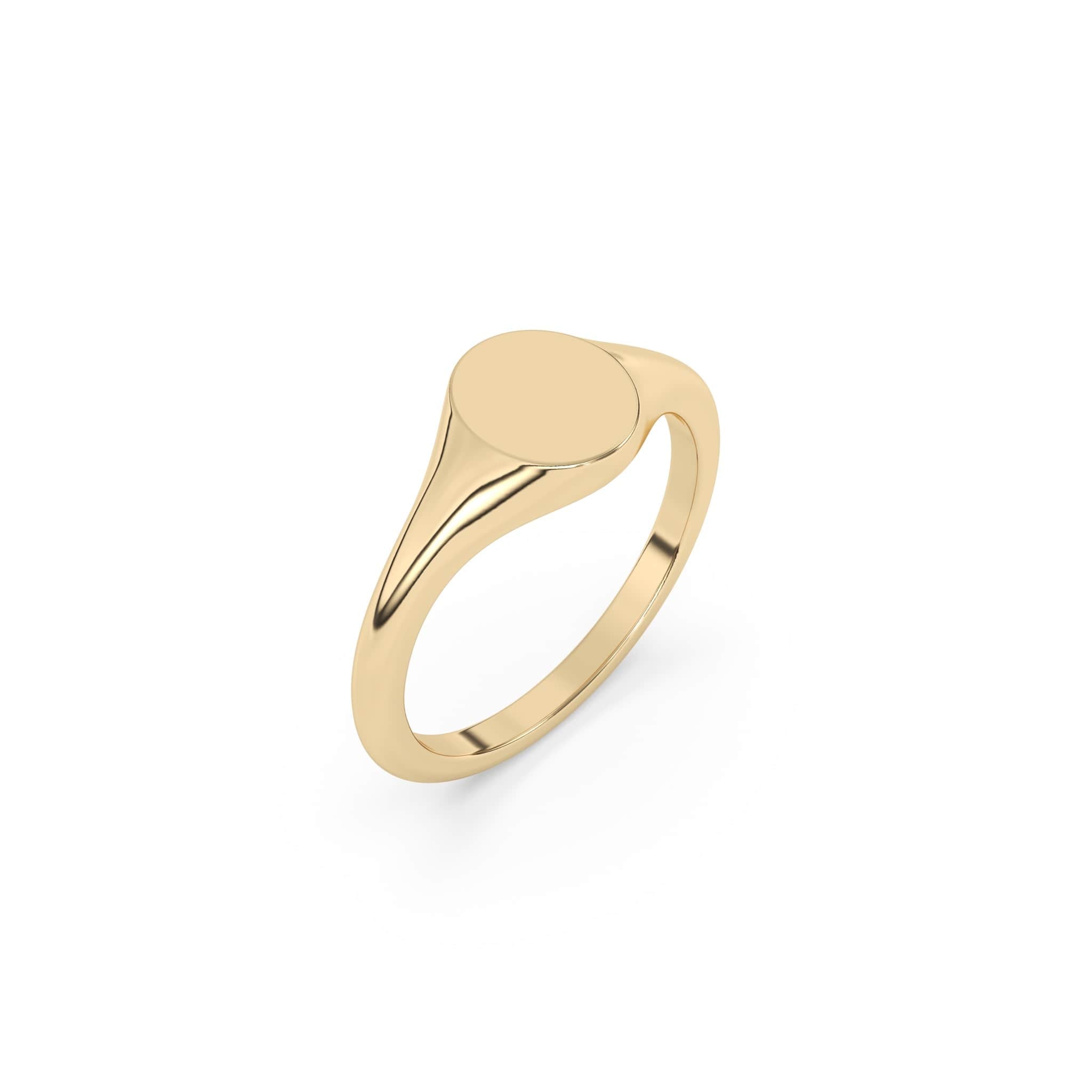
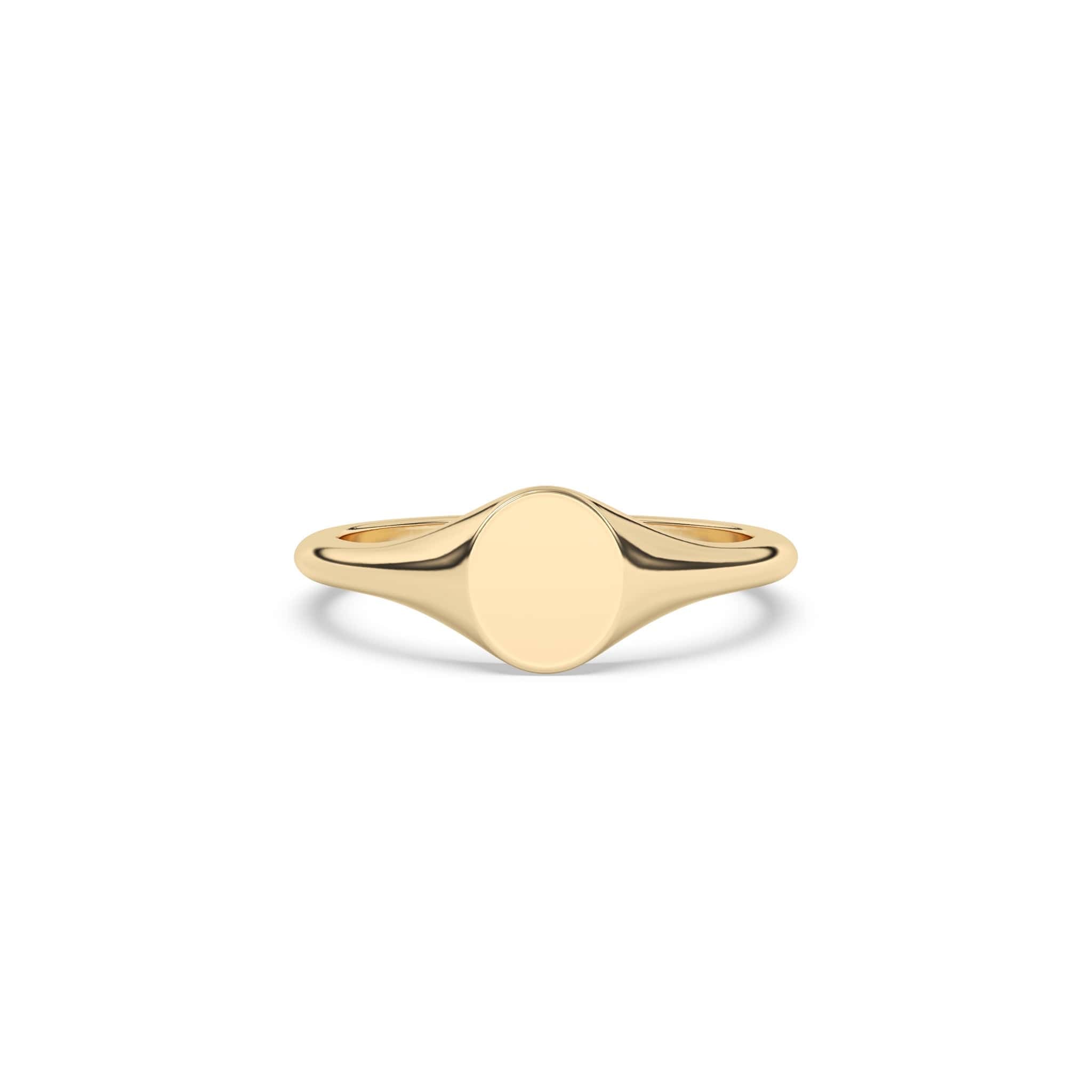
Oval Signet Ring
Gold Signet Rings for Women — Made to Order in Our London Atelier
Every gold signet ring at Argent & Asher is made in solid gold — not plated, not vermeil. The oval face, the weight of the band, the finish: each one is crafted individually to order in our London atelier in 9ct, 14ct and 18ct gold. A signet ring made this way becomes a piece you wear for decades, not a season.

The Gold Signet Ring — Oval Face, Solid Gold, Made Once
The signet ring has always been the most considered piece on the hand — a ring chosen deliberately rather than given on impulse. The Oval Signet Ring is where the collection begins: a clean oval face in solid 9ct or 18ct gold, from £715. No engraving, no diamond setting — just the weight and form of a well-made gold ring on the finger.
The Ladies Gold Signet Ring carries more presence: a wider oval face, the same solid gold construction, made slightly larger for those who want the ring to be seen as well as felt. The Classic Signet Ring offers the traditional proportion in solid 9ct or 18ct gold — the signet ring in its most enduring form. The Gold Rope Signet Ring gives the oval face a twisted rope band — the same solid gold, with a detail that sets it apart from a plain band.
All four are gold signet rings for women designed to be worn every day. Made to order, lead times are on each product page.
Diamond Signet Rings and Initial Signet Rings — Personalised in Solid Gold
The Classic Diamond Initial Signet Ring brings together the signet ring's history of identity and A&A's craft in solid gold: your initial set across the face of the ring in natural diamonds, in 9ct or 18ct gold. A signet ring with an initial worn on the hand rather than carried on a chain. From £980.
The Diamond Oval Signet Ring sets natural diamonds around the oval face itself — the ring framed in stone rather than engraved. The Diamond Baguette Signet Ring uses baguette-cut diamonds across the face for a more directional, fashion-led result. Both in solid gold from £855.
For the most significant piece in the collection, the Evil Eye Signet Ring sets a full evil eye motif in natural diamonds across the face of the ring — from £2,130 in solid 18ct gold. A piece that sits at the point where jewellery becomes something more personal. For a broader view of personalised rings beyond signet styles, the full collection covers initial and name rings in solid gold.

Solid Gold. Made to Order. Crafted in Our London Atelier.
Every signet ring at Argent & Asher is made individually once the order is placed — not held in stock, not adjusted from a generic piece. The gold signet rings collection covers plain, diamond-set and initial styles, all made in solid 9ct, 14ct or 18ct gold in our London atelier.
What Is a Signet Ring — and How to Wear One
A signet ring is defined by its flat face. Historically, that face carried a family crest or monogram pressed into wax to seal correspondence — which is why the traditional design is a large, smooth oval or rectangle of gold. The modern interpretation keeps the flat face format but drops the ceremony. It's worn as a signature piece: a ring that's definitively yours, in solid gold, made to last.
Traditionally, a signet ring was worn on the pinky of the non-dominant hand — the convention that gave rise to the pinky signet ring as a category. Today there are no rules. On the index or middle finger it reads as more contemporary; on the pinky, more classic. Both work. The distinction is less about convention and more about which finger you want to draw attention to.
At Argent & Asher, signet ring women styles span five different face shapes and nine designs — from the plain oval Classic Signet Ring to the diamond Evil Eye Signet Ring. Every piece is made in solid gold in the carat you choose.
Plain Gold or Diamond — Choosing Your Signet Ring Style
The choice between a plain gold signet ring and a diamond signet ring is the choice between restraint and detail. A plain gold signet ring has a clean, uninterrupted face of solid gold — it can be worn as it is or engraved with an initial, crest or date. The face is the point: simple, considered, personal in its plainness. It's the traditional interpretation, and for many people, the right one.
A diamond signet ring replaces the plain face with stone-set design. The Diamond Baguette Signet Ring sets a single baguette at centre; the Diamond Oval Signet Ring runs diamonds around the oval perimeter; the Classic Diamond Star Signet Ring and Evil Eye Signet Ring replace the face entirely with a motif in natural diamonds. For the most personalised option, the initial signet ring sets a chosen letter across the face in diamonds — the Argent & Asher version of the engraved signet ring.
Neither is more or less right. It depends on whether you want the signet ring to read as understated or as a piece with more to look at. For a personalised gold jewellery gift, the initial style is the most significant choice.
9ct, 14ct or 18ct — Choosing Your Signet Ring Gold
Carat matters more for a signet ring than for many other jewellery formats. The face of the ring takes direct impact daily — against surfaces, desks, bags — so the hardness of the gold is a practical consideration, not just an aesthetic one.
9ct gold is the traditional UK signet ring specification: the hardest of the three, the most resistant to daily wear, and the most practical choice for a ring worn every day. A 9ct gold signet ring holds its surface better over time. 18ct gives a richer, deeper gold colour — warmer in yellow gold, crisper in white — but it's softer and better suited to a ring worn occasionally rather than constantly. An 18ct gold signet ring is the right choice when colour is the priority and wear frequency is lower.
14ct sits between the two: close to 18ct in colour, closer to 9ct in durability. It's a good compromise for a solid gold signet ring worn regularly but not every day. All three carats are available across most styles in the gold signet rings collection — chosen at checkout alongside yellow, white or rose gold.
Signet Rings — Your Questions Answered
Everything you need to know before you choose.
What signet rings does Argent & Asher offer? +
The signet ring collection at Argent & Asher covers nine styles across two categories: plain gold and diamond-set or initial. The plain gold signet rings are the Classic Signet Ring (large oval face), the Oval Signet Ring (petite oval face), the Ladies Gold Signet Ring (pear-shaped face) and the Gold Rope Signet Ring (oval face with rope-textured band). The diamond and personalised styles are the Classic Diamond Initial Signet Ring (chosen initial in natural diamonds), the Diamond Baguette Signet Ring, the Diamond Oval Signet Ring, the Classic Diamond Star Signet Ring and the Evil Eye Signet Ring. All are made in solid 9ct, 14ct or 18ct gold in yellow, white or rose gold — not plated — in our London atelier.
What finger do you wear a signet ring on? +
The traditional convention for a signet ring is the little (pinky) finger of the non-dominant hand — historically, the ring hand used to seal wax impressions. Today there are no strict rules. The pinky signet ring remains the most classic look; wearing a signet ring on the index or middle finger reads as more contemporary. Most people wear their signet ring on whichever finger it fits most comfortably and looks most proportionate — the decision is personal rather than conventional.
What is the difference between a plain gold signet ring and a diamond signet ring? +
A plain gold signet ring has a smooth, flat face of solid gold with no stones — the face can be left as a clean disc of gold, engraved with a monogram or initial, or worn exactly as it arrives. A diamond signet ring replaces the plain face with a stone-set design — a single baguette diamond, a ring of diamonds around the oval perimeter, or a full motif in natural diamonds such as a star or evil eye. Both formats use the same flat-face signet ring construction; the difference is what appears on the face. At Argent & Asher, all diamonds in the collection are natural — no synthetic stones are used.
Can you personalise or engrave a signet ring at Argent & Asher? +
The Classic Diamond Initial Signet Ring is the personalised signet ring in the collection — a chosen initial set in natural diamonds across the oval face, available in any letter, made to order in our London atelier. This is the Argent & Asher initial signet ring: the same solid gold construction as the classic styles, the face replaced by a single letter in diamonds. For a plain gold signet ring with signet ring engraving on the face or inner band, the Classic Signet Ring and Oval Signet Ring can accommodate this on request — contact the atelier directly to discuss requirements before ordering.
What carat gold is best for a signet ring? +
9ct gold is the traditional UK choice for a signet ring and the most practical option for daily wear. The face of a signet ring takes more direct impact against surfaces than most ring styles, and 9ct is harder and more resistant to surface wear than higher carats. A 9ct gold signet ring holds its face and edge definition better over time. An 18ct gold signet ring gives a richer, deeper gold colour but is softer — better suited to occasional wear than constant. 14ct sits between the two in both colour and durability. Most styles in the collection are available in all three carats, chosen at checkout alongside yellow, white or rose gold.
How long does a signet ring take to make? +
Lead times vary by style and are confirmed on each product page. Most signet rings at Argent & Asher are made to order within a few weeks. The Classic Diamond Initial Signet Ring, which involves individual letter-setting in natural diamonds, may carry a slightly longer lead time — check the product page for the current estimate. Every piece is made individually in our London atelier once the order is placed — not pulled from stock, not adjusted from a generic piece.
Shop signet rings and related collections
Handcrafted to order in solid gold, in our London atelier
Gold Signet Rings — Customer Reviews
"I'd been looking for a gold signet ring for about two years. I'd looked at a lot of options — most were either silver, plated or not quite the right size. The Oval Signet Ring is exactly what I wanted. The gold is really weighty and substantial, it doesn't feel like jewellery you'd treat carefully. I've worn it every day since it arrived and it still looks exactly the same. Really glad I waited for the right one."
"I bought this as a gift to myself for a significant birthday. I wanted something I'd keep wearing rather than something I'd get bored of. The Classic Signet Ring is exactly the right size for me — not too big, not too small. The finish is really lovely and the weight of it is very satisfying. It's on my pinky every day and I've had more comments on this ring than anything else I own."
"The Classic Diamond Initial Signet Ring is so well made. The diamonds are set really cleanly and the initial is very clearly defined — it reads from across the room which I wasn't expecting. I chose my own initial and it came exactly as I imagined it. The lead time was clearly stated on the product page and it arrived exactly when they said. Really special piece, I wear it every day."
"I bought the Ladies Gold Signet Ring after going back and forth for a while — it's a lot to spend on a ring. But the quality is really evident when you put it on. It's solid and real in a way that's hard to describe until you feel it. I've worn cheaper rings that look similar but they just don't feel the same. This one feels like it will last forever because it actually will. It's become my signature ring."
Follow @argent.and.asher
Follow Us On Instagram


