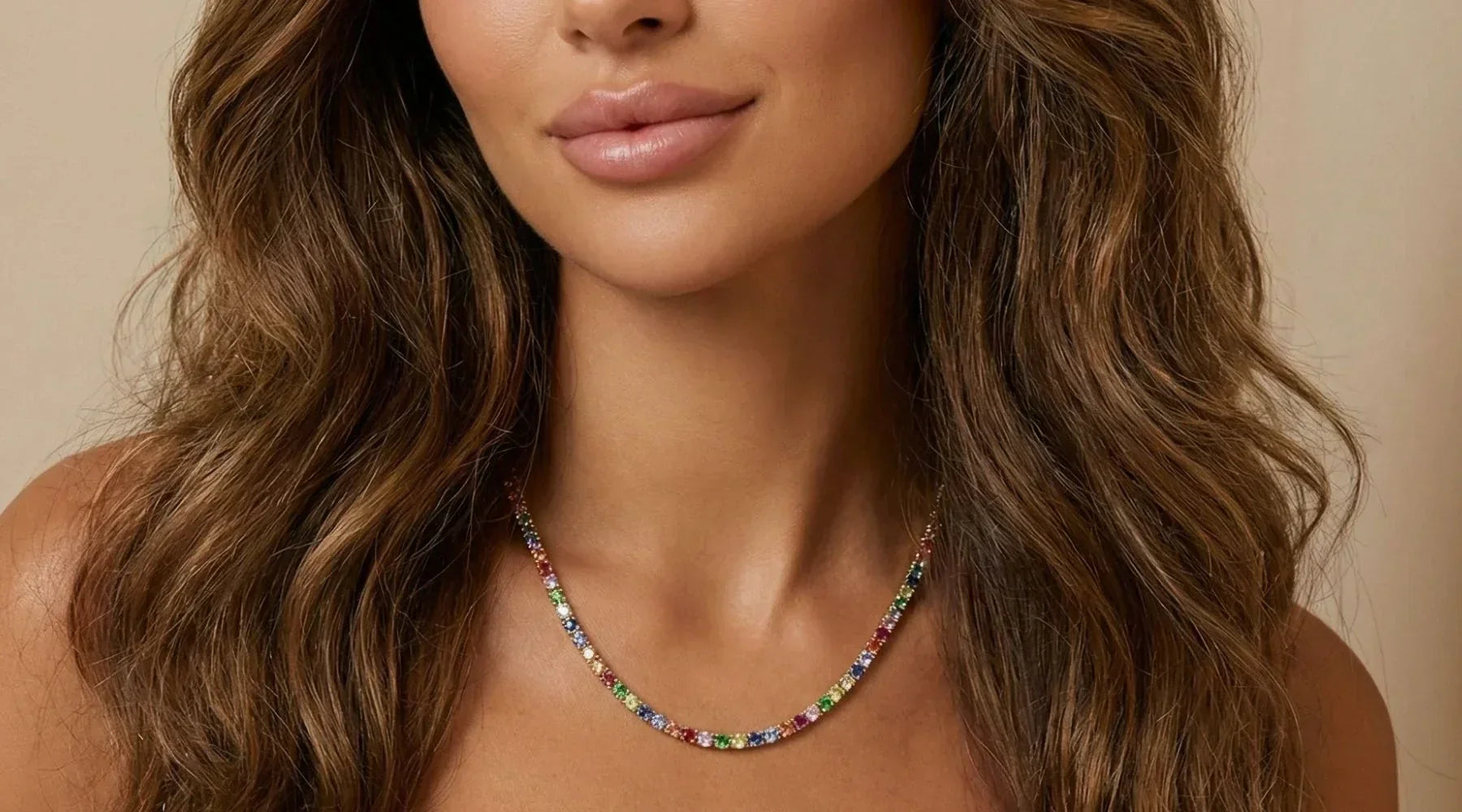
W hat are the most popular gemstones and which ones are actually worth choosing for jewellery you’ll wear for years? If you’ve started looking at gemstone jewellery, you’ll quickly see the same names repeated: diamond, sapphire, emerald, ruby. But popularity doesn’t always mean suitability, and it doesn’t guarantee the stone will look right once it’s set and worn. In this guide, I’ll walk you through the most popular gemstones in fine jewellery, what they actually look like in real life, how they behave once set, and where people often get it wrong when choosing them. This is based on working directly with gemstones, sourcing tourmalines, designing with turquoise, and creating pieces around stones like bi-colour ametrine. Once a stone is actually made into jewellery, the differences become very clear.

Some gemstones are popular because of tradition (diamond, sapphire, emerald). Others are popular because colour has become the point, turquoise, tourmaline, lapis stones chosen for identity as much as beauty. In my experience, the best gemstone decisions happen when you stop chasing “the right answer” and start choosing a stone for the role it needs to play in your life.
If you want the full picture (including how gemstones are classified and why “semi-precious” is an outdated label), start with the hub: Gemstones and Semi-Precious Stones: The Complete Guide.
The Most Popular Gemstones in Jewellery Today
Popularity isn’t only about how often a stone is seen, it’s also about how well it performs in jewellery. These are the stones people consistently come back to:
- Diamond
- Sapphire
- Emerald
- Ruby
- Turquoise
- Tourmaline
- Amethyst
- Aquamarine
- Lapis lazuli
- Tanzanite
- Topaz
- Zircon (not to be confused with cubic zirconia)
If you’re still getting your bearings, these two guides help define the language people use online: Is a Diamond a Gemstone? and What Are Semi-Precious Stones?.

Why These Gemstones Stay Popular
Trends come and go, but certain gemstones stay popular because they consistently deliver the look people want, and they hold up as jewellery.
- They perform well in light (brilliance or depth)
- They’re recognisable and easy to understand
- They suit gold settings and look strong once set
- They work for gifting and milestone moments
- They carry symbolism without needing explanation
Diamond: The Most Recognised Gemstone
Why Diamond Is So Popular
Diamond remains the most recognised gemstone, largely because of its durability and the way it returns light. That crisp, bright brilliance is its signature, which is why it has long been the default for engagement rings and milestone jewellery.
Is Diamond Always the Best Choice?
The idea that diamond is automatically the “best” choice is where many people get stuck. What matters is what you want the piece to do. If you’re choosing for maximum light performance and everyday resilience, diamond makes perfect sense. But if you’re choosing jewellery to feel personal or distinctive, diamond can sometimes feel a little expected unless the design gives it character.
Where People Go Wrong
People often focus entirely on specifications instead of how the stone actually looks once it’s set. A technically “better” diamond doesn’t always translate to a more beautiful piece in real life. Diamond is one aesthetic, a powerful one, but it isn’t the only fine choice. If you want sparkle and light performance, it’s hard to beat. If you want colour, personality, and something that feels uniquely yours, a gemstone can be the stronger statement.
Sapphire: Depth, Colour, and Durability
Why Sapphire Is So Popular
Sapphire is one of the most popular gemstones because it balances rich colour with durability. While blue sapphire is the most recognisable, it exists in a wide range of tones, and the best stones hold their depth in natural light, not just under showroom conditions.
A Reliable Choice for Everyday Wear
From a design perspective, sapphire is one of the most dependable stones, especially for rings. It wears well over time without needing constant concern, which is exactly why it remains such a classic choice.
What Most People Get Wrong
Not all sapphires look the same. The difference between a flat, inky blue and a stone with real depth is significant and it completely changes how the piece feels when worn.
What to Look For
The most important thing is colour that holds in natural light. That’s where you see the difference between an average sapphire and one that feels truly exceptional.

Emerald: Depth and Character
Why Emerald Stands Out
Emerald is one of the most distinctive gemstones, known for its unmistakable green tone. A well-chosen emerald has a richness that feels almost velvety, giving it a depth and presence that few stones can match.
What Makes Emerald Different
Emerald is often misunderstood, especially when viewed online. Many expect it to be perfectly clear, but inclusions are part of its identity and what makes the stone feel natural and alive.
Colour Over Perfection
The real focus with emerald should always be colour. A rich, saturated green with life and depth will always feel more beautiful than a technically “perfect” stone that looks flat. That depth of colour is what gives emerald its character and lasting appeal.

Ruby: Bold but Misunderstood
Why Ruby Stands Out
Ruby is one of the most striking gemstones, known for its bold, confident colour. It has long been associated with strength and intensity, making it a natural choice for statement pieces.
The Reality of Ruby Colour
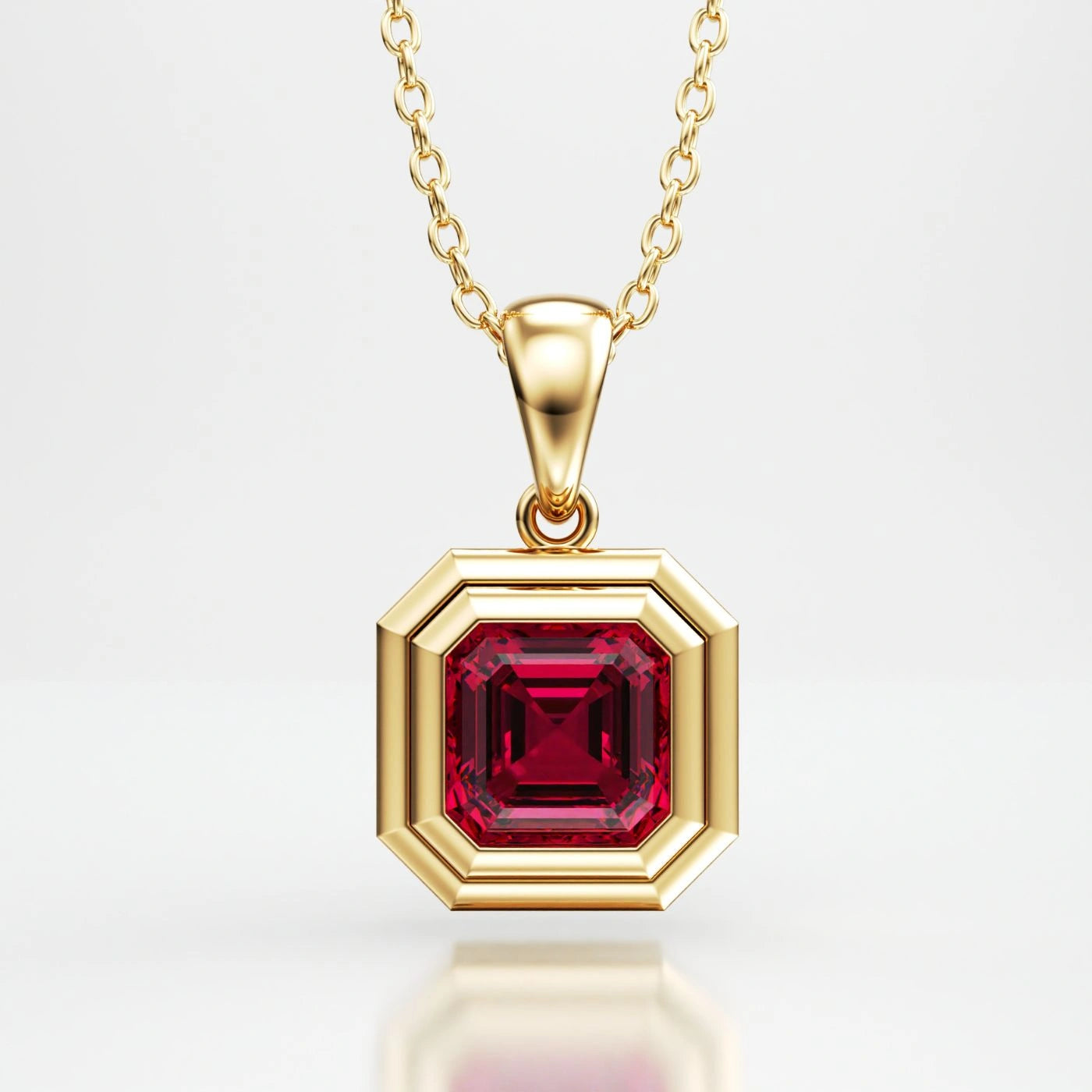
People often picture ruby as a very specific, vivid red, but that exact tone is rare. In reality, many rubies lean slightly pink or deeper in tone, and these variations can be just as beautiful, often more so in the right design.
What Makes a Ruby Feel Wearable
Softer-toned rubies tend to sit more naturally in everyday jewellery. They feel easier to wear, more modern, and pair particularly well with yellow gold. The goal isn’t a textbook colour, but a tone that feels balanced, flattering, and full of character.
Turquoise: Bold Colour That Feels Like Identity
Why Turquoise Stands Out
Turquoise is one of the few gemstones that doesn’t rely on sparkle at all — it’s entirely about colour and presence. When well chosen, it looks strong and intentional in gold, instantly recognisable and impossible to ignore.
What Makes Good Turquoise
Quality varies significantly. Poor turquoise can appear chalky or flat, while a well-chosen stone has depth, richness, and a natural vibrancy that gives the piece real impact.
A Stone with Identity
Turquoise is a stone I return to constantly in design because it gives a piece identity immediately. It doesn’t need to be loud to stand out — it simply holds its own. If turquoise is your stone, it tends to be something you come back to again and again.
If turquoise resonates with you, explore more in our Turquoise Gemstone Guide or discover the full turquoise jewellery collection.

Tourmaline: The Most Versatile Gemstone
Why Tourmaline Stands Out
Tourmaline is one of the most versatile gemstones, known for its extraordinary range of colour. From greens and pinks to deeper reds and shifting tones, it’s a stone that can feel subtle or dramatic depending on how it’s used in design.
The Appeal of Teal Tourmaline
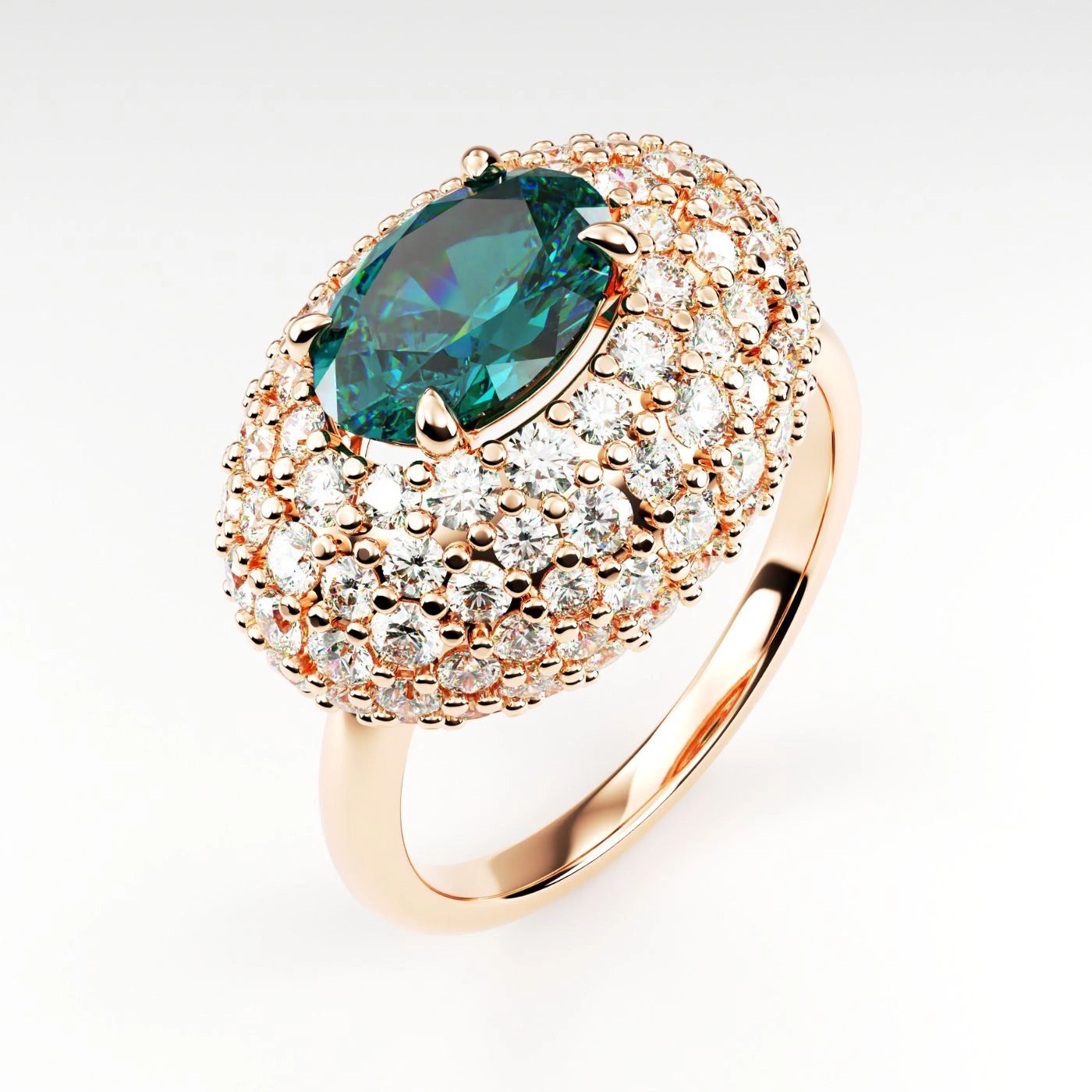
Teal tourmaline is particularly distinctive, sitting in that rare space between blue and green. It feels modern, rich, and far less predictable than more traditional gemstones, which is why it works so well in contemporary jewellery.
What Makes It Truly Unique
Bi-colour tourmalines are where the stone becomes truly special. With two tones in one stone, no two are ever the same, giving each piece a sense of individuality that’s impossible to replicate.

Amethyst, Aquamarine, Lapis and Tanzanite
Why These Stones Are Popular
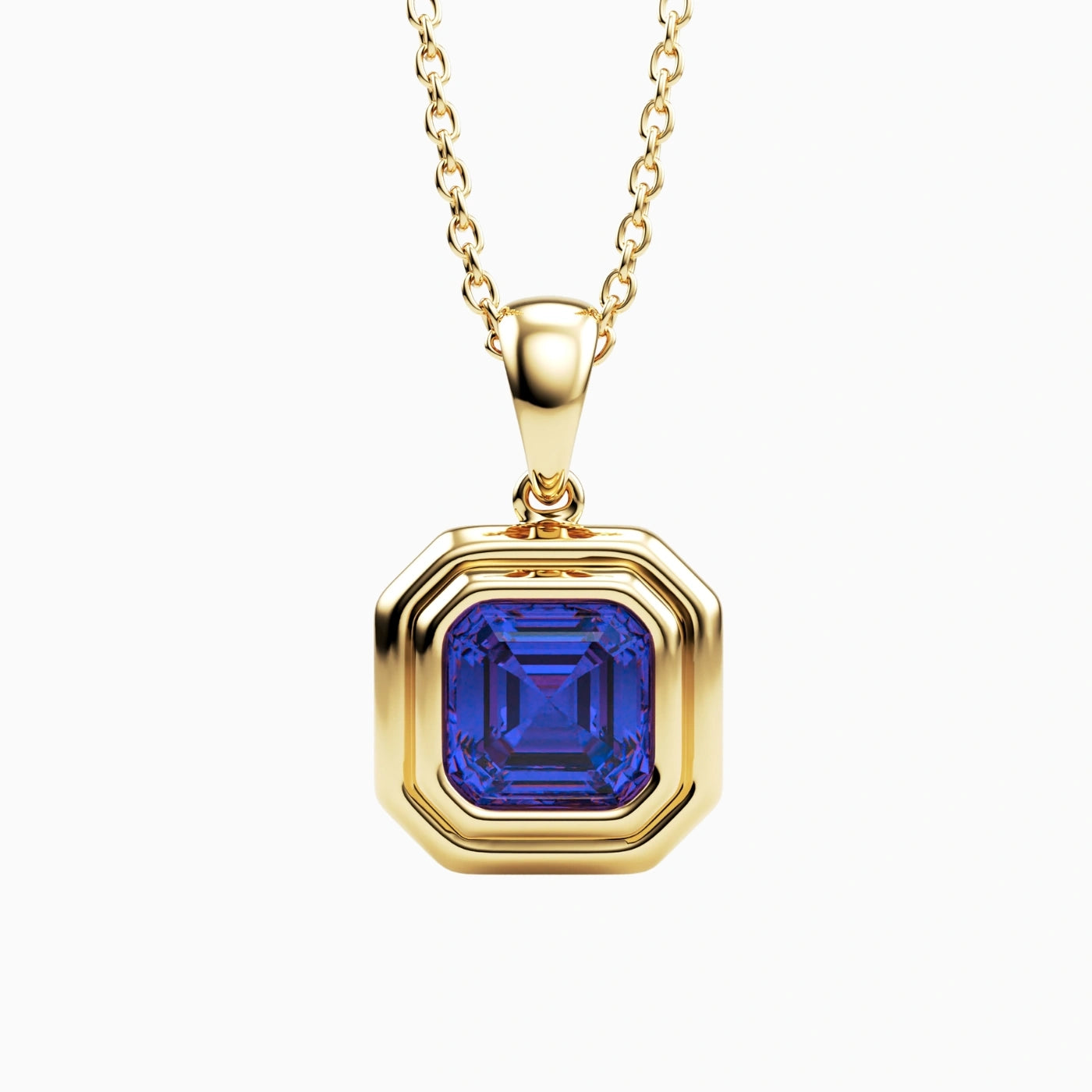
Each of these gemstones is popular for a different reason. Amethyst is loved for its rich violet tone, aquamarine for its clarity and soft, refined blue, lapis lazuli for its deep ultramarine colour against gold, and tanzanite for its distinctive blue-violet richness.
What to Look For
- Amethyst: Look for depth of colour, weaker tones can appear flat.
- Aquamarine: Should feel soft but still present, not washed out.
- Lapis Lazuli: Best when the blue is strong and saturated.
- Tanzanite: Known for shifting between blue and violet depending on the light.
Explore Further
If you’re drawn to lapis or amethyst, explore more in our guides: What Is Lapis Lazuli? and What Colour Is Amethyst?.

Gemstone Value Guide: What to Expect
Not all gemstones sit at the same price point — and more importantly, value isn’t just about the stone name. Colour quality, rarity, and how the stone is cut all play a bigger role than people expect.
| Gemstone | Typical Value Position | What Drives Value | What to Prioritise |
|---|---|---|---|
| Diamond | High to very high | Clarity, cut, carat, certification | Cut and overall appearance over specs |
| Sapphire | Mid to high | Colour depth, origin, treatment | Natural-looking colour in daylight |
| Emerald | High | Colour richness, origin, inclusions | Colour over clarity |
| Ruby | High to very high | True red tone, rarity, origin | Balanced colour, not overly dark |
| Tourmaline | Mid to high | Colour uniqueness, rarity | Distinctive tones (teal, bi-colour) |
| Turquoise | Low to high (varies widely) | Colour saturation, matrix, treatment | Rich, even colour |
| Tanzanite | Mid to high | Depth of blue-violet tone | Strong colour, not washed out |
| Aquamarine | Mid | Clarity, tone intensity | Colour presence (not too pale) |
| Amethyst | Low to mid | Colour saturation | Deep, even purple tone |
| Lapis Lazuli | Low to mid | Colour intensity, gold fleck balance | Strong ultramarine colour |
The key thing to understand is that value isn’t fixed by category. A well-chosen tourmaline or tanzanite can easily feel more special than a poorly selected “precious” stone. Colour and presence always win.
Choosing a Gemstone for a Bespoke Piece
Choosing a gemstone becomes very different when you’re creating something bespoke rather than buying something ready-made. It’s not just about what’s popular, it’s about how the stone works within the design, how it will be worn, and how it reflects the person it’s being created for.
At Argent + Asher, we work across all of these gemstones in bespoke designs, sourcing stones specifically for each piece rather than working from a fixed selection. That’s how you end up with something genuinely individual, the exact shade, tone, or personality you’re looking for.
Some of the most interesting pieces come from stones that sit slightly outside what people expect. Bi-colour tourmalines are a perfect example, two tones within one stone and they create something far more distinctive than a single-colour gem.
I also have a beautiful bi-colour ametrine at the moment that shifts between golden tones and soft violet depending on the light. Stones like that change the entire mood of a piece, less predictable, but much more personal.

Which Gemstone Should You Choose?
If you want maximum sparkle
Diamond is the obvious choice, and sapphire/ruby also perform beautifully when faceted.
If you want colour that feels like identity
Turquoise, lapis and tourmaline tend to feel personal fast — they’re chosen for presence rather than tradition.
If you want a stone that holds up in a ring
Diamond, sapphire and ruby are trusted choices for longevity, while other stones can work beautifully with protective setting design.
Popular Gemstones at a Glance
| Gemstone | Known For | Best For | What People Miss |
|---|---|---|---|
| Diamond | Brilliance | Everyday wear | Specs ≠ beauty |
| Sapphire | Depth + durability | Rings | Colour varies hugely |
| Emerald | Rich green | Statement | Inclusions are normal |
| Ruby | Bold red | Standout pieces | True red is rare |
| Turquoise | Opaque colour | Identity pieces | Quality varies massively |
| Tourmaline | Colour range | Unique jewellery | Bi-colour stones overlooked |
What People Get Wrong When Choosing a Gemstone
- Focusing on size instead of colour
- Assuming “precious” means better
- Trusting photos too much
- Ignoring how it will be worn
In reality, how a gemstone performs once set is what matters most.
Explore the Gemstone Guide Hub
If you’re comparing gemstones (or building a shortlist), the hub links to every guide in this cluster: Gemstones and Semi-Precious Stones: The Complete Guide.
Frequently Asked Questions About Popular Gemstones
What are the big 3 gemstones?
Ruby, sapphire and emerald are traditionally considered the “big three” coloured gemstones because of their history, value and popularity in fine jewellery.
What is the most popular gemstone?
Diamond is traditionally the most popular gemstone, especially for engagement and milestone jewellery. Today, coloured gemstones like sapphire, emerald, turquoise and tourmaline are increasingly popular for a more individual look.
What is the rarest gemstone?
Rarity depends on whether you mean the mineral itself or gem-quality material suitable for jewellery. In practice, the rarest gemstones are often specific colours and quality grades rather than the stone name alone.
Which gemstone is lucky?
“Lucky” gemstones vary by tradition, but stones like sapphire and turquoise are often associated with protection and good fortune. If you love the look and meaning, that tends to be the best reason to choose one.
What are the hardest gemstones?
Diamond is the hardest gemstone. Sapphire and ruby are also very hard and are popular choices for everyday jewellery because they hold up well to wear.
Which gemstones are best for jewellery?
The best gemstones for jewellery depend on how you will wear the piece. For rings and everyday wear, harder stones like diamond, sapphire and ruby are common choices, while other gemstones can be perfect when chosen with the right setting and design.
How do I choose the right gemstone for a ring or necklace?
Start with the role of the piece: everyday wear vs occasional, subtle vs bold, and meaning vs pure sparkle. Then consider durability, treatment transparency, and how the gemstone looks once set in gold.
The most popular gemstones aren’t just popular because of tradition, they’re chosen because they work. The key is understanding what each stone actually does once it becomes jewellery.