Is a diamond a gemstone? Yes, but understanding how gemstones are classified is what actually helps you choose well. This guide breaks down what qualifies as a gemstone, the traditional “precious” category, and why the labels don’t always reflect value or quality in modern jewellery.
Is a Diamond a Gemstone?
Yes, but the more useful question is how gemstones are classified, what the different types of gemstones actually are, and where pearls and the rarest gemstone fit in.

Key Takeaways
- Yes, a diamond is a gemstone It is one specific type of gemstone, not a separate category from gemstones altogether.
- Gemstone is the category, diamond is one example Precious stones and semi precious gemstones both sit inside the wider gemstone family.
- The 4 precious gemstones are historical, not a value rule Diamond, ruby, sapphire and emerald earned that label generations ago; it does not make every other gemstone lesser.
- Pearls are gemstones too They are organic rather than mineral, which changes how they should be worn and cared for.
- The rarest gemstone depends on your definition Rarity of the mineral itself is different from rarity of gem-quality material you can actually wear.
In This Guide
- Chapter I Types of Gemstones Explained, what qualifies and where diamond fits
- Chapter II The 4 Precious Gemstones, and Other Lists, precious stones, semi precious gemstones and cultural lists
- Chapter III Pearls, Rarity and Buying With Confidence, organic gemstones and the rarest gemstone question
- The Verdict Choosing a Gemstone on Its Own Merits
In practice, gemstone is a broad category, and diamond is one specific gemstone within it. Once you understand that difference, it becomes much easier to compare a diamond gemstone with coloured precious stones, and to buy with confidence.
If you are exploring gemstones more widely, our hub guide pulls everything together here: Gemstones and Semi-Precious Stones: The Complete Guide.
Types of Gemstones Explained
Are Diamonds Considered Gemstones?
Yes. Diamonds are gemstones because they are naturally occurring minerals that are cut and polished for jewellery. Diamond is simply one type of gemstone, a particularly famous one because of its hardness and cultural significance.
In fine jewellery terms, diamond is often treated as the default, but it is not the only stone that creates a high end result. In design work, the best pieces come from choosing the right stone for the role it needs to play, sometimes that is diamond brilliance, and sometimes it is colour depth, turquoise, teal tourmaline, sapphire, emerald, that makes the piece feel personal and intentional.
What Qualifies as a Gemstone?
A gemstone is a natural material that is cut and polished for use in jewellery or decorative objects. Most gemstones are minerals, formed by geological processes, but some are organic, meaning they come from living organisms.
Mineral gemstones include diamond, ruby, sapphire, emerald, tourmaline, aquamarine, topaz, tanzanite, amethyst and many more. Their desirability is driven by colour, durability, clarity, rarity, and how the cut makes them perform in light. Organic gemstones are less common; pearls are the most recognisable example. They are not minerals, but they are still commonly classed as gemstones in jewellery, and they need different care and design consideration than mineral stones.
Is a Diamond the Same as a Gemstone?
Not exactly. Gemstone is the category. Diamond is one gemstone inside that category. It is the same idea as car and Range Rover, one is the group, one is a specific example.

The 4 Precious Gemstones, and Other Lists
What Are the 4 Precious Gemstones?
When people ask what the 4 gemstones are, they usually mean the traditional precious four:
- Diamond
- Ruby
- Sapphire
- Emerald
This is a historical classification rather than a modern value rule. In jewellery today, it is completely possible for a semi precious gemstone to be rarer, more visually striking, or even more expensive than a lower grade precious stone. If you want the clearest explanation of that outdated label, this guide helps: What Are Semi-Precious Stones? Meaning, Examples and Value Explained.

The 9 Gemstones, 12 Precious Gemstones, and 12 Sacred Stones
You will see the 9 gemstones or the 12 precious gemstones mentioned online, but there is not one universal list. These lists vary depending on cultural tradition, religion, astrology, and sometimes pure marketing.
If you are choosing a gemstone for jewellery, the practical approach is to focus on the stone's real world qualities: how durable it is for the piece you want, whether treatments are clearly disclosed, and whether the setting design protects the stone properly.
Pearls, Rarity and Buying With Confidence
Are Pearls Classed as Gemstones?
Yes. Pearls are commonly classed as gemstones, even though they are organic rather than mineral. They are formed within molluscs, which makes them very different in composition and care needs to a mineral gemstone like sapphire or diamond, and better suited to certain lifestyles and styling choices than everyday wear.
What Is the Rarest Gemstone?
Rarest is tricky because it depends on what you mean. Some minerals are extremely rare in nature, but rarely appear in jewellery because gem quality material is not available or not suitable for setting. Other stones are more common as minerals, yet rare in truly fine, wearable quality.
From a jewellery perspective, what usually matters most is the rarity of the specific colour and quality you can actually buy. This is why certain tones, especially in stones like tourmaline, can feel so collectable when the saturation is right.
How to Think About Gemstones When Choosing Jewellery
When choosing a gemstone, whether for yourself or when selecting stones for Argent & Asher pieces, classification is the least important part. What matters is what the stone needs to do in the design.
Colour in real light matters more than studio perfection. Some stones photograph beautifully but fall flat in everyday light. The stones worth choosing hold depth and presence naturally, turquoise is a perfect example when it is well chosen, and teal tourmaline has a balance that feels modern without being loud.
Durability and setting design decide longevity. The same gemstone can be a smart choice or a frustrating choice depending on the setting. Protective design is a quality signal in fine jewellery, and it is one of the clearest markers of whether a jeweller truly understands gemstones.
Treatments should be explained clearly. Treatments are not automatically bad, but they should be disclosed. The best buying experiences are the ones where you understand exactly what you are getting, rather than decoding vague language after the fact.

Choosing a Gemstone on Its Own Merits
Once you understand that diamond is a gemstone, and that gemstone is the wider category covering every precious stone, semi precious gemstone and organic gem, you can choose based on what you actually want the piece to say. That is where the best jewellery decisions come from.
If you are comparing gemstones, diamond included, our hub guide links to every key topic and stone: Gemstones and Semi-Precious Stones: The Complete Guide. You may also like What Are the Most Popular Gemstones? and What Is a Blue Gemstone Called?
Frequently Asked Questions About Diamonds and Gemstones
Are diamonds considered gemstones?
Yes. Diamonds are gemstones because they are naturally occurring minerals that are cut and polished for use in jewellery. Diamond is one specific type of gemstone.
Is a diamond the same as a gemstone?
A diamond is not the same as a gemstone in the broad sense, it is one type of gemstone. Gemstone is the category; diamond is a specific gemstone within it.
What qualifies as a gemstone?
A gemstone is a natural material, usually a mineral and sometimes organic, that is cut and polished for use in jewellery or decorative objects. Desirability comes from colour, durability, rarity, and how the stone performs once set.
What are the 4 precious gemstones?
The traditional precious four gemstones are diamond, ruby, sapphire and emerald. This is a historical classification and does not automatically mean other gemstones are less valuable.
Are pearls classed as gemstones?
Yes. Pearls are commonly classed as gemstones, specifically organic gems, even though they are not minerals. They behave differently from mineral gemstones, so care and wear guidance matters.
What is the rarest gemstone?
Rarest depends on what you mean: rarity of the mineral species, or rarity of gem quality material that is suitable for jewellery. Some stones are extremely rare as minerals, while others are uncommon in fine, wearable quality. If you are buying jewellery, focus on the rarity of the colour and quality you actually see in the finished piece.
What are the 9 gemstones?
There is not one universal list of the 9 gemstones. Different traditions and sources use different sets. If you see a list online, treat it as cultural or historical context rather than an official jewellery standard.
What are the 12 precious gemstones?
There is not a single official list of 12 precious gemstones. The most established historical grouping is the four precious stones: diamond, ruby, sapphire and emerald. Larger numbered lists vary by tradition, marketing, or cultural references.
What are the 12 sacred stones?
12 sacred stones usually refers to religious or cultural traditions rather than gem classification used in modern fine jewellery. Lists vary. If you are choosing jewellery, it is best to focus on the stone's durability, treatment disclosure, and setting design.
What is the king of all gemstones?
There is no official king of all gemstones. Some people call diamond the king due to hardness, while others use the term for stones prized for colour and rarity. In fine jewellery, the best gemstone is the one that suits the design, lifestyle, and visual result you want.

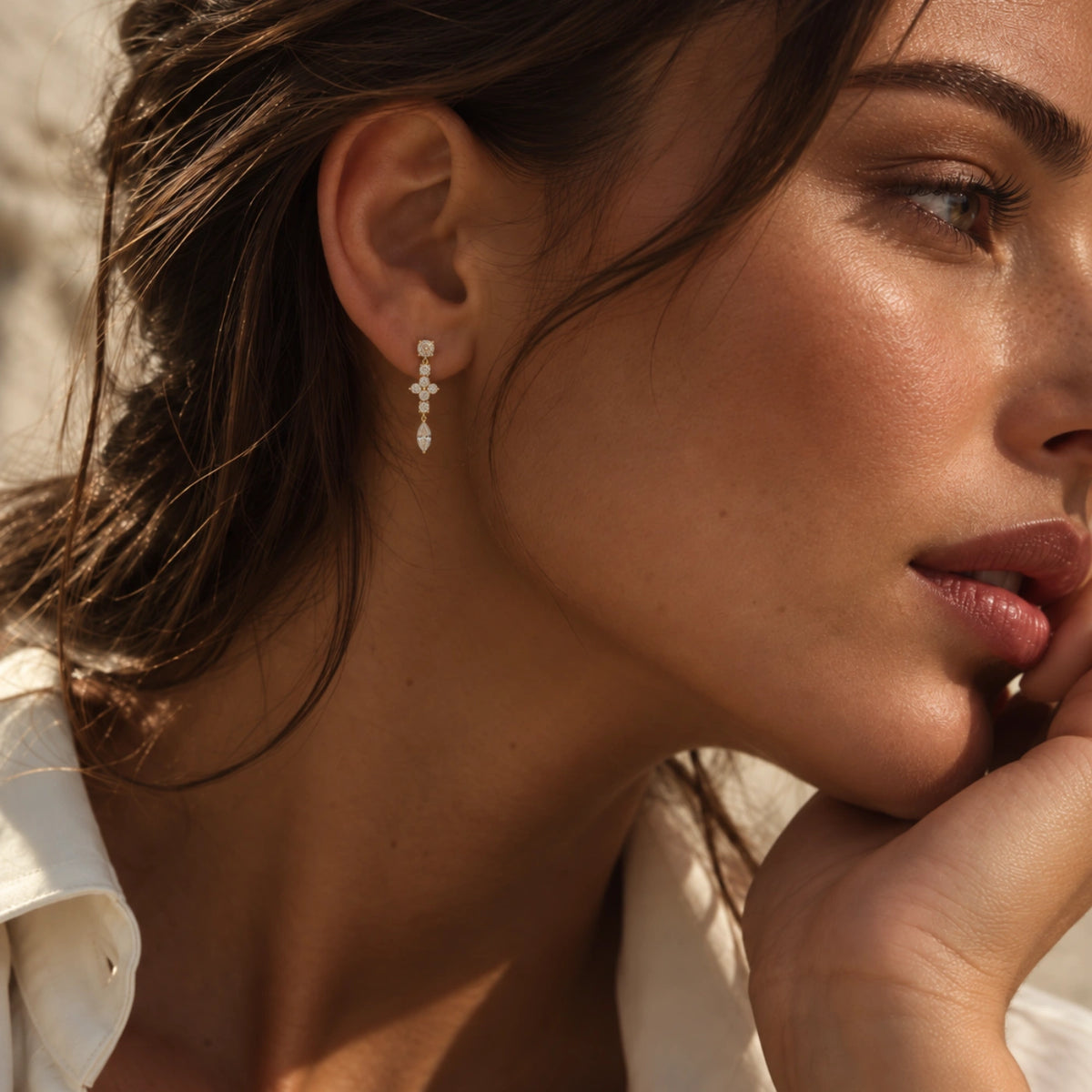
Diamond Drop Earrings
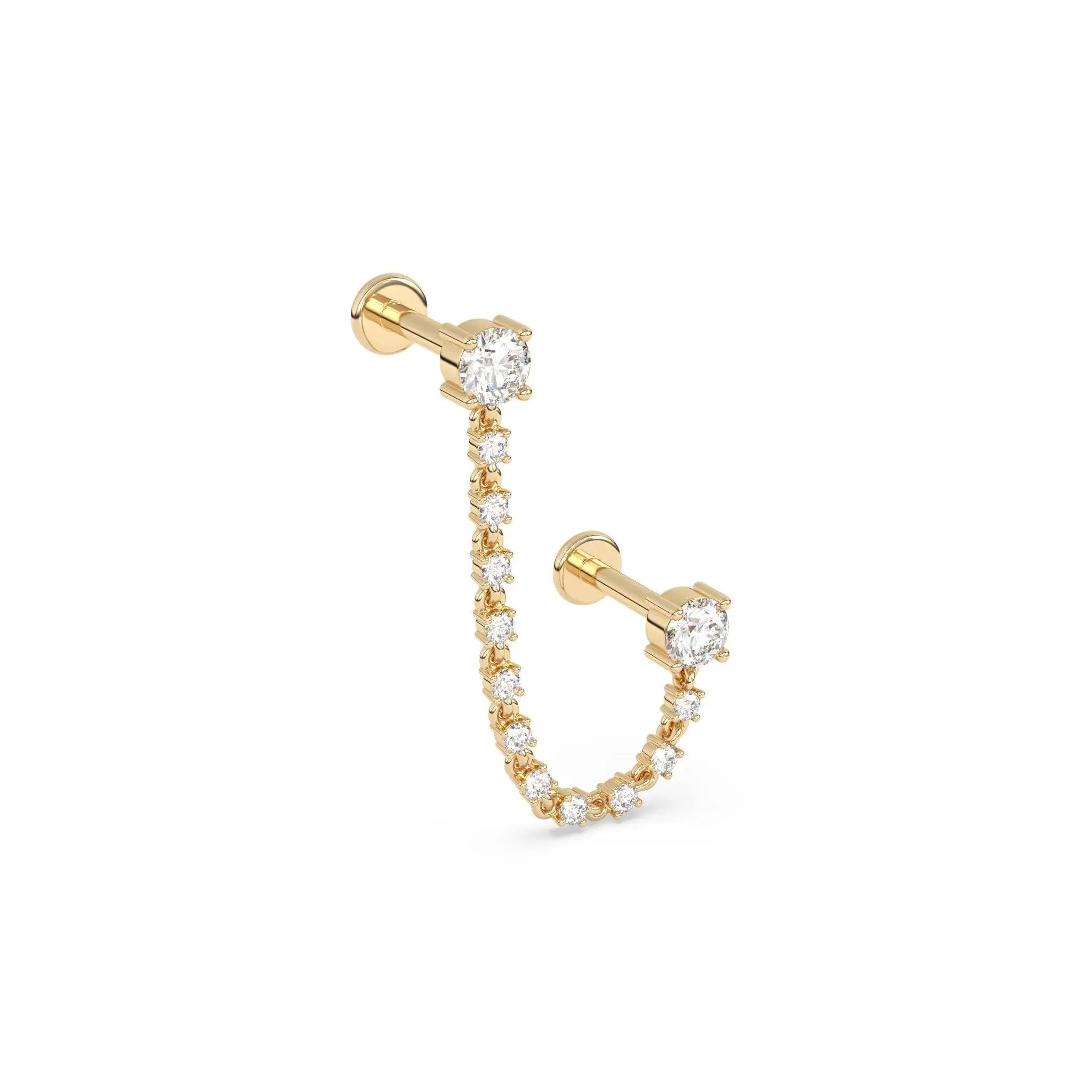

Diamond Ear Chain

Written by Katie Silver