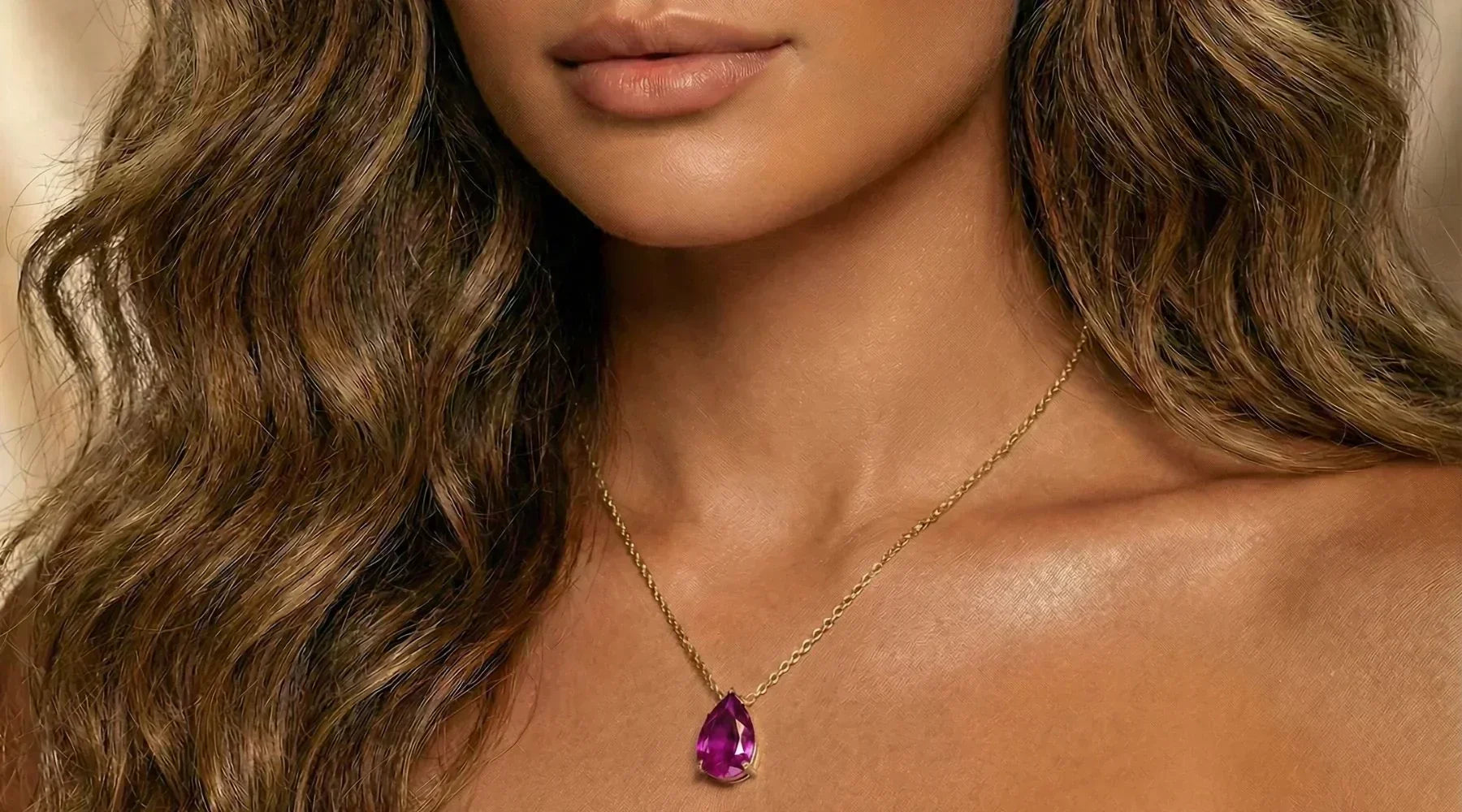
Ruby gemstones have been prized for centuries for their vivid red colour and rarity. Learn what determines ruby price, how origin affects value, and how to choose a ruby for jewellery.
Ruby gemstones are among the most prized coloured gemstones in fine jewellery. Known for vivid red colour and exceptional durability, ruby has been worn by royalty and collectors for centuries.
If you want the full picture on coloured gemstones, gemstone value and how different stones compare, start with the hub: Gemstones and Semi-Precious Stones: The Complete Guide.
But not all rubies are equal. The price and value of a ruby gemstone depend on colour saturation, origin, clarity and the way the stone is cut.
In jewellery design, the difference between a flat, dark ruby and one with vivid colour and life is enormous. Once a ruby is set into gold, the quality of the colour becomes immediately visible.

What Is a Ruby Gemstone?
Ruby is one of the most recognised coloured gemstones in fine jewellery. It belongs to the mineral family corundum, the same family as sapphire. The only difference between ruby and sapphire is colour. When corundum forms with chromium present, the result is the deep red tones that define a ruby gemstone.
Because of its exceptional hardness, ruby is one of the most durable coloured gemstones used in jewellery. This makes it particularly well suited to rings and pieces worn regularly, where the stone needs to hold its structure and colour over time.
- Mineral family: Corundum
- Colour source: Chromium
- Hardness: 9 on the Mohs scale
- Typical jewellery: Ruby rings, ruby necklaces and coloured gemstone jewellery
This durability is one reason ruby has remained a favourite gemstone for centuries. When chosen well, a ruby gemstone can bring strong colour and presence to a piece of jewellery, particularly when paired with yellow gold or used as the focal point of a design.
Ruby Colour: The Most Important Value Factor
When assessing a ruby gemstone, colour is the most important factor influencing its value. The finest rubies display strong red tones with vivid saturation and a balanced brightness that allows the colour to remain lively once the stone is set into jewellery.
You may hear the term "pigeon blood ruby" used to describe the most valuable stones. Traditionally associated with Burmese rubies, this refers to a vivid red colour with slight fluorescence that gives the gemstone exceptional vibrancy.
However, colour in ruby gemstones exists on a spectrum. Some stones appear darker and more opaque, while others lean slightly pink. In jewellery design, stones that are too dark can lose their presence once set, particularly in rings where light is more limited.
Personally, I’m often drawn to rubies that lean slightly pink rather than overly dark tones. They tend to feel fresher and more vibrant in jewellery, and the colour can interact beautifully with yellow gold.
Ultimately, the best ruby gemstones are those where the colour remains vivid and alive once the stone is worn, rather than appearing flat or overly dark.

Ruby Origin: Where the Best Rubies Come From
The origin of a ruby gemstone can influence both its value and how the colour appears once the stone is cut. While ruby deposits exist in several parts of the world, certain regions are historically known for producing exceptional stones.
Among collectors and jewellers, Burmese rubies from Myanmar are often considered the most desirable. These stones are known for their vivid red colour and natural fluorescence, which gives them a distinctive brightness.
| Origin | Characteristics |
|---|---|
| Myanmar (Burma) | Historically the most prized rubies, often displaying vivid red colour and strong fluorescence. |
| Mozambique | A major modern source of ruby gemstones, often producing stones with strong colour and good clarity. |
| Thailand | Known for darker-toned rubies, historically an important trading centre for ruby cutting. |
| Madagascar | Produces a range of ruby qualities, from lighter pink tones to deeper reds. |
Today, many high-quality ruby gemstones used in fine jewellery come from Mozambique, while Burmese rubies remain among the most sought-after for collectors and high jewellery pieces.
Ruby Price: What Determines Ruby Value?
Ruby gemstone prices can vary dramatically depending on quality. Two rubies of the same size may have completely different values depending on colour saturation, clarity and how well the stone has been cut.
In fine jewellery, colour remains the most important factor. A smaller ruby with vivid colour and strong saturation will usually be more valuable than a larger stone with weak or overly dark tone.
| Value Factor | Why It Matters |
|---|---|
| Colour | The most important factor. Vivid red colour with strong saturation commands the highest prices. |
| Saturation | Highly saturated rubies appear more vibrant and lively once set in jewellery. |
| Clarity | Most rubies contain inclusions, but stones with fewer visible inclusions are typically more valuable. |
| Cut | A well-cut ruby reflects light evenly and helps the colour appear stronger and more balanced. |
| Origin | Certain origins, particularly Myanmar (Burma), are historically associated with the most valuable rubies. |
| Treatment | Most rubies are heat treated to enhance colour and clarity. Untreated stones are rarer and more valuable. |
When choosing a ruby for jewellery, colour and life in the stone should always take priority over size. A vivid ruby with strong saturation will almost always create a more striking piece than a larger stone with dull colour.
Ruby Treatments Explained
Most ruby gemstones on the market have undergone some form of treatment. These treatments are widely accepted in the gemstone industry and are typically used to improve colour or clarity. In reality, untreated rubies are extremely rare and usually reserved for the highest levels of fine jewellery and collectors.
The most common treatment applied to ruby gemstones is heat treatment. Heating the stone at high temperatures can enhance the natural red colour and reduce the visibility of inclusions without fundamentally altering the gemstone itself.
- Heat treatment: The most common and widely accepted method used to improve colour and clarity.
- Glass-filled rubies: Lower-quality stones that have been treated to fill fractures and improve appearance.
- Untreated rubies: Extremely rare and often significantly more expensive.
When choosing ruby jewellery, transparency around treatments is important. A beautifully coloured ruby that has been responsibly heat treated can still create an exceptional piece of gemstone jewellery, particularly when the colour remains vivid once the stone is set.
Ruby vs Other Red Gemstones
Ruby is the most famous red gemstone, but it isn’t the only one. Garnet and spinel are also commonly used in jewellery and can sometimes appear similar at first glance. Understanding the differences between these stones helps you choose the right gemstone for the piece you want to create.
What separates ruby from other red gemstones is its combination of colour intensity, durability and rarity. Ruby belongs to the corundum family (the same mineral as sapphire), which makes it one of the hardest gemstones used in jewellery.
| Gemstone | Colour Appearance | Durability | Typical Use |
|---|---|---|---|
| Ruby | Vivid red to pink-red with strong saturation | Very durable (Mohs 9) | Fine jewellery, rings, heirloom pieces |
| Spinel | Bright red, sometimes slightly pink or orange | Durable (Mohs 8) | Fine jewellery and collector stones |
| Garnet | Deep red, often darker or brownish | Moderate durability (Mohs 6.5–7.5) | Everyday jewellery and statement pieces |
For jewellery that will be worn frequently, ruby remains one of the strongest choices because of its durability and colour stability. Its vivid red tone also holds exceptionally well once set in gold, which is why ruby has been used in royal jewellery and historic gemstone collections for centuries.
Ruby Jewellery: Rings, Necklaces and Bespoke Designs
Ruby has been used in fine jewellery for centuries because the colour remains powerful once the stone is set. Whether used in rings, necklaces or more elaborate designs, ruby brings a depth of colour that immediately stands out against gold.
Ruby rings are particularly popular because the stone is highly durable. As part of the corundum family, ruby sits just below diamond in hardness, which makes it suitable for jewellery worn regularly. This is why ruby is often chosen for engagement rings, statement rings and heirloom-style pieces.
Ruby necklaces offer a different kind of impact. A ruby pendant or heart-shaped design creates a strong focal point while allowing the colour of the stone to take centre stage. The contrast between ruby and yellow gold is particularly striking, although rubies can also sit beautifully in white or rose gold depending on the tone of the stone.
At Argent + Asher, ruby jewellery is often created through bespoke designs. Rather than choosing from a fixed stone selection, gemstones can be sourced specifically for the piece, allowing the colour, size and overall feel of the ruby to match the design perfectly.
If you're exploring ruby jewellery or other coloured gemstones, you can browse our Gemstone Jewellery collection or start a bespoke design to create a piece around a stone chosen specifically for you.
How to Choose a Ruby Gemstone
Choosing a ruby gemstone comes down to understanding how colour, cut and clarity work together once the stone is set in jewellery. Unlike diamonds, where brilliance is the main focus, ruby is valued primarily for the richness and intensity of its colour.
When selecting a ruby for a ring, necklace or bespoke piece, the most important factor is usually colour saturation. A vivid ruby with strong colour will almost always look more striking than a larger stone with weaker tone.
- Colour: Look for vivid red or pink-red tones with strong saturation.
- Cut: A well-cut ruby distributes colour evenly and reflects light across the surface.
- Clarity: Most rubies contain inclusions, but the best stones keep them subtle and unobtrusive.
- Treatment: Heat treatment is common and widely accepted in fine jewellery.
- Origin: Rubies from Myanmar (Burma) are historically the most famous, though beautiful stones come from many regions.
Ultimately, the best ruby is the one whose colour remains vivid once the stone is set and worn. When chosen well, ruby jewellery carries a depth of colour that few gemstones can match.
Frequently Asked Questions About Ruby Gemstones
What determines ruby price?
Ruby price is determined by colour, saturation, clarity, cut and origin. Stones with vivid red colour and strong saturation are typically the most valuable.
What colour ruby is most valuable?
The most valuable rubies display vivid red colour with strong saturation and balanced tone. Stones that appear overly dark or overly pink usually have lower value.
Are Burmese rubies the best?
Rubies from Myanmar (formerly Burma) are historically famous for their vivid colour and rarity. However, beautiful rubies are also sourced from Mozambique, Thailand and other regions.
Are rubies good for rings?
Yes. Ruby belongs to the corundum family and ranks 9 on the Mohs hardness scale, making it one of the most durable gemstones used in fine jewellery.
What is the difference between ruby and garnet?
Ruby is a variety of corundum and is harder and rarer than garnet. Garnet often appears darker and typically has lower durability compared with ruby.
If you're comparing ruby with other coloured gemstones, explore our Gemstone Jewellery collection or begin a bespoke design to create a piece around a ruby chosen specifically for you.
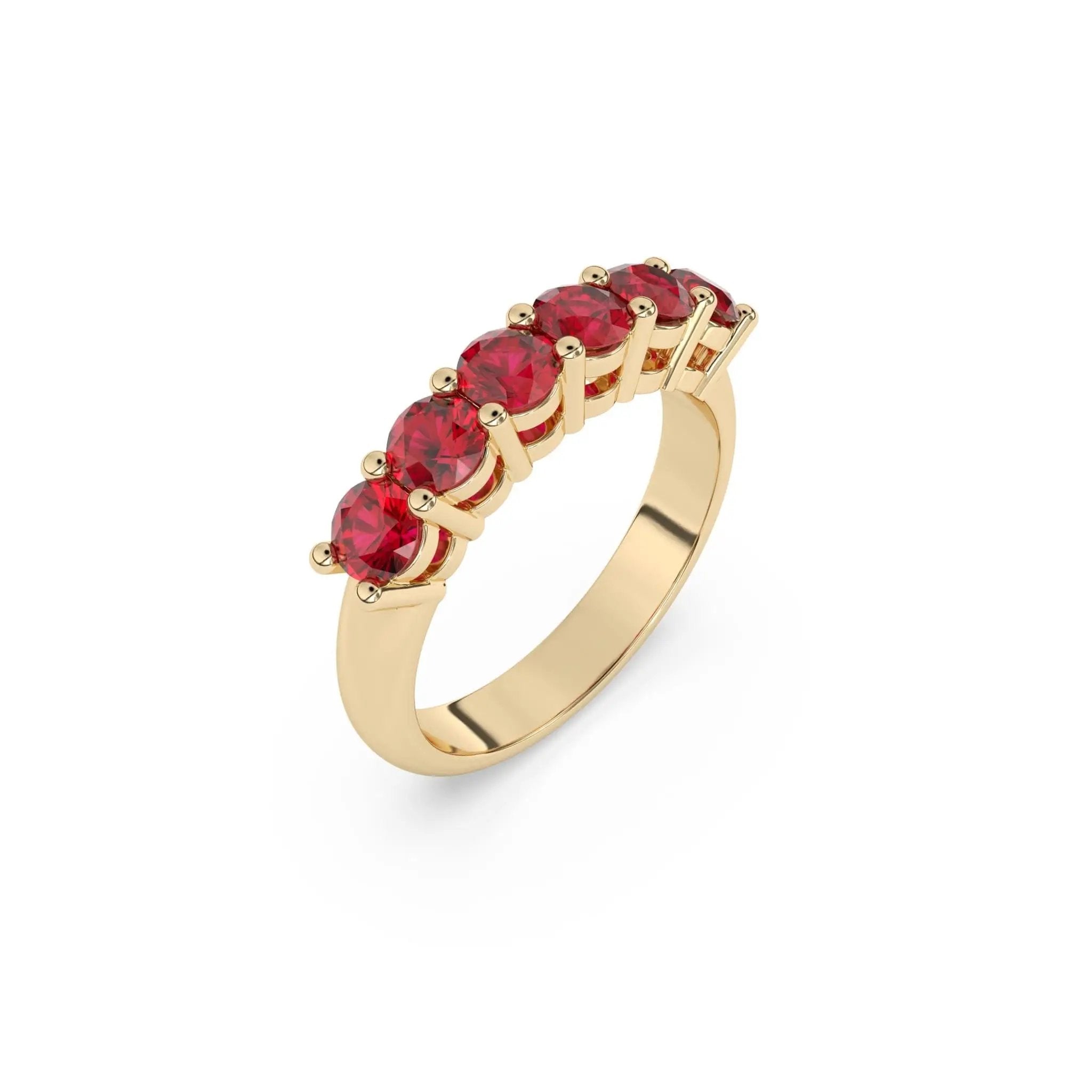
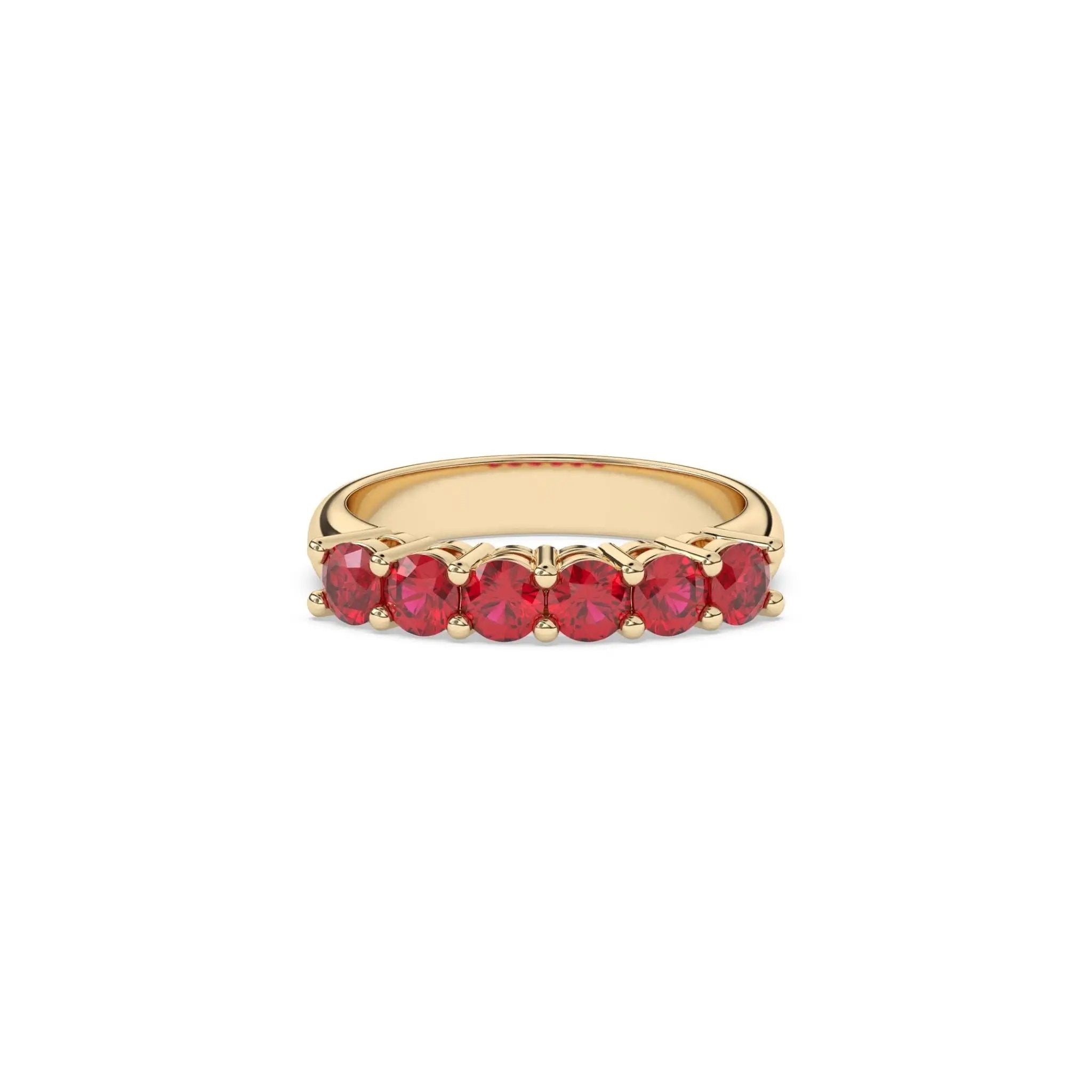
Ruby Six Stone Ring
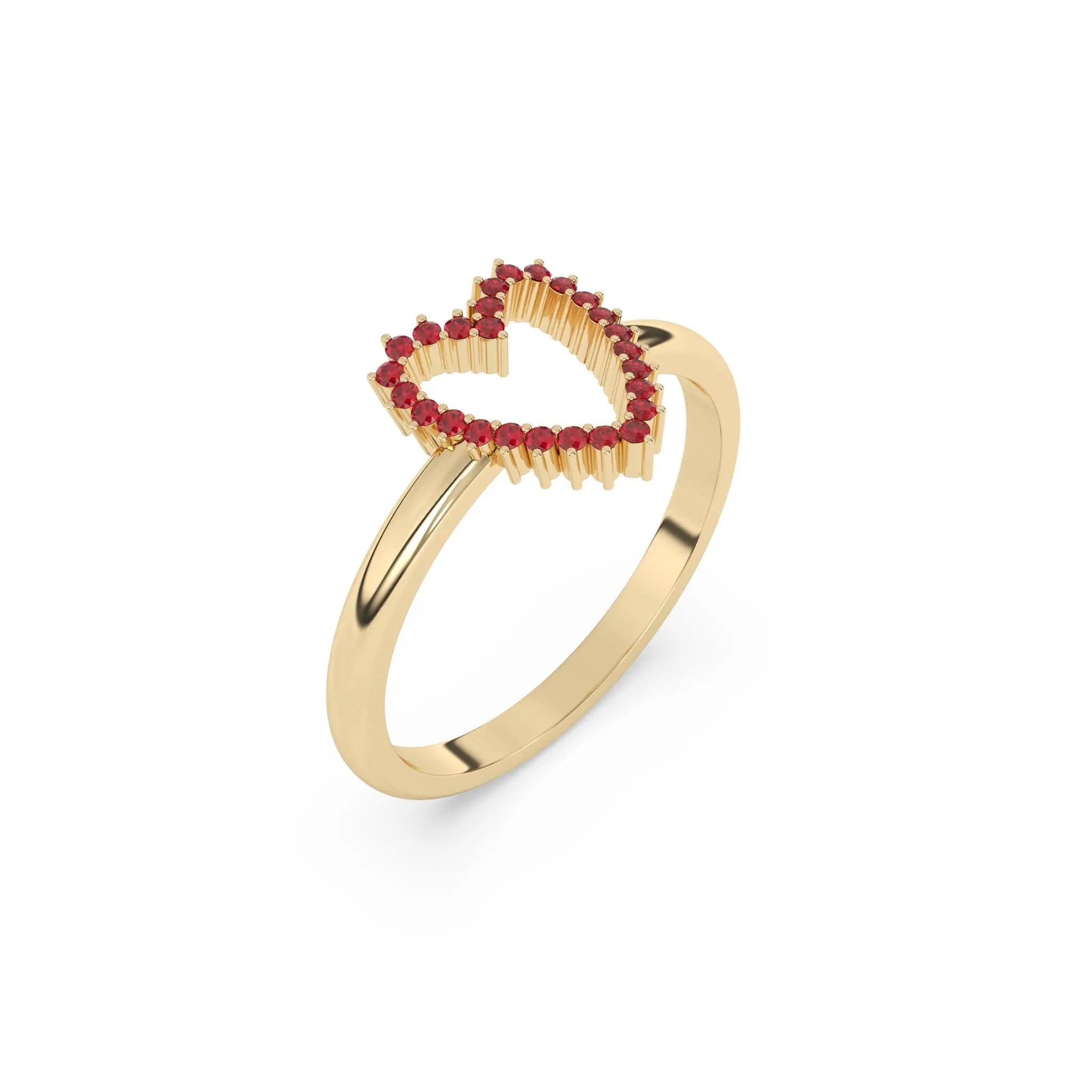
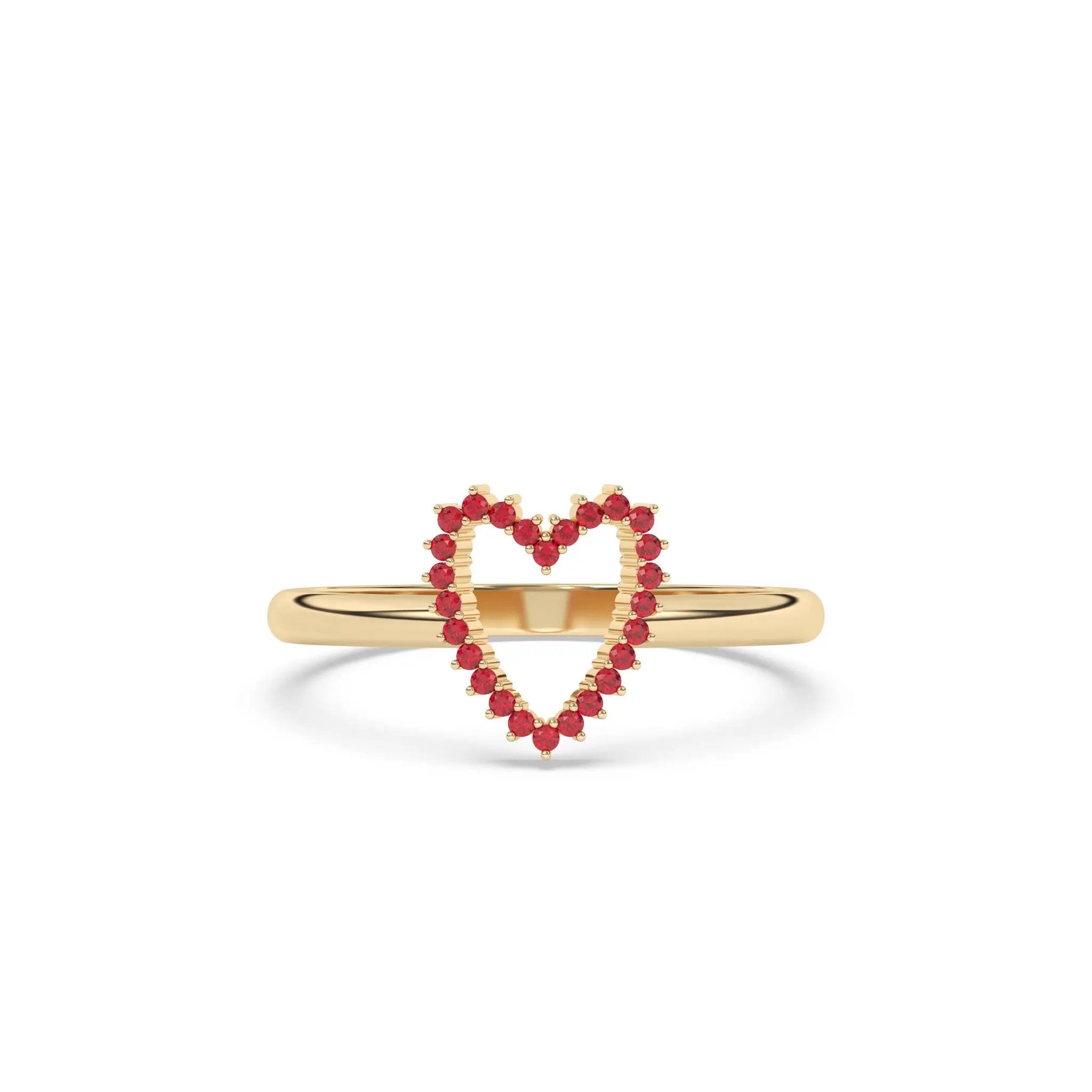
Ruby Open Heart Ring

Written by Katie Silver