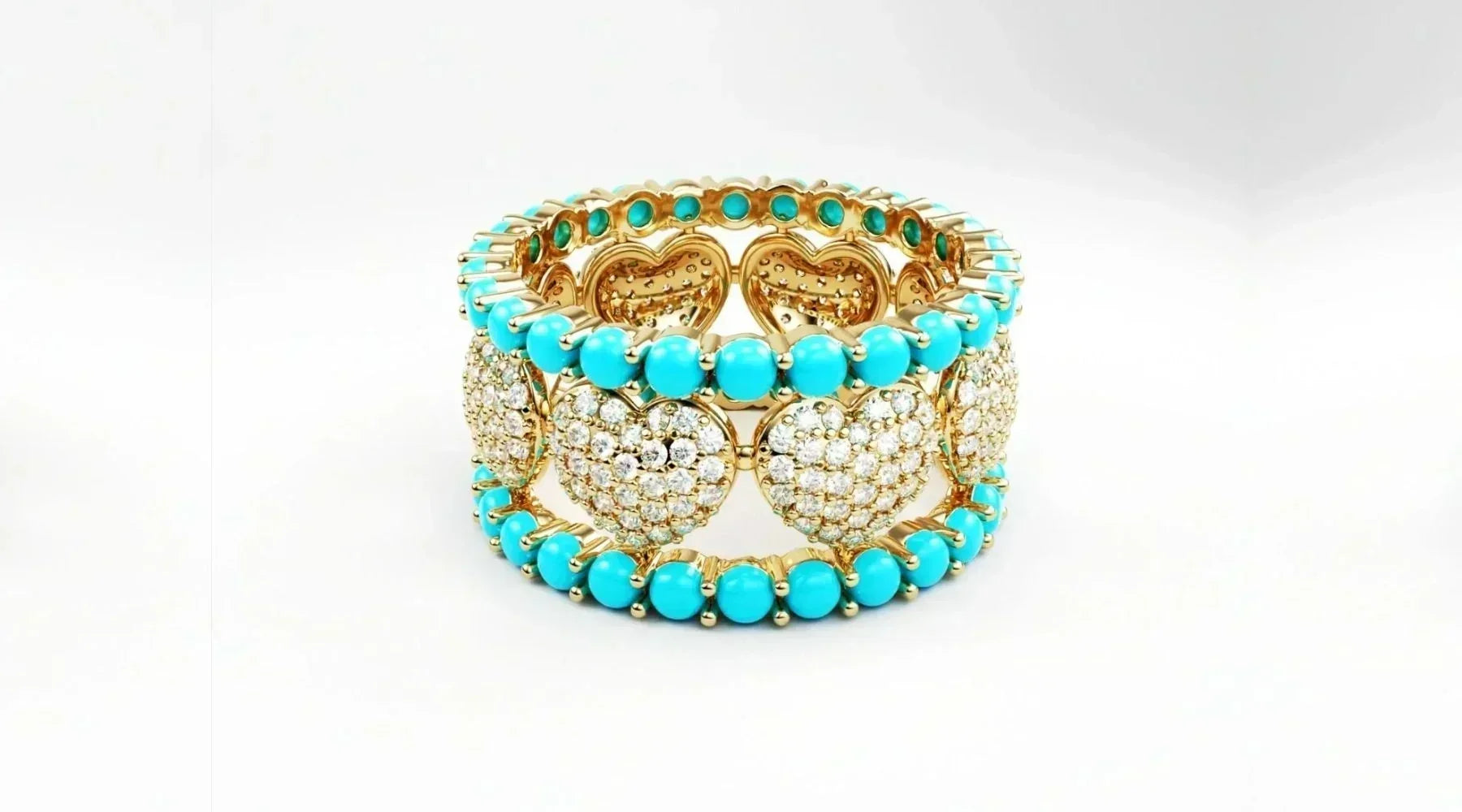
Article: Which Name Necklace Material Is Best: Gold, Silver or Gold-Plated?
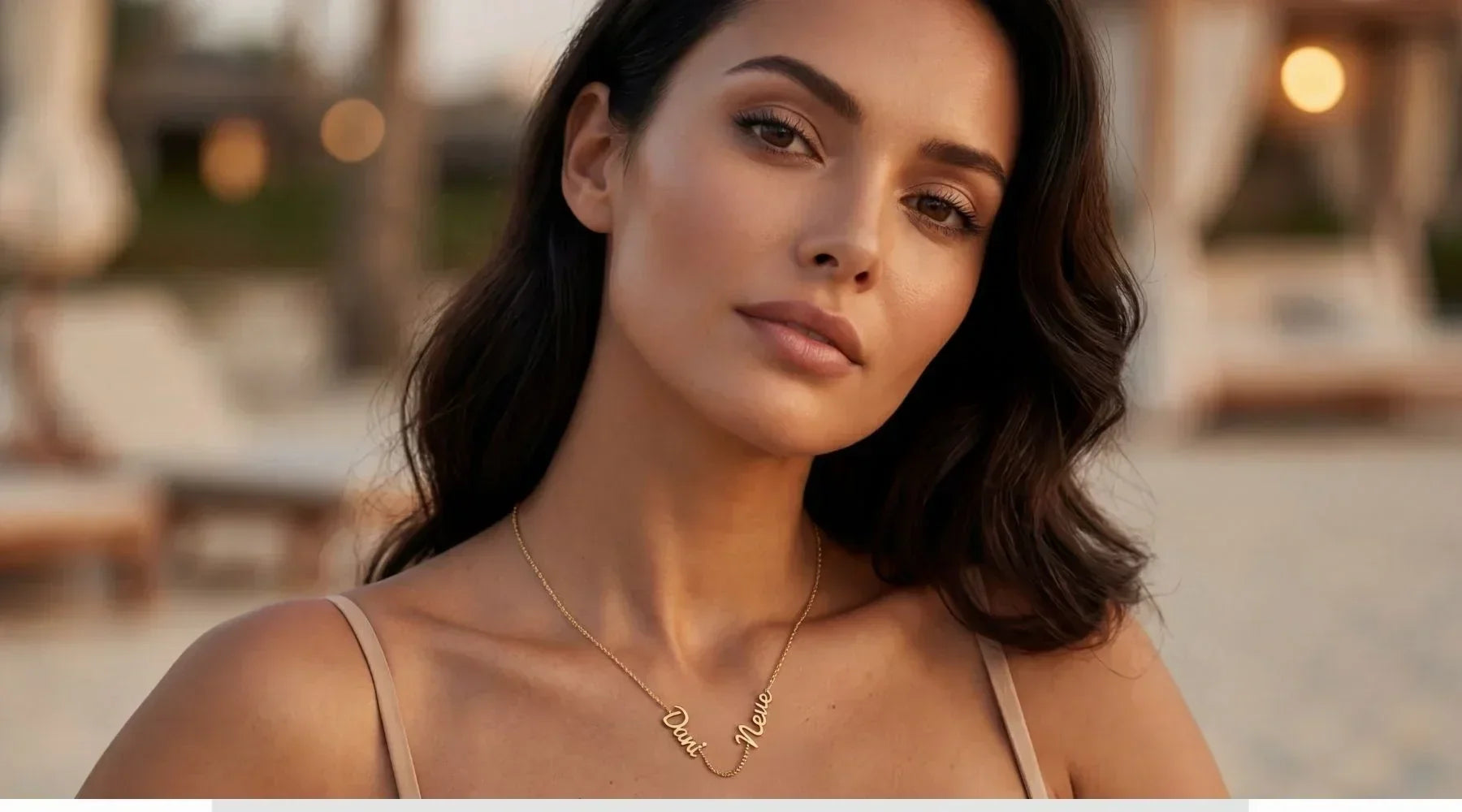
Solid gold, sterling silver or gold-plated: the right metal for your name necklace depends on how you'll actually wear it, not just how it looks in a photo.
Which Name Necklace Material Is Best: Gold, Silver or Gold-Plated?
Solid gold, sterling silver or gold-plated: the right metal for your name necklace depends on how you'll actually wear it, not just how it looks in a photo.

Key Takeaways
- Solid gold wins for everyday wear Higher upfront cost, but built to last and far easier to repair over the years than a plated piece.
- Silver is the practical middle ground 92.5% pure, tarnishes but cleans up easily, well suited to regular or occasional wear.
- Gold-plated suits light, budget wear The gold layer erodes with daily contact, sweat and perfume, so lifespan depends heavily on care.
- Delicate details need sturdy metal Fine script and chain-attachment joints absorb the most daily wear and tear on a name necklace.
- UK hallmarks are your proof Any gold item over 1g legally needs a sponsor's mark, fineness mark and Assay Office stamp.
- Cost per wear beats sticker price A cheap piece needing repeated replating often costs more over time than one solid piece bought once.
- Skin sensitivity starts with the alloy Plated jewellery risks exposing the base metal underneath as the surface layer wears away.
In This Guide
- Chapter I Choosing Your Metal — solid gold, silver or gold-plated, and why 2026 buyers want pieces built to last.
- Chapter II Understanding Each Material — what solid gold, sterling silver and gold-plated actually mean.
- Chapter III Buying Smart — reading past the polish: social media, celebrity pieces, sensitive skin and cost per wear.
- Chapter IV Making Your Decision — how to match the metal to how you'll actually wear it.
Choosing Your Metal
Solid Gold, Silver or Gold-Plated: Which Is Best?
Solid gold is by far the most reliable choice if this is going to be an everyday signature piece. Silver offers a lovely cool finish for less cash, while gold-plated designs are better suited to lighter use.
| Material | Best For | Main Consideration |
|---|---|---|
| Solid gold | Everyday, long-term wear | Higher upfront cost |
| Sterling silver | Lower-cost regular or occasional wear | Tarnishes and needs cleaning |
| Gold-plated | Occasional or budget-conscious wear | Gold layer can wear away |
Tastes vary, of course, but for a meaningful personalised keepsake, daily durability matters much more than simple aesthetic colour.

Why Material Matters More for a Name Necklace
Name necklaces are inherently delicate because of how they are constructed. All those little curves, letter joints, and chain attachment loops absorb a surprising amount of daily wear and tear. Fine script is especially prone to bending if it catches on a jumper, whereas a thicker plate stays rigid.
The trickiest bit? Replacing a bespoke piece isn't simple. Since it is custom-made for you, a broken pendant may start the manufacturing process all over again. Choosing a sturdy metal and a practical thickness from day one simply saves you a massive headache later down the line.
The 2026 Shift from Disposable to Meaningful Jewellery
British Vogue's December 2025 trends report called it early: 2026 is all about buying fewer but more substantial pieces, crafted to last. Trade data from Retail Jeweller and Weston Beamor back this up, with 77% of UK jewellers and retailers seeing personalisation as huge this year and one in five shoppers hunting for meaningful keepsakes.
If you're investing in a custom necklace to wear for years, picking the right metal and solid build matters just as much as how it looks.
Understanding Each Material
What Is a Solid-Gold Name Necklace?
Solid gold jewellery uses the exact same gold mixture from front to back. You won't find many daily items made of pure 24ct gold, though; on its own, it's simply too pliable to survive constant wear. Blending in copper, silver, or zinc supplies the necessary strength. Most British jewellers focus on 9ct, 14ct, and 18ct.
When selecting a custom name necklace, never rely solely on appearance; check the specific carat and fineness. Legally required UK hallmarks, comprising a sponsor's mark, fineness mark, and Assay Office stamp, provide reliable, independent verification of the gold content.
Is Sterling Silver Suitable for a Name Necklace?
Yes, sterling silver is a lovely, practical choice. Because it is blended with 92.5% silver for extra toughness, it handles daily life really well. It does tarnish, but that can be fixed with standard silver cleaner. Just bear in mind that very fine script needs gentle handling, especially around those tiny joints where the chain attaches to the name.
What Does Gold-Plated Actually Mean?
Unlike solid gold, gold-plated jewellery layers gold over base metal, while vermeil coats sterling silver and gold-filled uses a heavy bonded layer. The base metal matters if you have sensitive skin. Daily wear, sweat, and perfumes naturally erode the outer layer over time. Lifespans vary enormously depending on care, but some pieces can be successfully replated.
Buying Smart
What Social-Media Product Photos Often Fail to Show

Social media posts love a high-shine angle. A polished Instagram clip shows off the design beautifully, but it won't tell you how sturdy the piece is or what metal sits under that sparkle.
When shopping online, look past the initial polish. Look for videos online and check the back of the pendant and inspect where the chain connects. Pay attention to letter thickness at narrow joins, look out for official hallmark stamps, and read the product listing carefully. Because "gold tone" and solid gold may look similar on screen, but they are worlds apart.
Can Celebrity Jewellery Help You Choose a Material?
Looking to celebrities is marvellous for fresh ideas, but it pays to look beyond the glamour and do a bit of homework on the materials. InStyle pointed out a photograph on Millie Bobby Brown's Instagram where she wore a 14ct yellow gold name necklace worth $1,100. It's undeniably chic, but taking the time to assess the metal yourself means you're buying something built for real life, not just a photo moment.
When evaluating a celebrity look against a lower-priced alternative, focus strictly on structural build quality and metal composition. Never assume two necklaces offer equal quality simply because they look alike in a polished picture.
Which Material Is Best for Sensitive Skin?
A simple product tag can't promise a reaction-free experience. You need to inspect the full alloy mix, especially if you already know your skin dislikes nickel or specific base metals. Plated jewellery presents an extra risk here, as regular wear will eventually expose whatever metal sits underneath that surface layer.
Marketing buzzwords like "hypoallergenic" should be backed up by actual material facts rather than taken as a certainty. If you suffer from known metal allergies, getting proper medical advice is easily the smartest route before investing in new pieces.
Which Material Offers the Best Cost per Wear?
Upfront savings can be deceiving when buying custom jewellery. A budget piece requiring repeated replating or replacement ultimately drives up your cost per wear compared to a well-crafted design you can maintain and repair over a lifetime.
It pays to balance purchase price against:
- wear frequency
- upkeep cost
- repair options
- replacement likelihood
When a necklace displays a cherished name or date, its longevity adds value far exceeding the initial cost. Investing in lasting quality keeps your special memory close for years.
How to Verify Jewellery Materials in the UK
A word to the wise when buying custom pieces: vague product listings are red flags. Terms like "gold-tone" and "plated" are completely different deals from solid gold. Always check the actual fineness, inspect the seller's custom return policy, and look out for UK hallmarks.
Under UK law, any gold item weighing over 1g needs an official hallmark (which is great, as it means an independent body actually verified the metal content). If it's a bit of an investment piece, get the seller to confirm the exact metal and stone details before you pay. Better safe than sorry!
Making Your Decision
Final Material Decision
When choosing a name necklace to carry your personal memories, pick the metal that complements your true habits and routine.
- Everyday & Heirloom: Solid gold provides the ultimate longevity and ease of repair.
- Occasional & Budget: Sterling silver or gold-plated options offer a wonderful alternative on a slightly lighter budget.
- Sensitive Skin: Give the detailed metal specs a thorough check before placing your order.
- Sentimental Gifts: Invest in sturdy, beautiful making and genuinely hallmarked metal purity you can rely on.
FAQs About Name Necklace Materials
Does a gold-plated name necklace fade?
Yes, it does, due to friction and exposure, but how fast it fades depends on how often you wear the name necklace.
Does sterling silver tarnish?
It does, but that's completely normal for silver. A regular, quick rub with polish helps clear it up.
Can you shower in a name necklace?
Definitely try to avoid it. It's generally better to reduce exposure to water, products, and chemicals.
Is 9ct or 18ct gold better for daily wear?
Both can be suitable. 9ct contains less gold and is generally harder, while 18ct has higher gold content and a richer colour.
Is white gold the same as silver?
No. White gold is a gold alloy with a naturally pale appearance, while sterling silver is a silver alloy.
What does a UK hallmark mean?
It confirms that applicable precious-metal jewellery has been independently tested and verified for its stated metal purity.
Which material is best for a child's name necklace?
Solid gold can be a practical choice, but the design, chain security and appropriate supervision matter just as much as the material.
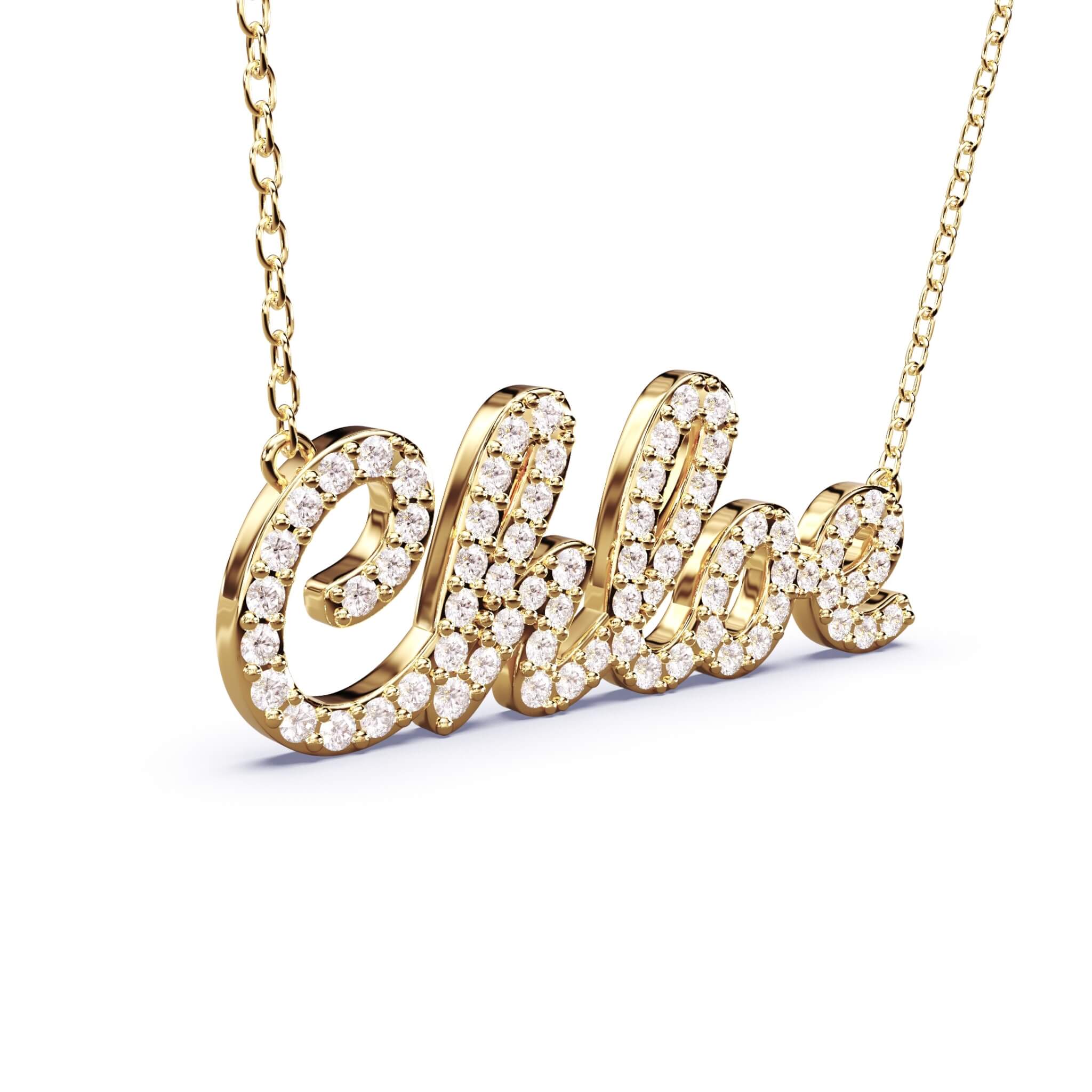
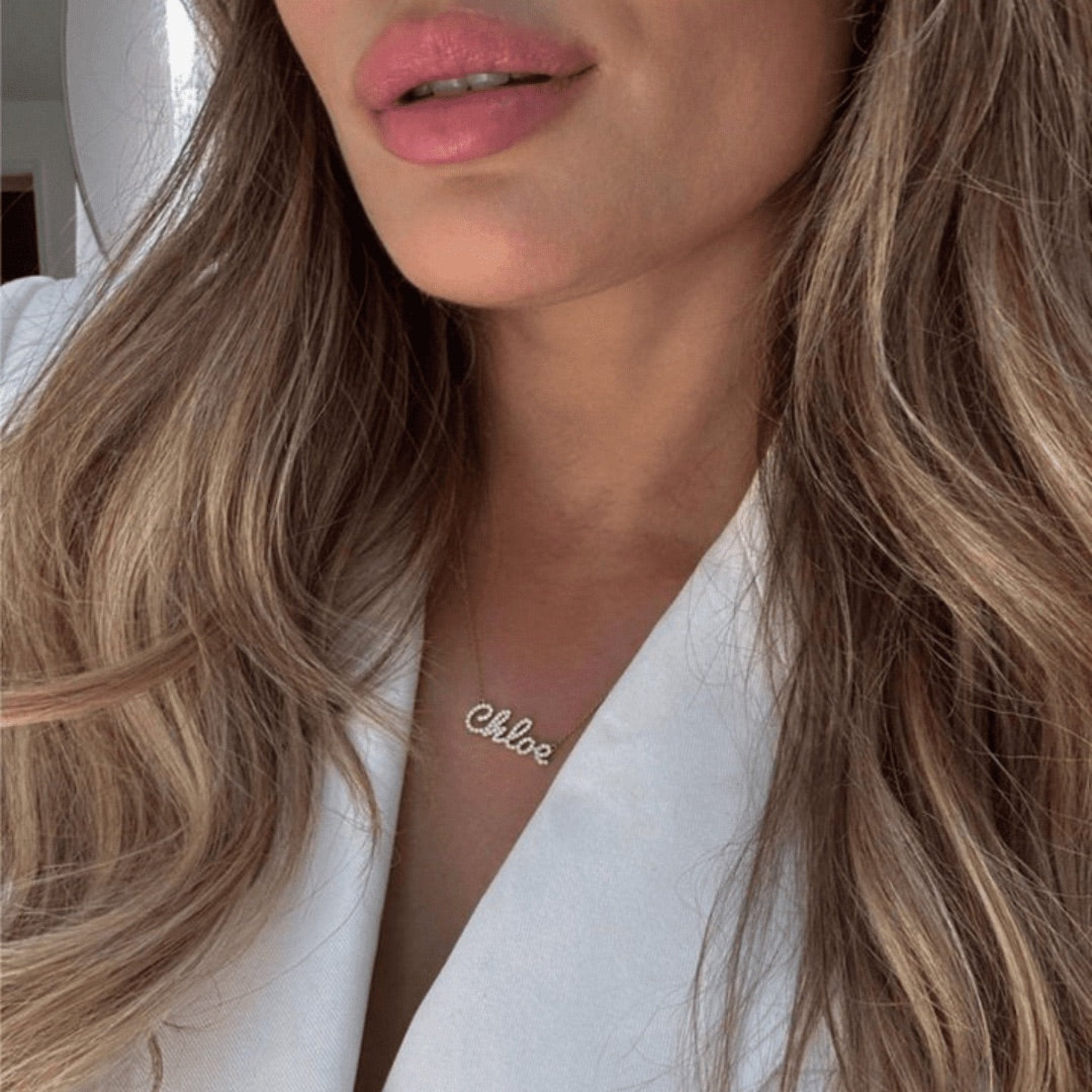
Classic Diamond Name Necklace
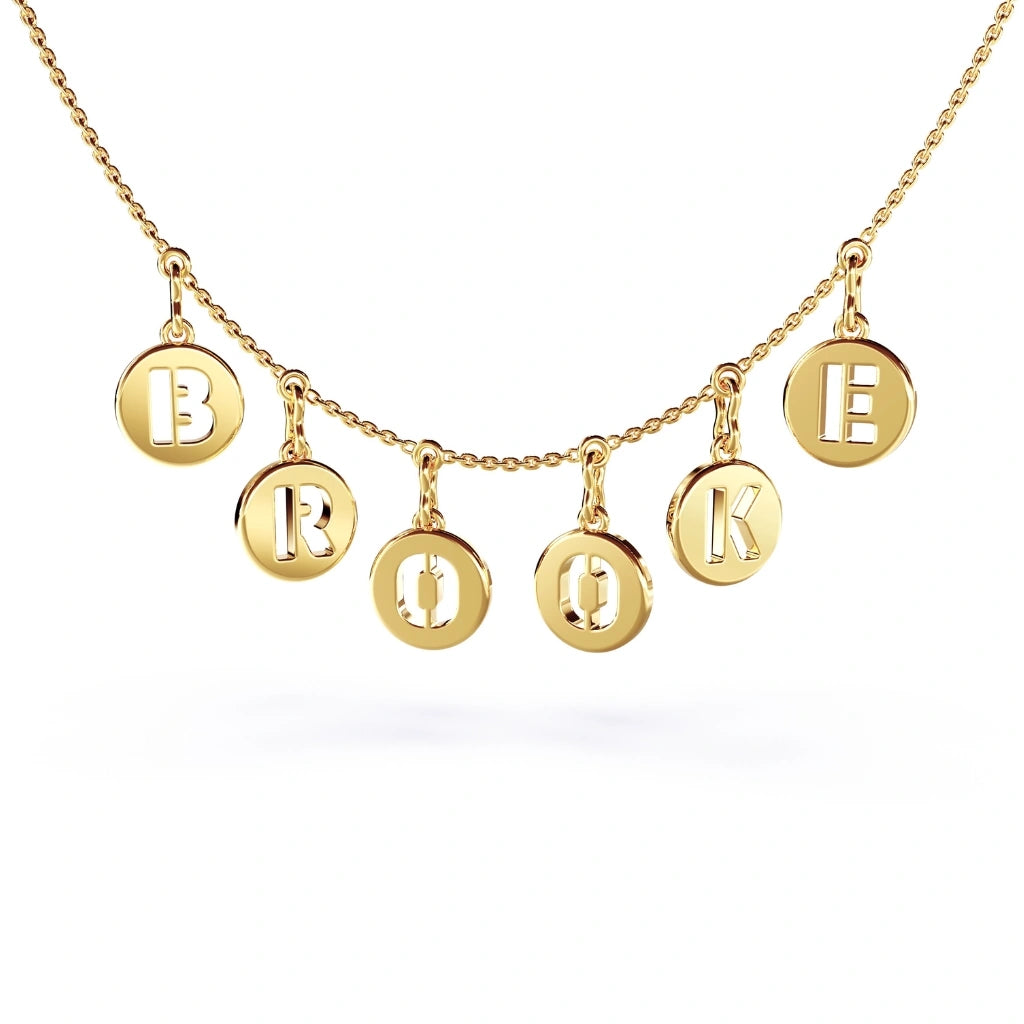
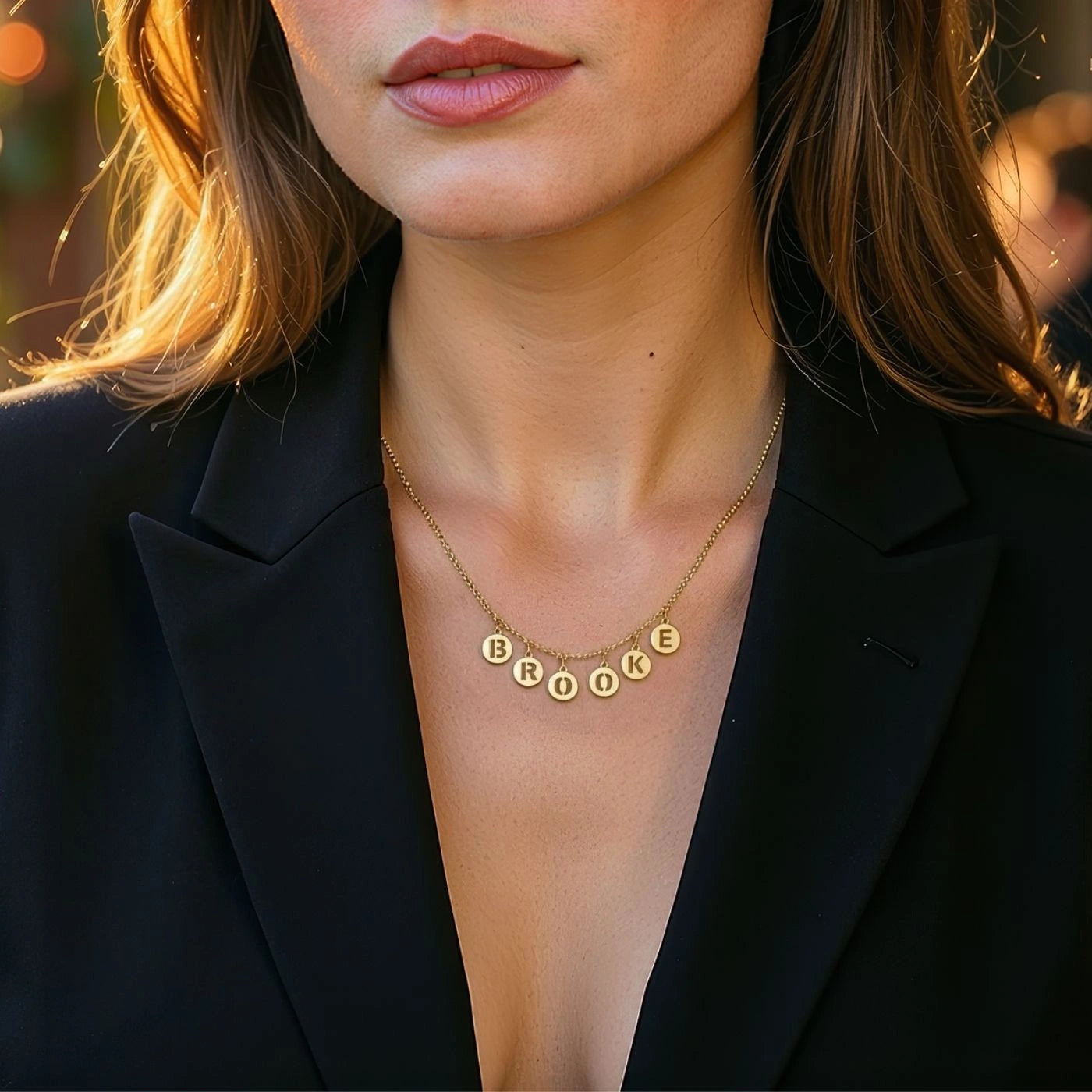
Custom Disc Name Necklace

Written by Katie Silver