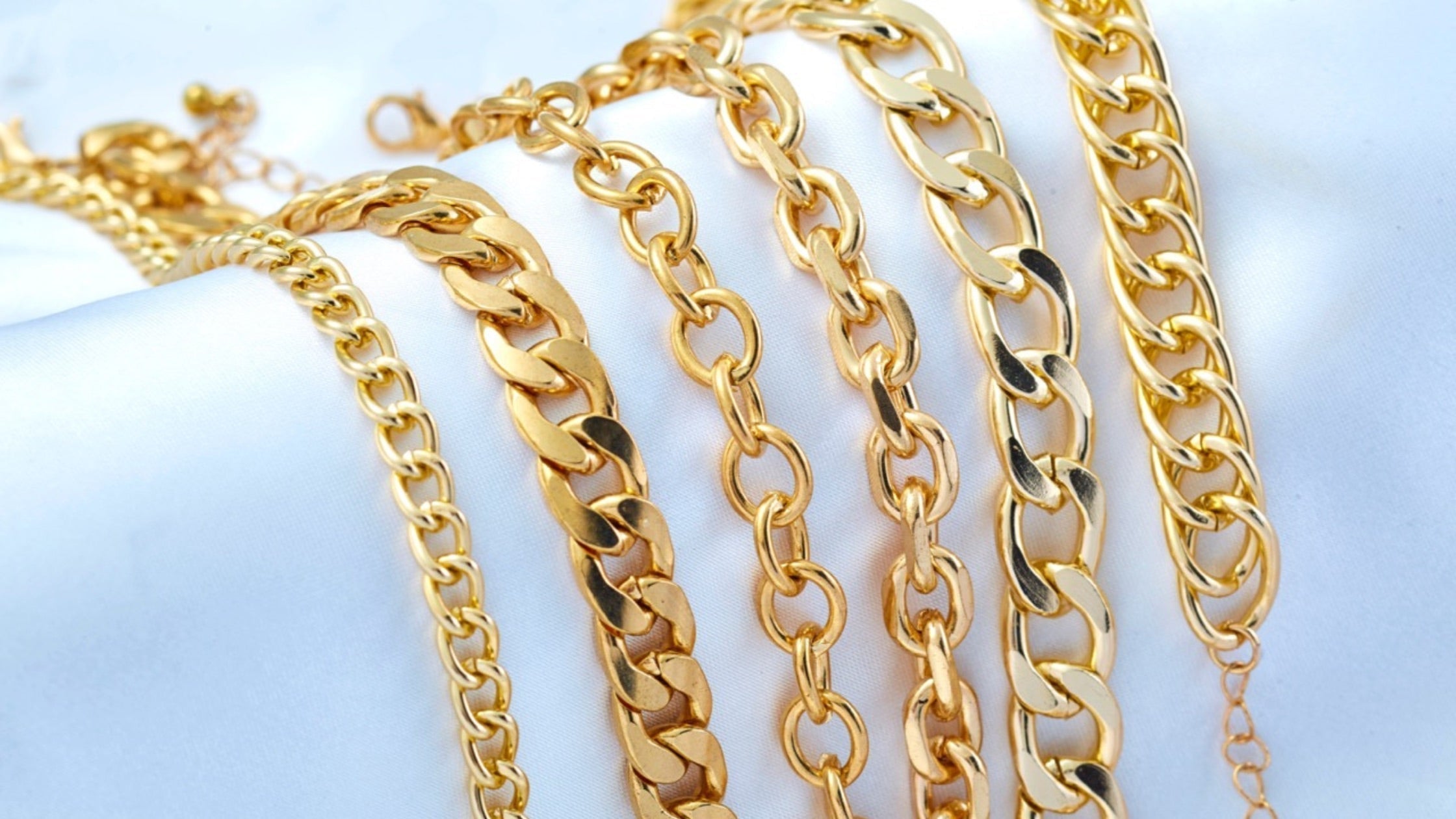
When investing in gold jewellery, understanding the differences between solid gold, gold plated, gold filled, and gold vermeil pieces is key to making an informed choice. Each type of gold jewellery offers something different, but when it comes to longevity, beauty, and everyday wear, solid gold continues to set the standard.
This guide breaks down everything you need to know about the main types of gold jewellery, helping you decide what’s truly worth adding to your collection.
Solid Gold vs Plated, Filled & Vermeil: What's Worth It?
I used to own drawers full of gold plated and vermeil jewellery. Here's what actually happened to it, and why Argent & Asher only makes solid gold now.

Key Takeaways
- Solid gold is gold, all the way through Alloyed for strength, not coated onto another metal.
- Plated jewellery wears through fast Often within months of daily wear, sometimes weeks.
- Gold filled contains 5 to 10% gold Longer lasting than plating, but still not solid.
- Vermeil needs at least 2.5 microns of gold Over a sterling silver base, which is why it's usually hypoallergenic.
- Only solid gold holds real resale value Plated, filled and vermeil pieces hold close to none.
- Solid gold is infinitely recyclable The other three usually end up in landfill within a few years.
In This Guide
- Chapter I The Four Types of Gold Jewellery: what each one actually is, and how it's made.
- Chapter II The Real Comparison: durability, cost and resale value, side by side.
- Chapter III Why I Only Design in Solid Gold: my own drawers full of plated jewellery, and what it taught me.
- The Details FAQs: how long each type lasts, and what actually holds its value.
It felt exciting at first, the look of gold at a fraction of the price. Then the truth caught up: the gold wore off in months, pieces tarnished or turned my skin green, and when I was finally done with them, they were worth nothing at all. Just wasted money, heading for landfill.
That's why I only design solid gold jewellery today. This guide breaks down what solid gold, gold plated, gold filled and gold vermeil actually are, what they're made of, and which one is genuinely worth your money. If you want the fuller picture on gold purity itself, Also read: 14K Gold Explained: Is It Real, Cheap, or Worth It?
The Four Types of Gold Jewellery
Solid Gold, and Why It Lasts a Lifetime
Solid gold jewellery is exactly what it sounds like: a piece made almost entirely of real gold, not just coated on the surface. Pure gold (24ct) is too soft for most jewellery on its own, so alloys are added to make it durable enough for everyday wear.

- 18ct gold: 75% pure gold, a rich colour, often chosen for luxury pieces.
- 14ct gold: 58.5% pure gold, stronger and more scratch resistant, ideal for daily wear.
- 9ct gold: less gold content, a paler colour, more affordable but less rich in tone.
Why buyers choose solid gold: it doesn't tarnish, chip or wear away like plated or filled jewellery. With minimal care, it can last for generations, which makes it the most reliable option on the market.
Gold Plated, and Why It Wears Out Quickly
Gold plated jewellery is made by applying a microscopic layer of gold over a base metal, usually brass or copper. It's the most affordable type of "gold jewellery" you can buy, and also the least durable.
- The gold layer is extremely thin and wears off fast with water, sweat or friction.
- Over time, the exposed base metal can tarnish or irritate the skin.
- Re-plating is often needed to keep the piece looking gold at all.
Best for: trendy, inexpensive pieces you never expected to last more than a season.
Gold Filled, the Mid-Tier Option
Gold filled jewellery bonds a genuinely thick layer of gold to a base metal, usually brass. It contains far more gold than plating, typically 5 to 10% by weight, which makes it longer lasting. It's still not solid gold, though.
- More durable than plating, and can last several years with proper care.
- Still vulnerable to wear on high-contact pieces like rings.
- Holds effectively no resale value compared with solid gold.
Best for: affordable, mid-range jewellery meant to last a few years, not a lifetime.
Gold Vermeil, the Premium Plated Option
Gold vermeil, pronounced "ver-may," uses a sterling silver base with a thicker gold coating, at least 2.5 microns. It's a genuinely higher-quality version of plating, and a better choice for sensitive skin because of that silver base.
- Hypoallergenic for most people, thanks to the silver base underneath.
- Looks and feels close to solid gold, but it's still a surface coating that will eventually wear through.
- Needs gentle cleaning and less water exposure to keep it looking new for longer.
Best for: buyers who want a quality, affordable piece that mimics solid gold and don't mind eventual fading or re-coating.
The Real Comparison
Durability, Cost and Resale
| Type | Gold Content | Durability | Resale Value |
|---|---|---|---|
| Solid Gold | 58.5%-75% (14ct & 18ct alloys) | Lifetime, won't wear away | High |
| Gold Plated | Under 1%, a thin surface layer | Months, the layer rubs off | None |
| Gold Filled | 5%-10% gold layer bonded to base | Several years with care | None |
| Gold Vermeil | Thin coating over sterling silver | Years with careful handling | Minimal |

Why I Only Design in Solid Gold
Most Jewellery Brands Won't Say This Part
- Plated, filled and vermeil jewellery almost always ends up as waste. It doesn't retain value, can't be melted down easily, and often ends up in landfill.
- Solid gold, on the other hand, is infinitely recyclable. Even decades later, it can be repurposed or resold, because it holds intrinsic value.

Image source: Argent & Asher
As a brand owner, it genuinely pains me to think about the thousands I spent on "cheap" gold jewellery in the past. I don't own a single one of those pieces anymore. They didn't last, they weren't worth anything, and they added to unnecessary waste along the way.
That's why Argent & Asher is committed to solid gold only. Every piece is made to last, not just to look good on day one.
Common Buyer Questions
How long will gold plated jewellery last?
Typically a few months with daily wear before the coating rubs through, sometimes faster if it's exposed to water or perfume.
Can you shower with gold filled or vermeil jewellery?
Not recommended. Both types wear out faster when exposed to regular water and soap.
Does solid gold scratch or tarnish?
Solid gold resists tarnishing, but it can scratch over time. Regular polishing keeps it looking new.
Is solid gold worth the higher price?
Yes. Unlike the other three types, it retains its value, doesn't wear away, and can genuinely be passed down for generations.
What's the difference between gold filled and gold vermeil?
Gold filled bonds a thick gold layer to brass. Vermeil bonds a thinner gold layer, at least 2.5 microns, to sterling silver. Vermeil is the more likely of the two to be hypoallergenic, thanks to the silver base underneath.
Can gold plated jewellery be re-plated?
Yes, most plated pieces can be re-plated by a jeweller. The cost adds up quickly if you're doing it every year, though, which is worth factoring into the "affordable" price tag.
Does solid gold jewellery hold resale value?
Yes. A jeweller can weigh and value it against the current gold price. Plated, filled and vermeil pieces have effectively no resale value, since there's too little actual gold in them to reclaim.
At the end of the day, the type of gold jewellery you choose comes down to how long you want it to last and what value it should hold. Gold plated is short-lived and mostly for looks. Gold filled and vermeil last longer, but they're still temporary solutions. Solid gold is a one-time investment in beauty, durability and lasting value.

At Argent & Asher, we craft every piece in solid gold because jewellery should last a lifetime, not just a season. Read our guide on What Influences the Price of Fine Jewellery in 2026? for more on how fine jewellery is actually priced.
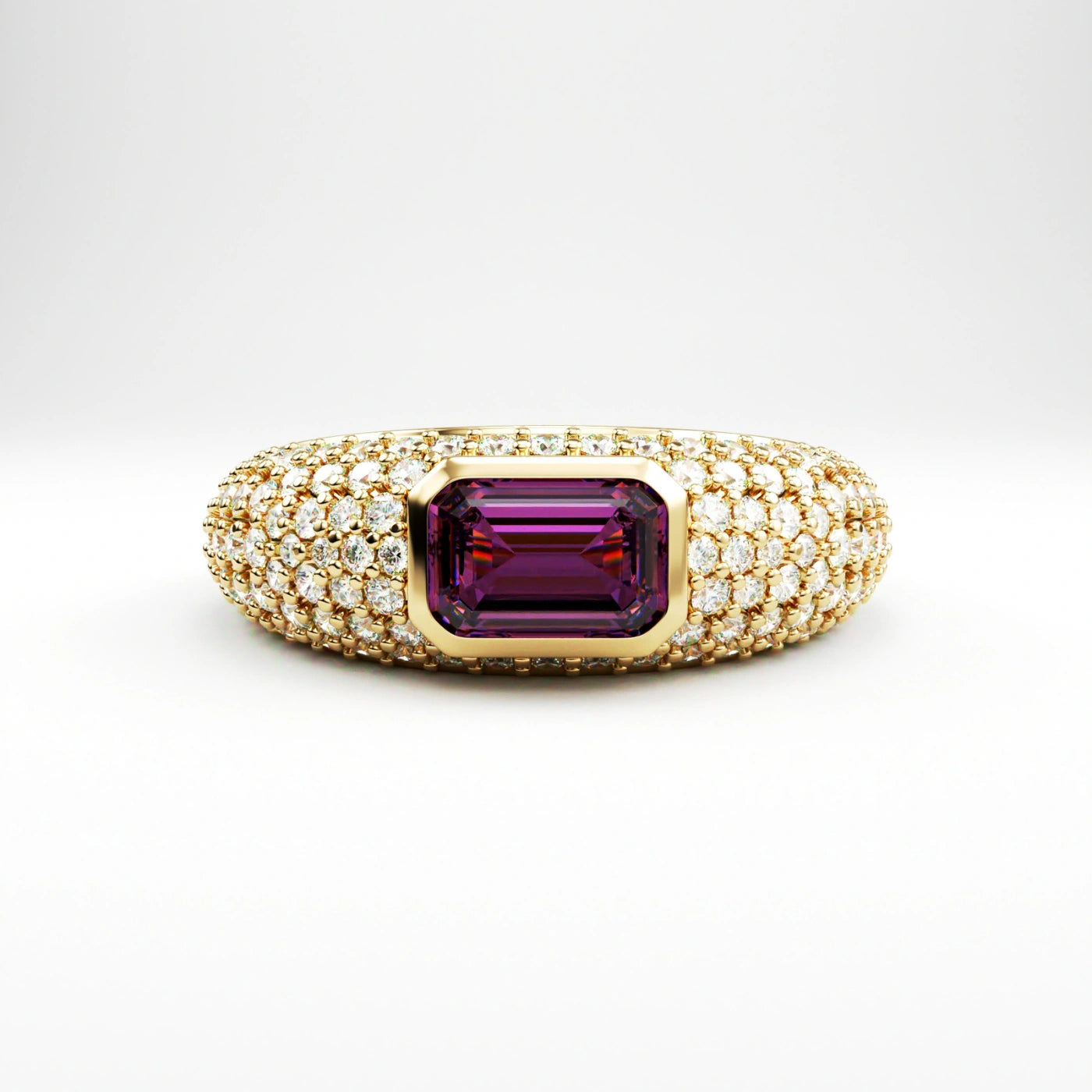
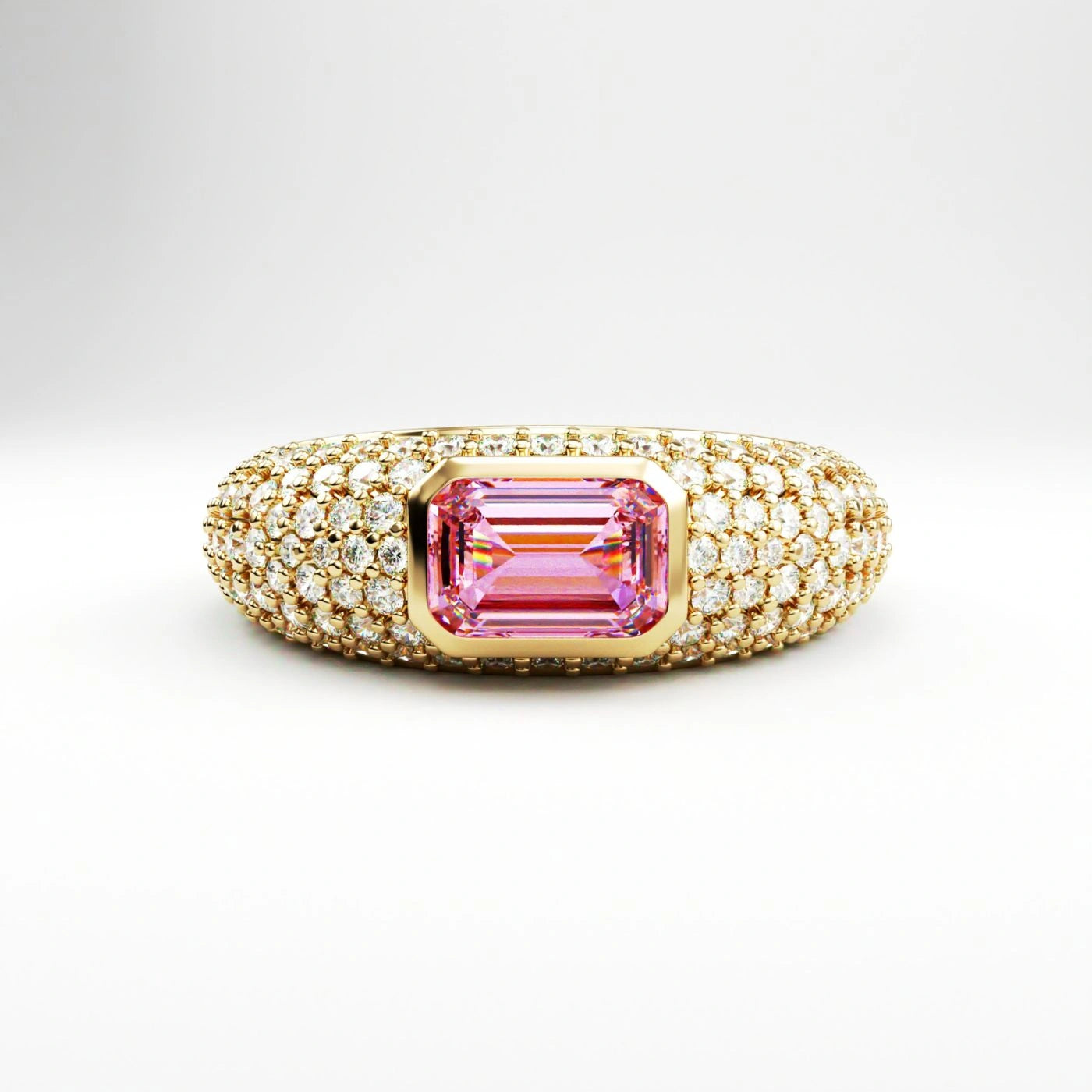
Bombe Ring
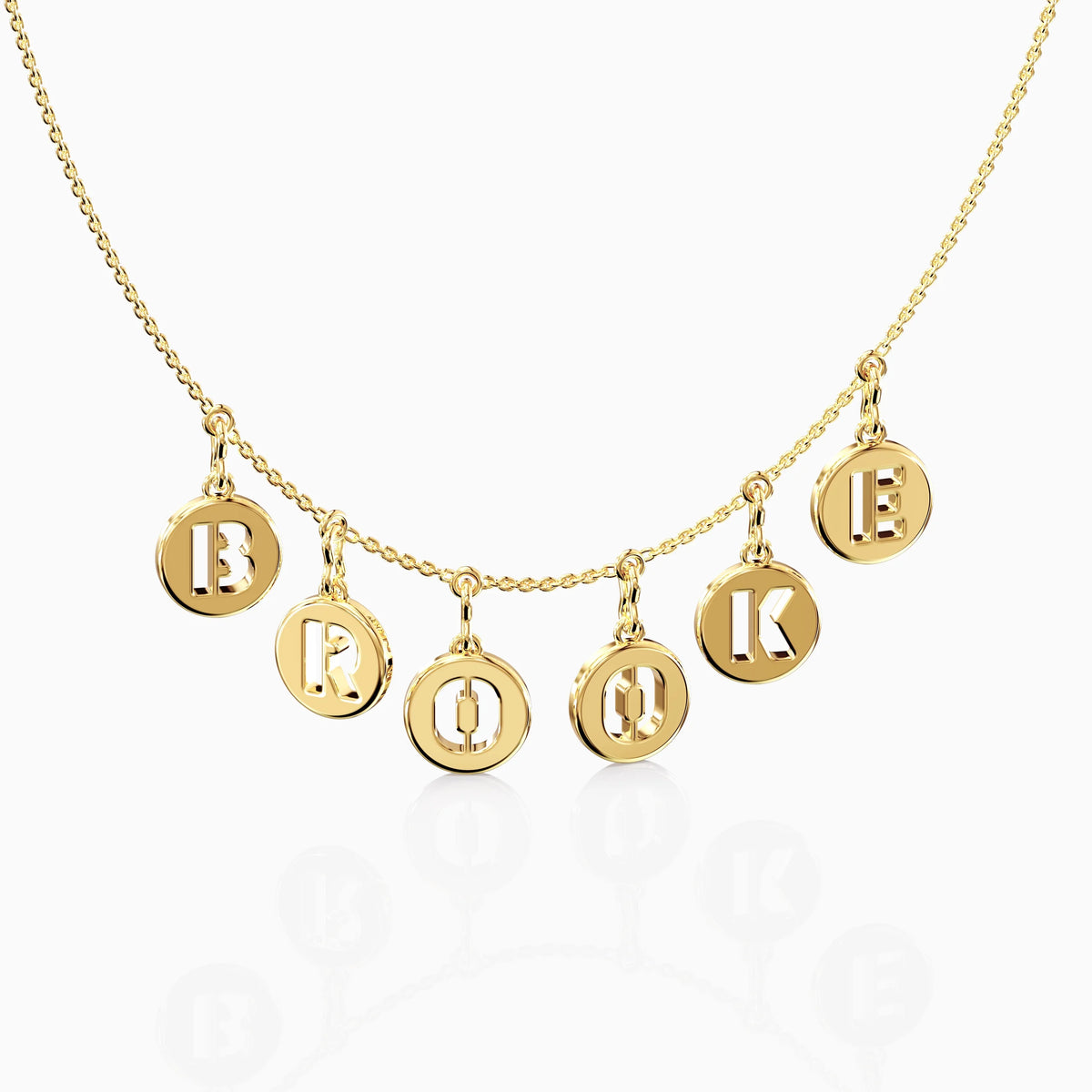
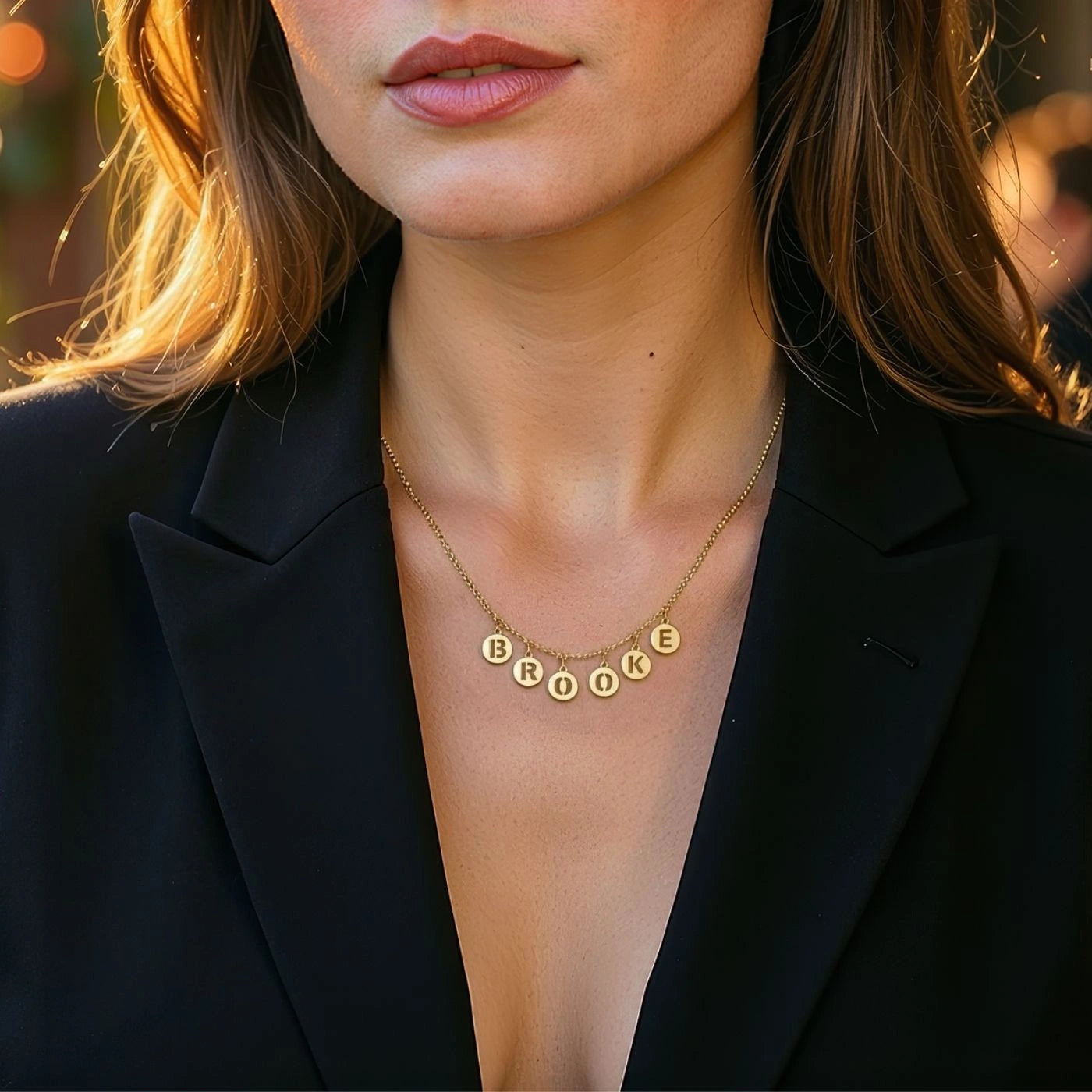
Custom Disc Name Necklace

Written by Katie Silver