

Article: Coloured Gemstones Are Back
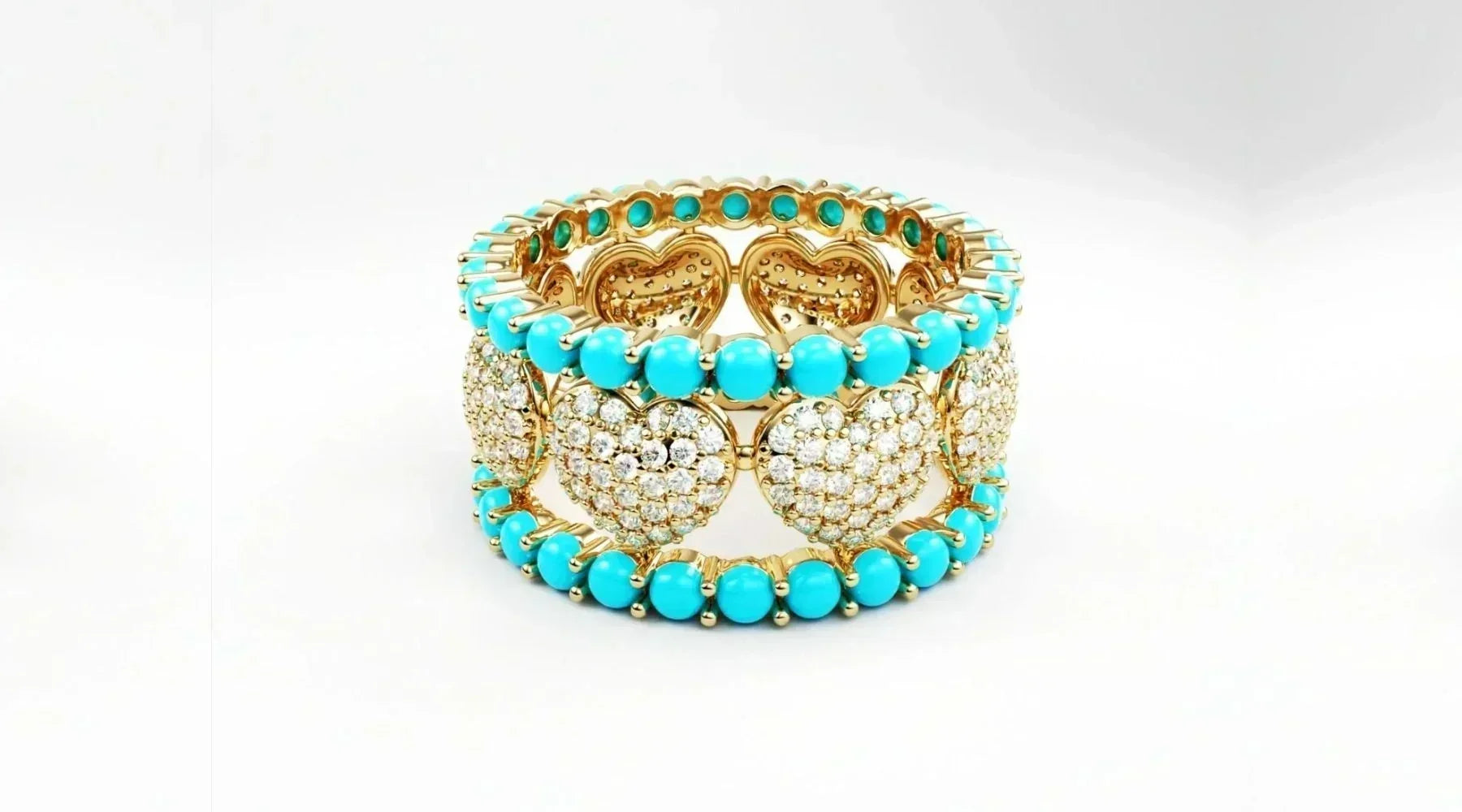
Coloured gemstones are having a proper moment, here's why jewellery lovers are reaching for emeralds, sapphires and rubies instead of the classic clear diamond.
Coloured Gemstones Are Back
Why jewellery lovers are moving beyond diamonds — and choosing emeralds, sapphires and rubies that actually mean something to them.

Key Takeaways
- Colour is a reaction to sameness Decades of the identical clear diamond solitaire have buyers reaching for something with its own tone.
- Royalty made it mainstream Princess Diana's sapphire, later Catherine's, proved a clear diamond was never the only proper choice.
- Vintage cuts are back in demand Art Deco and Victorian colour-and-metalwork combinations are shaping new designs, not just old ones.
- There's a lower entry point Peridot and citrine offer real personality without the price tag of a fine sapphire.
- Diamonds haven't lost their place They've just stopped being the only one at the table.
In This Edit
- Chapter I A Move Toward Individuality — why sameness stopped selling
- Chapter II Where the Trend Came From — royals, red carpets and vintage revival
- Chapter III The Practical Case — ethics, budget and a more playful mood
- The Verdict Diamonds Aren't Going Anywhere — they're just no longer alone
Semi-precious rings, pendants and everyday pieces are popular for the same reason: people aren't buying what they're told to buy any more. They're choosing stones that actually mean something to them, which makes the whole experience of buying fine jewellery feel more authentic, more considered, and a good deal more fun.
A Move Toward Individuality
A Move Toward Individuality and Emotion
It's no wonder coloured gemstones are trending. People are a bit fed up with everything looking identical. The classic clear diamond solitaire was the default for decades — fine, but it got to the point where every ring started to look the same. Now buyers want a bit of individual character. A rich emerald or a deep sapphire has its own tone, which makes the whole piece feel like a genuine reflection of you.
Jewellery is personal, and colour just makes it more so. A clear diamond is safe; an emerald or an aquamarine actually says something about who you are. We're noticing that people care far less about the technical specs these days and much more about what the stone means. Whether you're marking an anniversary or treating yourself, picking a gemstone that matches your energy is what turns it into a piece you'll keep for good.

Coloured Gemstones Feel More Personal
There's something lovely about moving away from jewellery-as-uniform. Choosing a coloured stone is instinctive — one person gravitates to a deep, moody ruby, another to a pale, glassy aquamarine. That instinct makes a ring feel like confidence, rather than just an accessory chosen to match an outfit.
Buyers are genuinely comfortable doing their own thing now. A piece doesn't need to tick a list of traditional boxes to mean something to the person wearing it.
Where the Trend Came From
Celebrity Influence Has Played a Part
Jewellery trends don't just appear out of nowhere — they're nearly always driven by what we see on our screens, and pop culture has pushed coloured stones back into the spotlight. Princess Diana's sapphire engagement ring, later worn by Catherine, Princess of Wales, is the clearest example. It proved a classic piece never had to be a clear diamond.
Red carpet fashion has got interesting again too, mostly because stars have stopped playing it safe — heavy multi-coloured rings, deep green emeralds. Social media has opened the whole thing up for everyday buyers: you can see the real depth in a teal sapphire or a soft peach morganite just by scrolling, which is exactly why everyone's suddenly obsessed.
Vintage and Antique Styles Are Shaping Modern Jewellery
You can't talk about coloured gemstones without the vintage comeback — it's changed the game lately. Old-school Art Deco and Victorian rings were always about rich, bold colour framed by intricate metalwork.
Modern designers are leaning into that look, because people are tired of mass-produced pieces that all look the same. Antique-style ruby clusters and sapphire pendants are flying out the door. The appeal comes down to original craftsmanship — older jewellery feels a world away from the templates you see on the high street.

The Practical Case
Ethical and Practical Considerations
People are far more conscious of where stones are mined these days. Alongside that, budget is driving the move toward colour: exceptional sapphires still command real prices, but semi-precious options like peridot and citrine are genuinely accessible. They add personality to a collection without the luxury markup, which frees people up to be a bit more adventurous instead of playing it safe.
Jewellery Is Becoming Playful Again
Near-invisible chains had their moment, but it's far more exciting to see proper colour coming back. Gemstones give a piece a sense of personality that a clear diamond struggles to match alone. Designers are having fun with asymmetrical settings and heavy multi-stone rings that read like actual art — and it's transformed the bridal world too.
Couples are ignoring the old rulebook entirely, choosing emerald centrepieces or eclectic stone combinations that mean something personally. Jewellery should be a bit brave and distinct — not just a safe choice that helps you blend in.

A Quick Guide to the Stones
If you're choosing by meaning as much as by look:
| Stone | Symbolism | Hardness (Mohs) | Price Point |
|---|---|---|---|
| Emerald | Growth, renewal | 7.5–8 | Premium |
| Sapphire | Wisdom, loyalty | 9 | High-end |
| Ruby | Strength, passion | 9 | High-end |
| Aquamarine | Serenity, clarity | 7.5–8 | Mid-range |
| Peridot & Citrine | Joy, optimism | 6.5–7 | Accessible |
Everything Else Worth Knowing
Are diamonds going out of style?
No. Diamonds still hold huge cultural weight, and their durability keeps them top tier for fine jewellery. What's changed is the mindset that they're the only proper choice — colour has simply earned its place alongside them.
Which coloured gemstone holds up best for everyday wear?
Sapphire and ruby, both a 9 on the Mohs hardness scale — nearly as hard as diamond, so they resist scratching well. Emerald and aquamarine sit lower at 7.5–8 and are better suited to occasional wear or a protective setting.
What's the difference between precious and semi-precious stones?
Historically, "precious" meant diamond, ruby, sapphire and emerald; everything else was "semi-precious." The line is more marketing than science today — plenty of semi-precious stones are rarer and pricier than lower-grade precious ones.
Are coloured gemstones a good long-term investment?
Fine sapphires, rubies and emeralds do hold and gain value, particularly untreated stones with good provenance. Semi-precious stones are better thought of as buying character and colour, not building a portfolio.
How do I choose a coloured gemstone that suits me?
Go by what draws your eye rather than what's "supposed" to suit you. Warmer skin tones often lean into peridot, citrine and ruby; cooler tones toward sapphire and aquamarine — but the stones people wear longest are the ones they picked on instinct.
Diamonds Aren't Going Anywhere — They're No Longer Alone
None of this means diamonds are on their way out. They still carry real cultural weight, and their durability means they'll always sit near the top of fine jewellery. What's actually changed is the idea that they're the only proper or luxury choice.
Coloured gemstones aren't second-best any more. Buyers have far more freedom to choose a stone for its story rather than just following the old rules — a proper shift toward individuality, with colour finally back at the table.
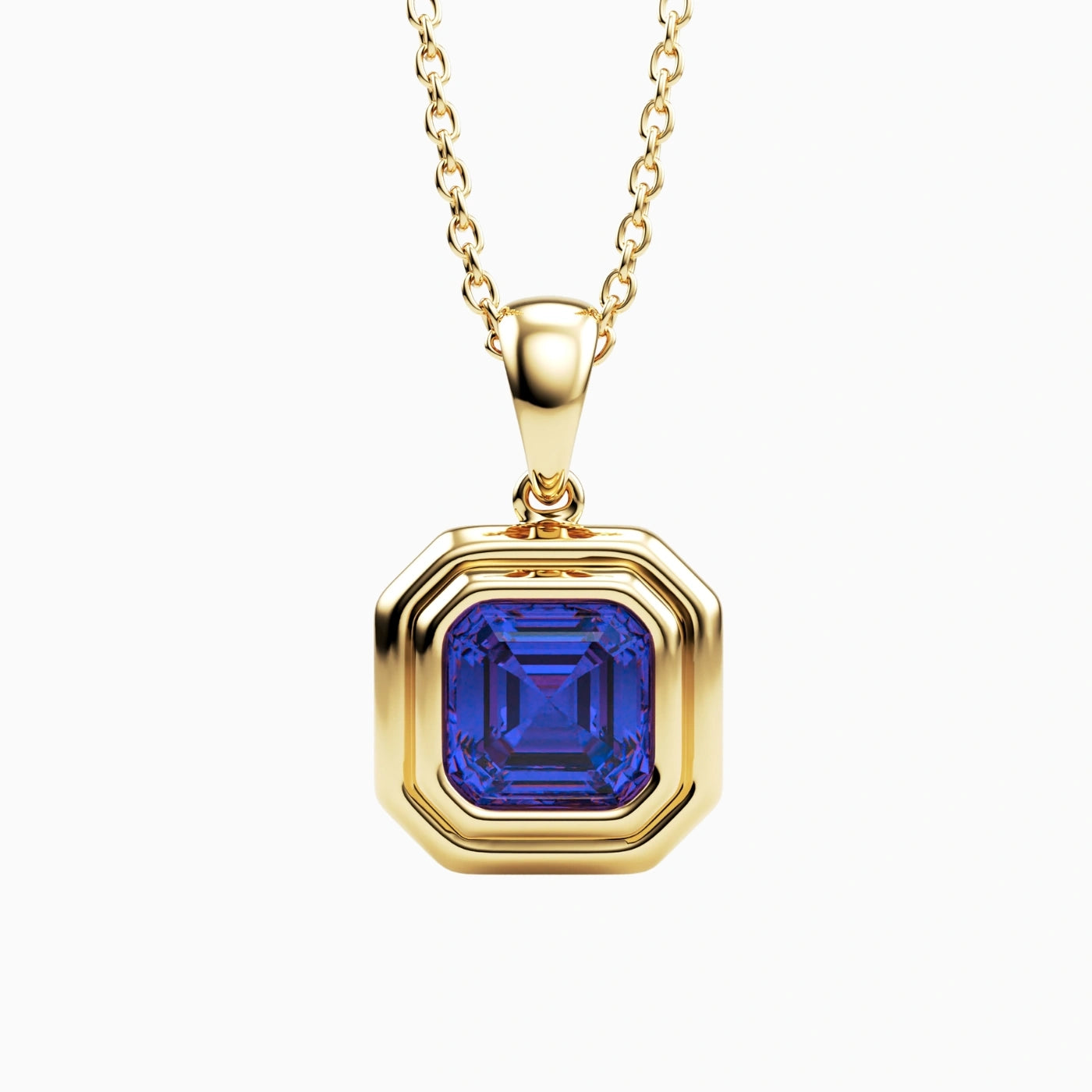
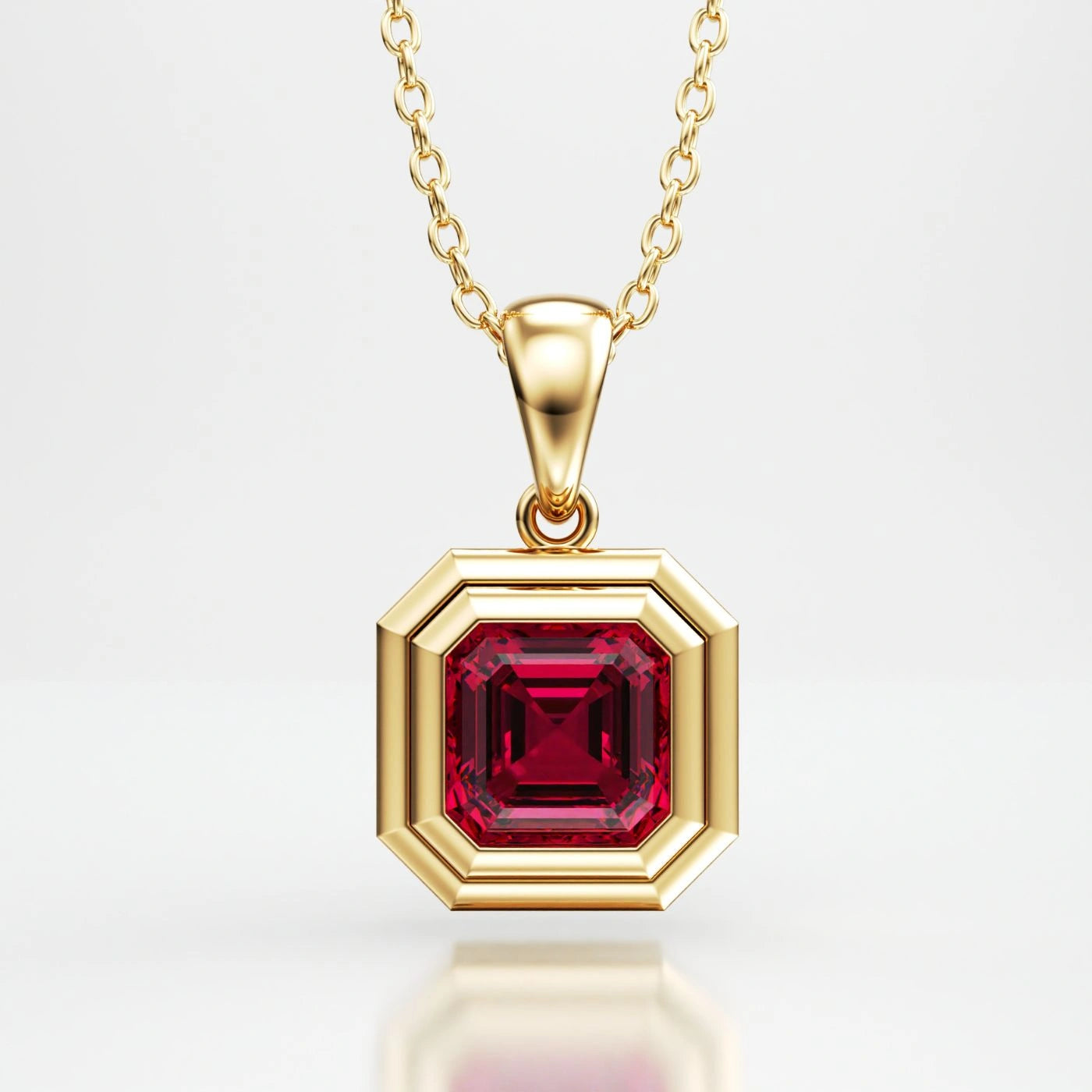
Asscher Pendant
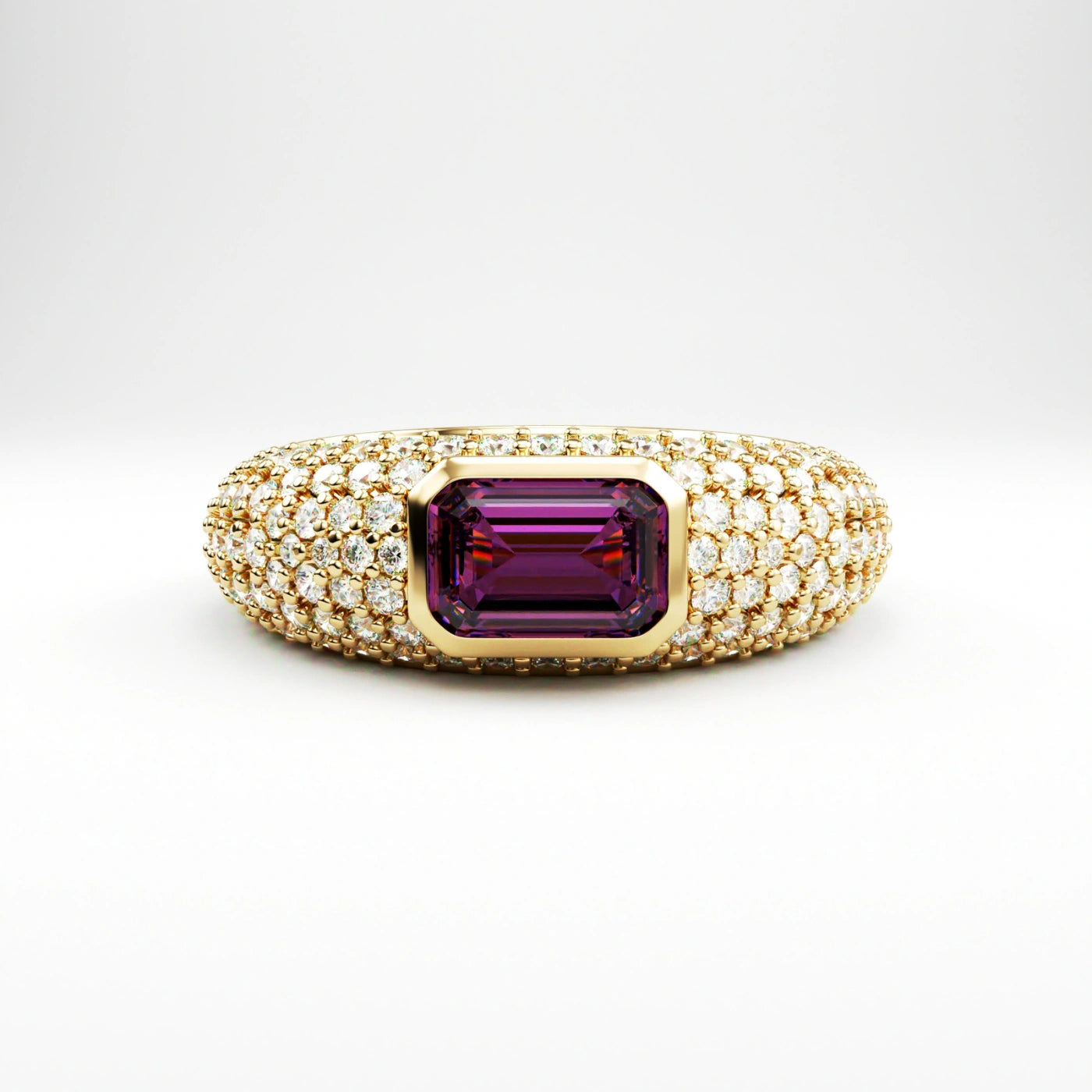
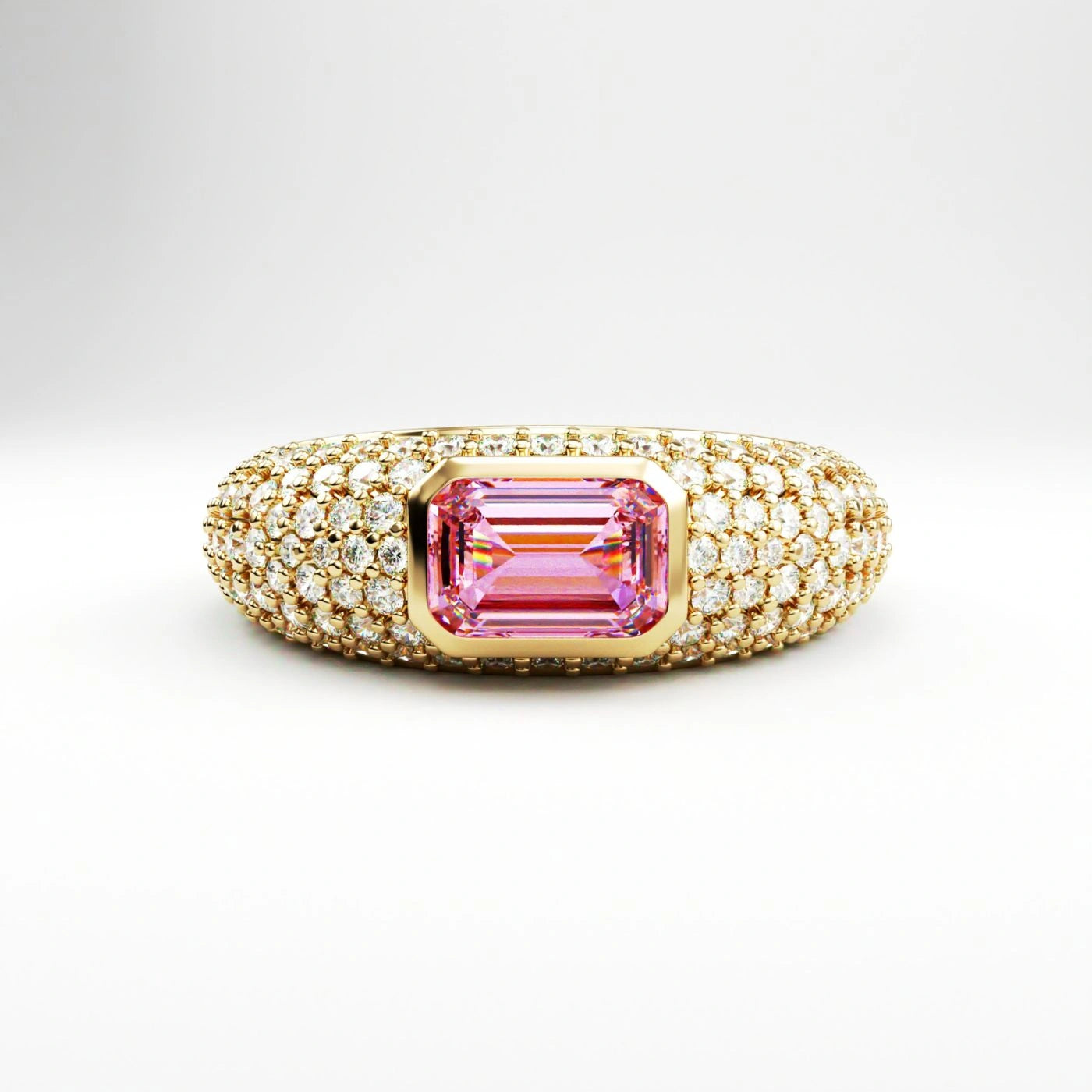
Bombe Ring

Written by Katie Silver

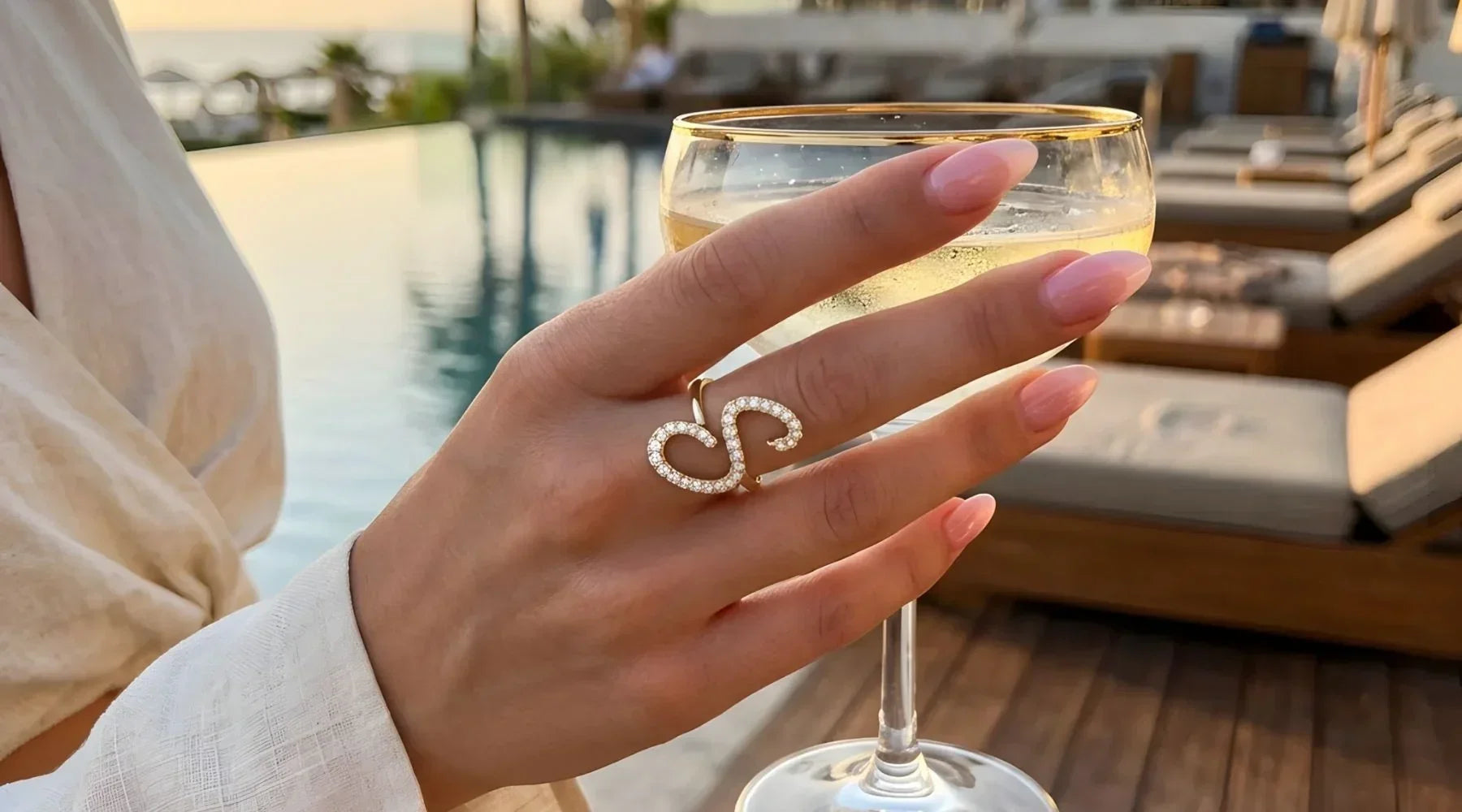


Social Media Has Changed Jewellery Tastes
Social media has given the jewellery industry a proper shake-up. Algorithms favour visual distinction, which means a vibrant, colourful stone gets far more attention online than a classic clear solitaire.
That shift has been a genuine win for smaller, independent designers who specialise in unusual gemstones. People want character and craftsmanship they can actually see, and that's opened up a much bigger world than the high street used to allow.