
Solid gold jewellery is very pleasing to the eyes, and it is an investment fashion purchase. However, jewellery cannot just be all bling, you need it to be sturdy.
So, the question is, can gold beat the daily grind?
Daily Wear and Tear: How Durable Is Solid Gold Jewellery?
Solid gold looks like an investment piece and needs to wear like one too. Here's what actually holds up under daily use — and how to tell real gold from a good imitation.

Key Takeaways
- Softer isn't sturdier The purer the gold, the softer it is — 24ct scratches far more easily than 9ct.
- 14ct is the daily-wear sweet spot Durable enough for constant use, with noticeably richer colour than 9ct.
- Look for the hallmark A genuine UK hallmark carries a fineness number — 375 for 9ct, 585 for 14ct, 750 for 18ct.
- Rings and bracelets take the most damage Constant contact with surfaces wears them faster than necklaces or earrings.
- Solid gold won't tarnish Unlike plated pieces, it doesn't react with moisture or air — it can still scratch, though.
- One clean a month Warm water and mild soap monthly, plus a professional clean once a year.
In This Guide
- Chapter I What Solid Gold Actually Is — composition, the karat scale, and reading a hallmark.
- Chapter II Durability, Day to Day — what wears gold down, and which pieces take the hit first.
- Chapter III Spotting and Keeping the Real Thing — hallmark checks, testing, cleaning and storage.
- The Details FAQs — karats, allergies, vermeil, and what actually protects your gold.
So can it take the daily grind? Largely, yes — but "solid gold" covers a wider range than people assume, from the softest 24ct to the hard-wearing 9ct most everyday pieces are made from, including our own Classic Gold Name Necklace. This guide walks through what solid gold actually is, how it holds up, and how to tell it apart from something that only looks the part.
If you want the fuller comparison first, Also read: Solid Gold vs Gold Plated, Gold Filled & Gold Vermeil.
What Solid Gold Actually Is
Solid Gold, Defined
As opposed to gold-plated or gold-filled pieces, solid gold jewellery is made entirely from gold, alloyed with other metals for strength rather than layered over a base metal. That does not mean 100% pure gold — pure gold is too soft to hold its shape as jewellery, so every solid gold piece is a mix.
Gold is measured in karats on a scale of 24. 24ct is the purest form. 18ct — 18 parts of 24 — is 75% pure gold, and 14ct is roughly 58.5%. 9ct has the lowest gold content of the three, at 37.5%, and it's also the minimum purity the UK legally allows to be sold or described as "gold."
Reading the Karat Scale
Higher purity means richer colour and softer metal. Lower purity means paler colour and considerably more resistance to knocks. There's no "best" karat — only the right one for how a piece is actually going to be worn.
| Karat | Gold Content | Hallmark Number | Best For |
|---|---|---|---|
| 24ct | 99.9% | 999 | Bullion and investment bars, rarely jewellery |
| 22ct | 91.6% | 916 | Occasion jewellery, worn rather than knocked about |
| 18ct | 75% | 750 | Richest colour; rings and bracelets need gentler handling |
| 14ct | 58.5% | 585 | Daily wear — the balance point of colour and toughness |
| 9ct | 37.5% | 375 | The toughest option, and the UK's legal minimum for "gold" |

Reading a Hallmark
In the UK, gold jewellery over 1 gram must be hallmarked by law. Look closely at the inside of a ring band or the back of a pendant and you should find three small stamps: a sponsor's mark (who made it), an assay office mark (London, Birmingham or Sheffield — the three still operating), and the fineness number from the table above.
No hallmark on a piece heavier than 1 gram, sold as solid gold, is worth questioning before you buy.
Durability, Day to Day
What Actually Wears Gold Down
Three things decide how a piece ages: its purity, how often it's worn, and what it's exposed to. Purity you've already seen — the higher the karat, the softer the metal and the more visible the scratches over time.
Frequency matters more than most people expect: a piece worn every day picks up fine surface scratches faster, but also tends to develop an even, soft patina rather than isolated dings. And exposure counts — chlorine, sea water and abrasive cleaning products are harder on gold than a normal day at a desk ever will be. Solid gold won't tarnish or corrode from ordinary moisture, but it isn't indestructible.
Rings and Bracelets Take the Hit
Not all jewellery wears at the same rate. Pieces in constant contact with surfaces — worktops, steering wheels, door handles — show wear far faster than pieces that mostly just sit against skin or fabric.
| Piece | Contact Level | Recommended Karat |
|---|---|---|
| Rings | Highest — hands touch everything | 9ct or 14ct |
| Bracelets | High — knocks against desks, doors, bags | 9ct or 14ct |
| Necklaces | Low — mostly rests against fabric or skin | 14ct or 18ct |
| Earrings | Lowest — rarely touches anything | 14ct or 18ct |
If a ring is going on your hand every day, our Oval Signet Ring in 9ct or 14ct will outlast the 18ct version under daily knocks — the trade-off is a slightly paler gold tone. The same logic applies to a stacked bracelet like our Initial Impressions Bracelet.

The Case for 14ct, Daily
If you're only buying one piece and want it on every single day without a second thought, 14ct is the sensible middle ground — tougher than 18ct, noticeably richer in colour than 9ct, and it's what most of our name necklaces, including the Contemporary Gold Name Necklace, are built in as standard.

Spotting and Keeping the Real Thing
Telling Real Gold From a Good Copy
Start with the hallmark from Chapter I — it's the fastest, most reliable check. Beyond that, a maker's mark alongside the fineness number tells you who stands behind the piece.
A streak test — rubbing the piece across unglazed porcelain — leaves a golden-yellow mark if it's genuine gold; a black or grey streak means it isn't. For anything more conclusive, an acid test, magnet test or electronic gold tester at a jeweller will settle it properly.
Cleaning and Storage, on a Schedule
Wipe with a soft cloth after wearing, clean properly once a month with warm water and a mild soap, and book a professional clean once a year to catch anything a cloth can't reach. That's the entire routine — solid gold doesn't ask for more than that.
For storage, keep pieces separated in soft-lined boxes or pouches rather than piled together — gold against gold is what actually causes most of the fine scratching people blame on "wear." Also read: How to Make Your Gold Jewellery Shine Like New.
Is It Actually Hypoallergenic?
Mostly, yes. Higher-karat gold (18ct and up) is close to pure and rarely triggers a reaction. Lower-karat pieces contain more alloy, and while UK gold is generally nickel-free, it's worth mentioning a known metal sensitivity before you buy rather than after.
Also read: Is 14ct Gold Worth It? Price, Purity & Popular Jewellery Choices.
Everything Else Worth Knowing
What is solid gold jewellery?
Jewellery made entirely from gold mixed with other metal alloys for strength, rather than a gold layer over a base metal. It's measured in karats out of 24, and anything from 9ct upward can legally be called gold in the UK.
Is 9ct, 14ct or 18ct gold better for everyday wear?
14ct strikes the best balance — durable enough for daily knocks, with noticeably richer colour than 9ct. 18ct looks the richest but scratches more easily; 9ct is the toughest but the palest.
Does solid gold jewellery tarnish?
No. Solid gold doesn't react with moisture or air the way base metals do, so it won't tarnish or corrode. It can still scratch, particularly in the higher karats.
How can I tell if my jewellery is genuinely solid gold?
Check for a hallmark — a tiny stamped fineness number (375 for 9ct, 585 for 14ct, 750 for 18ct) alongside an assay office mark. No hallmark on a piece over 1 gram is worth questioning.
Is solid gold hypoallergenic?
Higher-karat solid gold (18ct and above) rarely causes reactions. Lower-karat pieces contain more alloy — usually nickel-free in UK-made jewellery, but worth checking if you have a known metal sensitivity.
How often should solid gold jewellery be cleaned?
A wipe with a soft cloth after wearing, a proper clean with warm water and mild soap once a month, and a professional clean once a year to catch anything you've missed.
What's the difference between solid gold and gold vermeil?
Solid gold is gold all the way through. Vermeil is sterling silver with a gold layer plated on top — it looks similar on day one but wears through with regular use in a way solid gold doesn't.
Properly cared for, solid gold is one of the few materials that gets better-looking with age rather than worse. Match the karat to how the piece will actually be worn, check the hallmark before you buy, clean it on a schedule instead of when it occurs to you — and it will comfortably outlast the investment case for buying it in the first place.
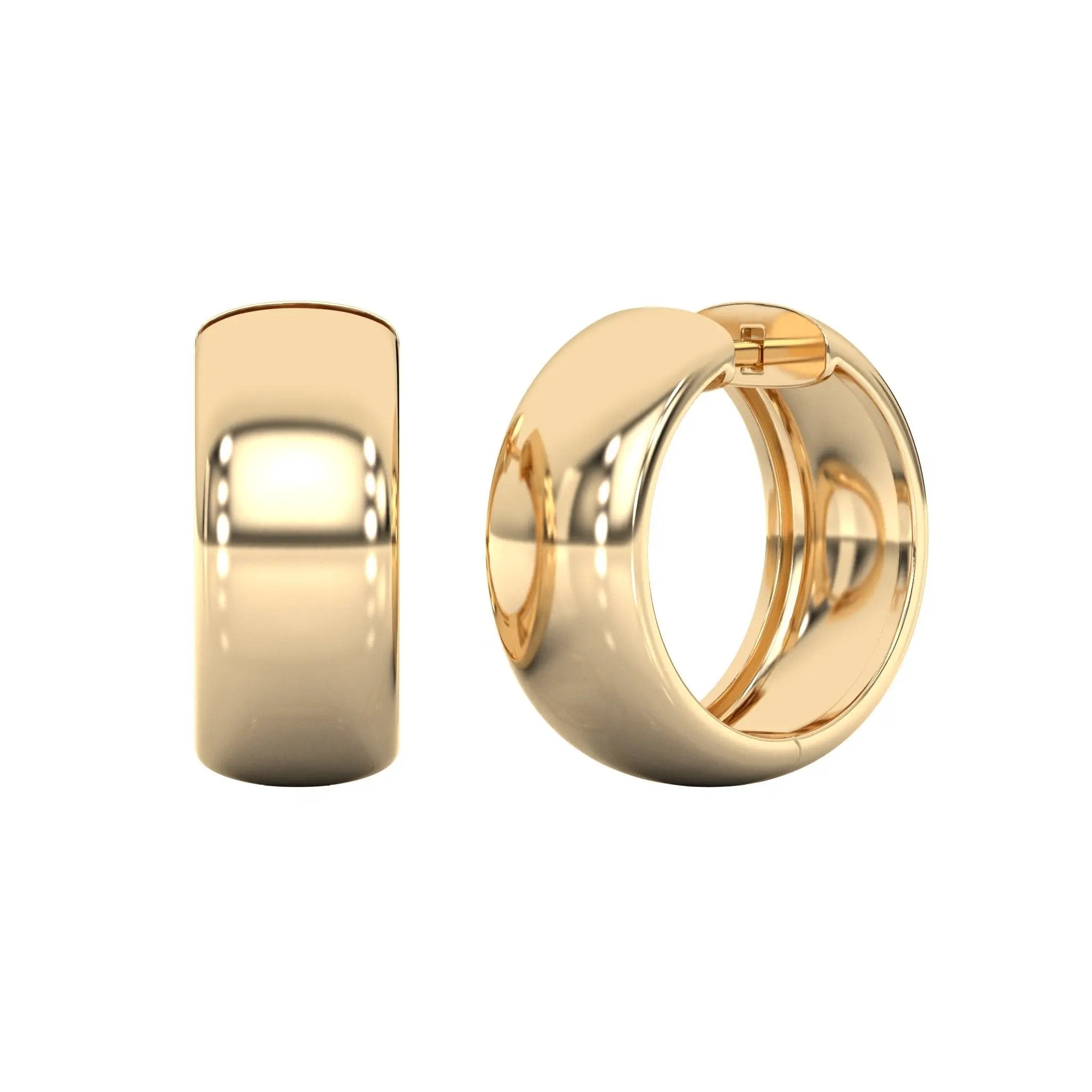
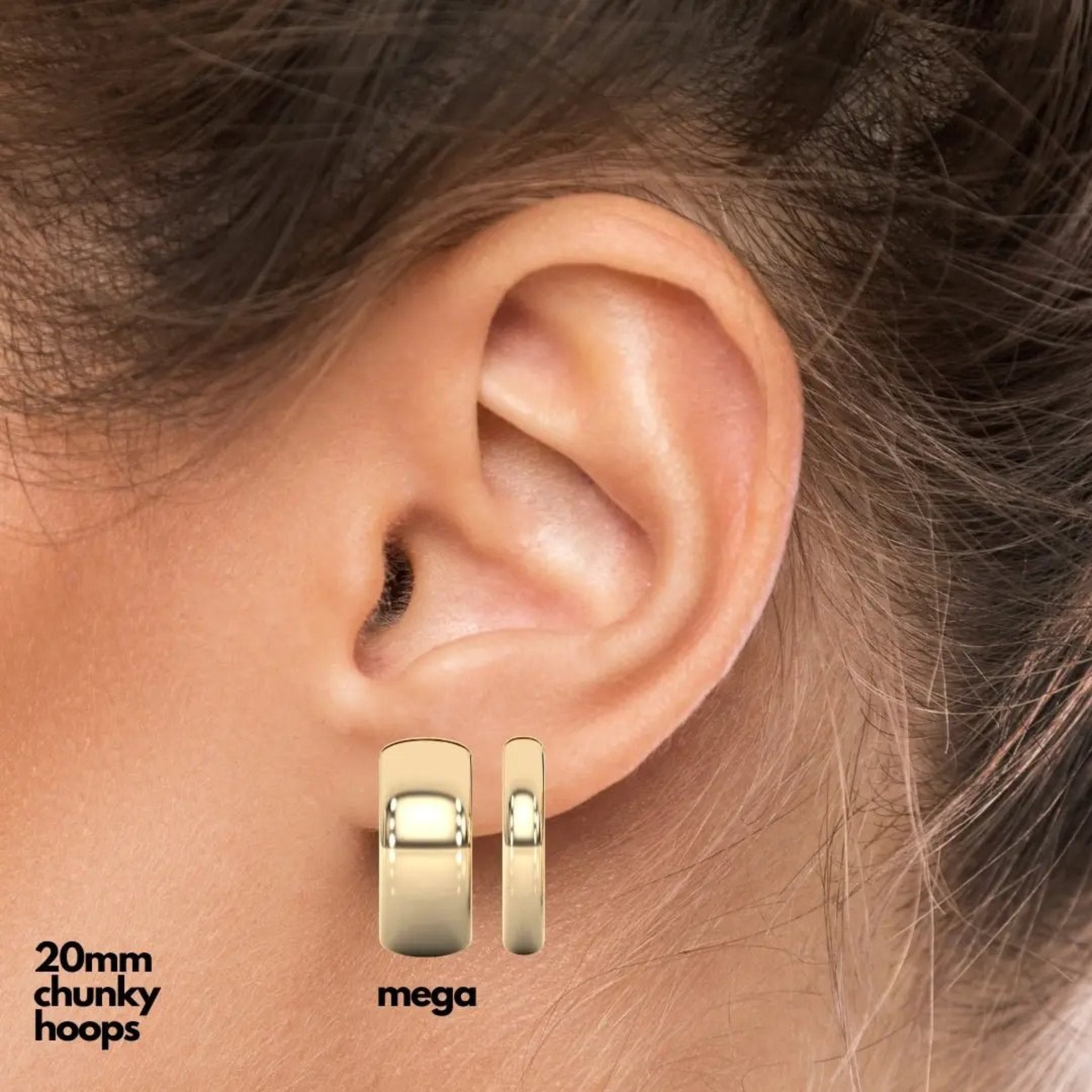
20mm Chunky Gold Hoops
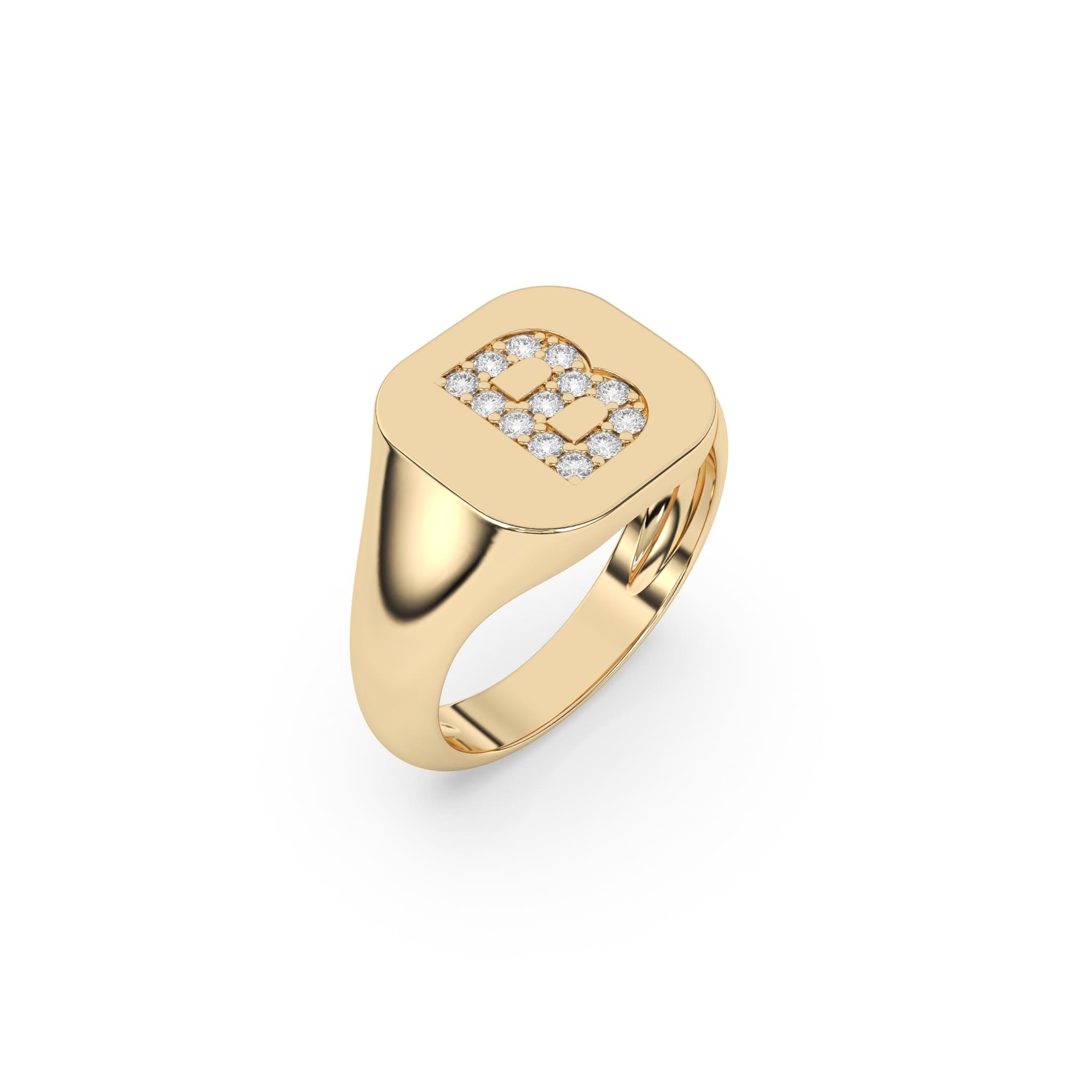

Classic Diamond Initial Signet Ring

Written by Katie Silver