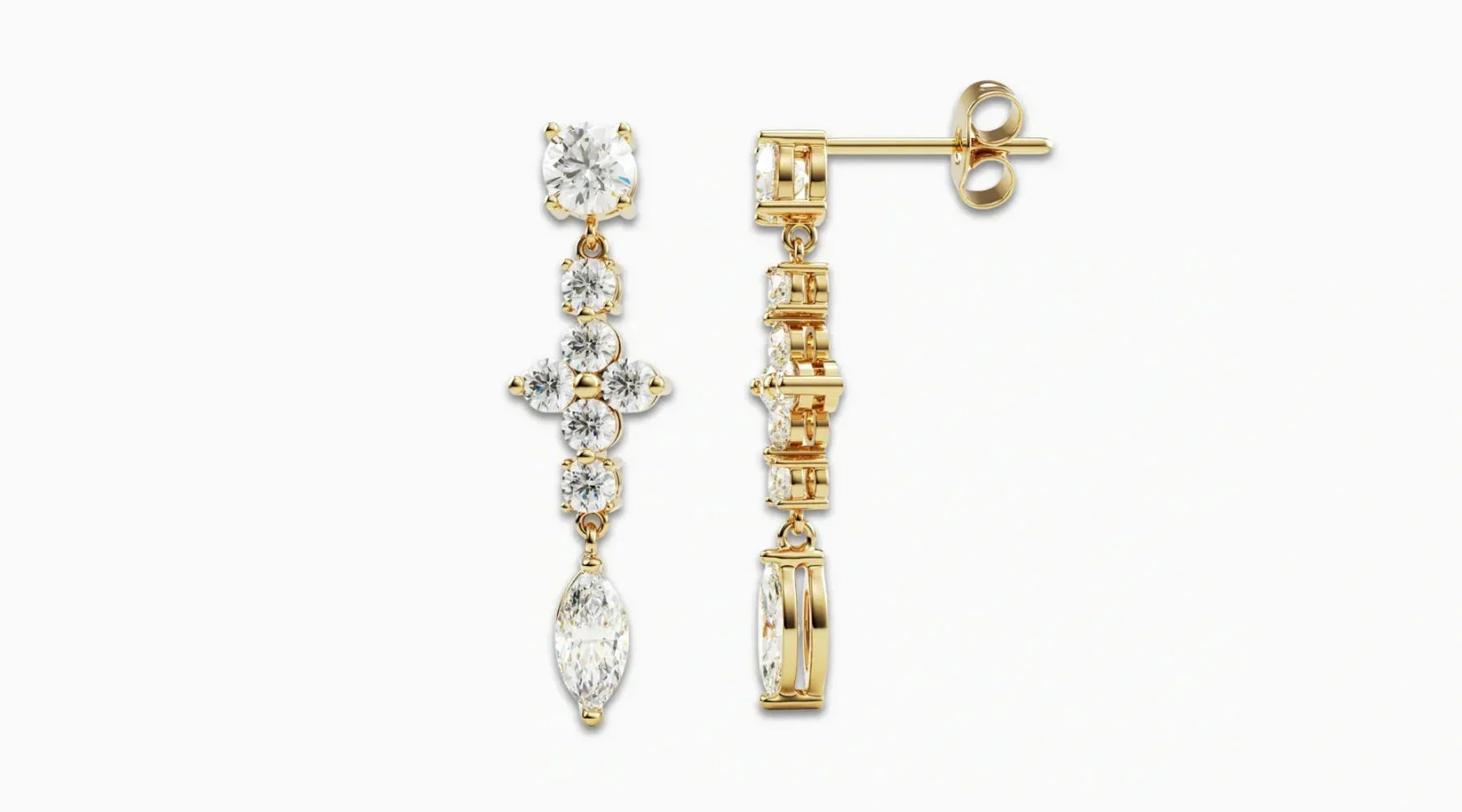
Discover the most beautiful gemstones used in fine jewellery, from classic diamonds, sapphires and rubies to richly coloured emeralds, opals, lapis lazuli, aquamarine and tourmaline. Explore what makes each stone unique, how durable it is and why modern jewellery designers continue to give these remarkable gems a fresh identity.
The Most Beautiful Gemstones Used in Fine Jewellery
From indestructible diamonds to shifting opals, the stones that give jewellery its personality and how modern settings are giving each one a completely fresh identity.
Key Takeaways
- Diamonds are practically indestructible The classic standard for commitment, now being cut in raw and unusual shapes for a modern edge.
- Sapphires exist beyond blue Pink, yellow, green, purple, and the rare orange-pink Padparadscha variety.
- The finest rubies show "pigeon's blood" red Good rubies are scarce enough to cost more than diamonds of comparable size.
- Emerald inclusions are called the "garden" Natural imperfections that prove authenticity, not flaws to avoid.
- Opals never show a single colour Their "play-of-colour" shifts and dances as the stone catches the light.
- Lapis lazuli carries genuine gold flecks A stone used since ancient Egypt, once ground down by painters for pigment.
- Aquamarine grows in larger crystals than emerald Which makes it the natural choice for clean, heavyweight statement jewellery.
- Tourmaline covers nearly every colour Watermelon (green and pink in one crystal) and neon Paraíba are the standouts.
In This Guide
- Chapter I The Classics — diamond, sapphire, and ruby.
- Chapter II Nature's Palette — emerald, opal, and lapis lazuli.
- Chapter III Modern Favourites — aquamarine and tourmaline.
Right now, designers are creating lovely things by placing traditional stones into sleek, modern settings. They work effortlessly for minimalist daily style or high-end evening wear, making them incredibly versatile additions to your collection.
The Classics
Diamond: The Classic Standard
No other gemstone has ever reached the legendary status of the diamond. It is the ultimate standard for commitment, mostly because it is practically indestructible. Yet, the coolest part is the sheer versatility.
Forget standard white stones for a second. Designers are actively experimenting with raw, unusual cuts, uneven settings, and mixed metals. It's a massive trend, and it proves that even a highly traditional stone can look fresh, stylish, and completely unexpected.

Sapphire: Beyond Brilliant Blue
While classic blue gets all the attention, sapphires actually exist in an amazing spectrum of shades. You can grab pink, yellow, green, purple, or even that rare orange-pink Padparadscha variety. They carry massive historical weight, traditionally meaning loyalty and power across Europe and Asia.
Beyond the old tales, their sheer durability is why they are so popular now. Being incredibly hard stones means they handle a busy routine effortlessly. They are spot on for everyday engagement rings that genuinely need to last for generations.

Ruby: A Symbol of Passion
People have loved rubies for a long time, mostly because that rich crimson tone represents pure vitality. When you are looking around the market, the finest stones have a deep red hue called pigeon's blood. It is what everyone wants.
Good rubies are so scarce these days that you'll find they often cost a pretty penny compared to diamonds. They look incredibly smart set against white diamonds. It is a fantastic combination if you want to create a dramatic cocktail ring or an antique-style piece that lasts.

Nature's Palette
Emerald: Nature's Most Recognisable Green
Emerald gemstones are unmatched because that vivid green colour is just so iconic. People have coveted them for generations, but you have to expect natural inclusions in the crystal, which we call the "garden." Rather than spoiling the gem, these unique internal footprints add real individuality and prove it's natural.
No two emeralds are identical. While framing them with diamonds is the classic route, plenty of modern workshops are setting them into simple gold bands now, letting that famous green shade become the true centrepiece of the piece.

Opal: A Living Display of Colour
If you want something truly individual, opals are your best bet. They completely reject the idea of a single dominant colour, opting instead for moving flashes that dance as the stone catches the light. That magical shifting effect is known as play-of-colour, often mixing bright greens, blues, and oranges together.
Australian opals remain the gold standard for collectors, but Ethiopian varieties offer incredible vividness too. We always try to respect the organic shape of the rough stone, crafting fluid, artistic frames that show off that natural charm.
Lapis Lazuli: The Deep Blue Gem of History
Most gemstones are about the sparkle, but lapis lazuli is doing its own thing. You get this incredibly rich, opaque blue that's full of tiny gold flecks, which looks exactly like a starry night. It's got serious history too, dating back to ancient Egypt, and painters literally used to grind it down for pigments.
If you want something sophisticated but a bit different, lapis is a proper good shout. It looks incredible with yellow gold and gives any statement ring or necklace a really cool, artistic vibe that stands out.

Modern Favourites
Aquamarine: The Calm Beauty of the Sea
Named after the Latin terms for water and sea, aquamarine covers a brilliant spectrum from pale pastel blues right through to deep ocean hues. The crisp tone brings a massive amount of versatility to both super modern and classic antique-style jewellery.
It is traditionally connected with serenity and safe sea travel, acting as a historical talisman for sailors. Its excellent natural transparency means we can produce a spectacular sparkle. Since large crystals are surprisingly common compared to emeralds, it is the default choice for crafting clean, heavyweight statement jewellery.

Tourmaline: A Rainbow of Possibilities
Tourmaline is easily one of the most colourful gemstones in nature, showing up in nearly every shade you can think of, from electric blues and vivid greens to rich pinks. Our absolute favourite has to be watermelon tourmaline, which naturally mixes green and pink inside a single crystal.
Then you've got Paraíba tourmaline, which has this neon blue-green glow that people go completely mad for. This incredible variety means independent designers can play around with wild colour combinations, making the stone a massive hit for anyone who loves artistic, contemporary jewellery bits.

Why Gemstones Continue to Endure
A gemstone's natural imperfections are exactly what make it beautiful. Two stones from the same location will still look different in terms of clarity and tone, giving every design a completely unique identity. Recent advances in lapidary work let us maximise sparkle while respecting the raw material, and jewellers love blending classic stones with contemporary, unexpected shapes.
Gemstones also act as a wonderful repository for memories. Whether it's a birthstone or a proper family heirloom, the emotional attachment always outlives the material value of the gold and claws.
Frequently Asked Questions
What is the hardest gemstone used in jewellery?
The diamond — it's practically indestructible, which is exactly why it became the standard for commitment jewellery.
What makes a ruby valuable?
The finest rubies show a deep red hue called pigeon's blood. Good rubies are so scarce that they often cost more than diamonds of comparable size.
Are emerald inclusions a flaw?
No — the natural inclusions in an emerald, known as the "garden," are proof the stone is genuine. No two emeralds are identical because of them.
What causes an opal's play-of-colour?
Opals reject a single dominant colour in favour of moving flashes that shift as the stone catches the light — a magical effect known as play-of-colour, often mixing greens, blues, and oranges.
What is Paraíba tourmaline?
A tourmaline variety with a neon blue-green glow that's become a favourite for anyone who loves artistic, contemporary jewellery.
Which gemstone is best for an everyday ring?
Sapphires are an excellent choice — their exceptional hardness means they handle a busy daily routine effortlessly, which is why they suit engagement rings meant to last for generations.
Fashion moves at a ridiculous pace, but beautiful gemstones are the one constant that never loses its appeal. Traditional diamonds, emeralds, and rubies will always be defaults for luxury. Saying that, we are seeing a massive shift towards alternative stones like tanzanite, aquamarine, and tourmaline lately, which give modern pieces a lovely, unique personality.
Whether you are buying for the historical meaning or just how a stone catches the light, they effortlessly bridge the gap between nature and art. They are timeless investments that will honestly keep inspiring collectors for decades.
Check out Argent & Asher's made-to-order gold collection. Blending gorgeous gemstones with proper craftsmanship, these pieces are beautiful modern heirlooms built to last.
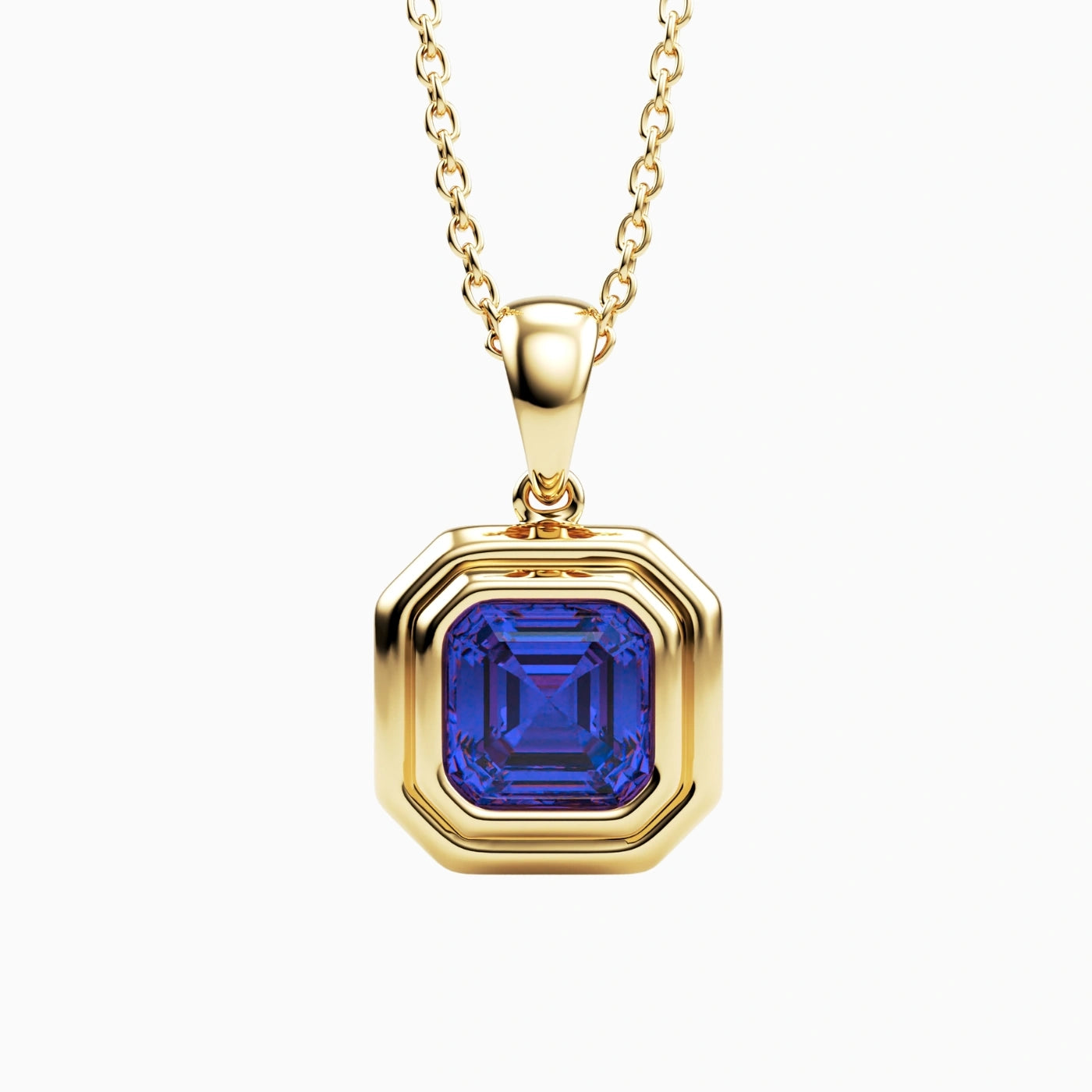
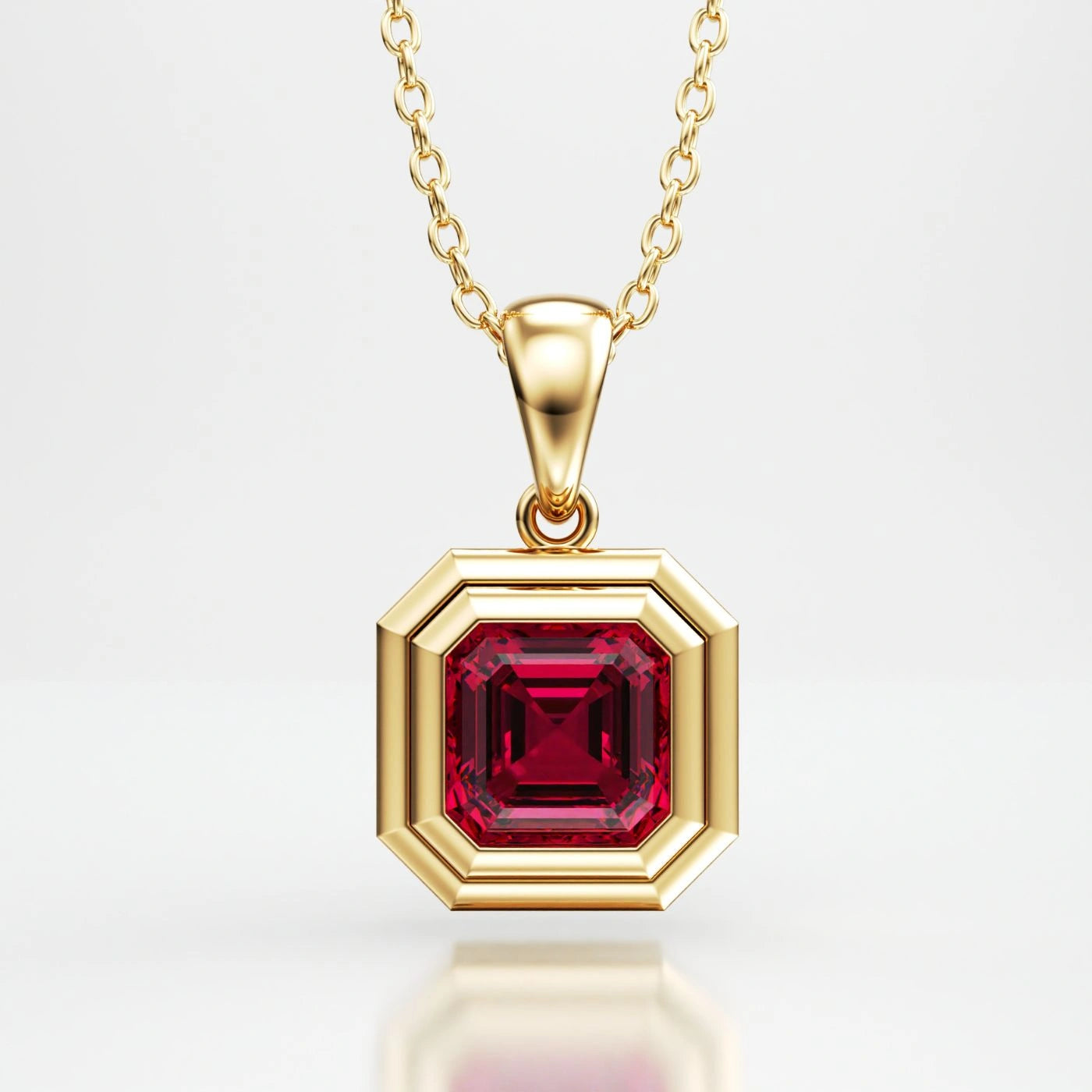
Asscher Pendant
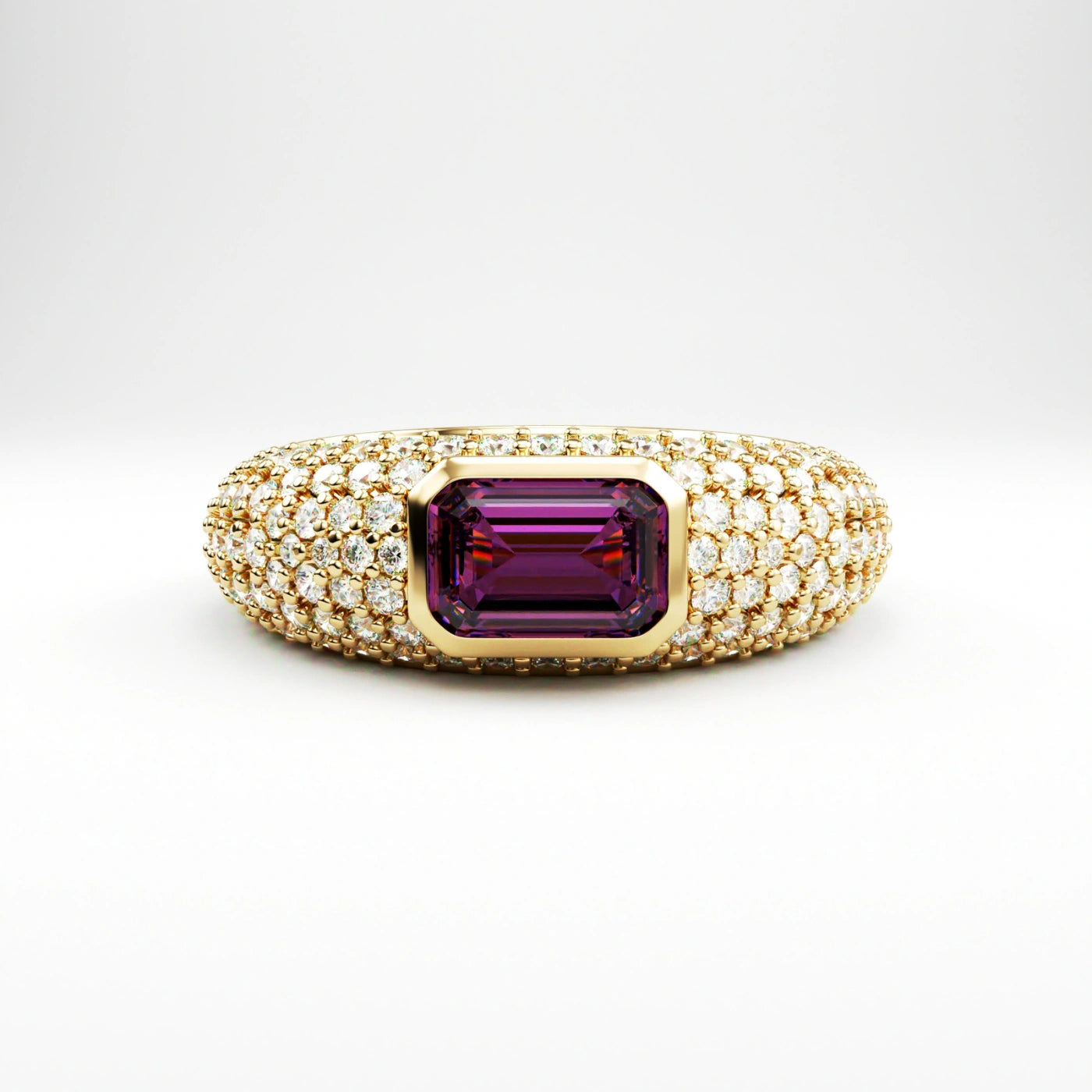
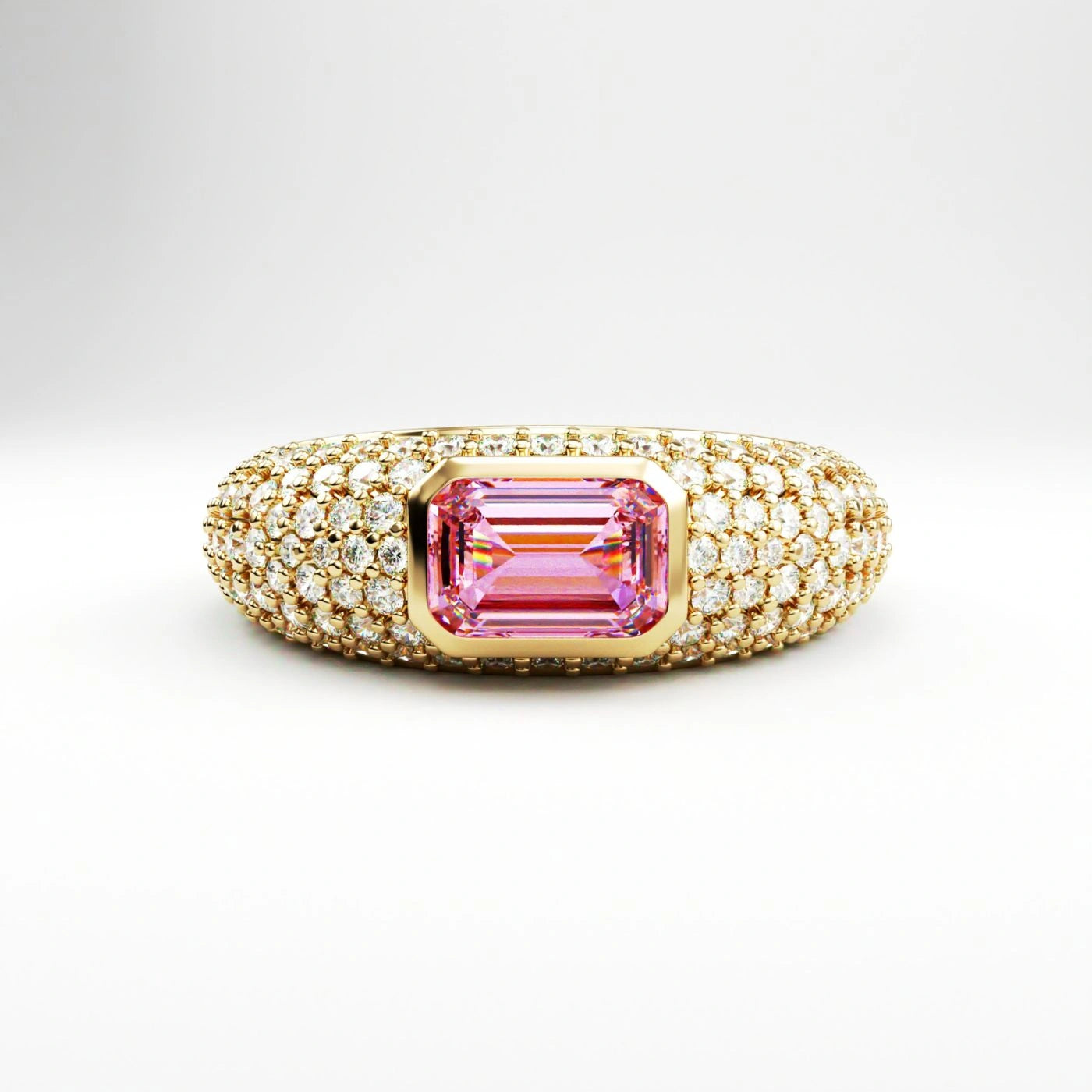
Bombe Ring

Written by Katie Silver