Layered, Personal, Effortless. Here’s How to Nail It.
Want to master the art of stacking name necklaces without looking overdone? This guide breaks it down with 10 smart tips, from choosing the right base to mixing lengths, fonts, and styles. Whether you’re going for bold, minimal, or somewhere in between, learn how to layer with confidence and make it truly yours.
How to Layer Name Necklaces: 10 Tips for the Perfect Stack
From choosing your base chain to mixing fonts, metals and lengths — everything you need to build a name necklace stack that feels considered, personal, and entirely yours.

Key Takeaways
- Start with one simple base A clean, minimal name necklace on a fine chain sets the tone and gives you room to layer everything else.
- Stagger the lengths Aim for visible space between each piece — a 16″ choker, 18″ collarbone, and 20–24″ longline is the reliable formula.
- Commit to one metal family Yellow, white, or rose — anchor the stack to one tone before mixing in a deliberate accent piece.
- Two to four pieces is the sweet spot Anything more reads as clutter. Restraint is the hallmark of a considered stack.
- Medium nameplates layer best Plates between 25–40mm are large enough to read, small enough to share the neckline.
- Add personal touches A child's name, a birthstone, or an initial charm turns a stack into something only you could wear.
In This Guide
- Chapter I The Foundation — your base chain, length variation, and the metal palette that holds it all together.
- Chapter II Making It Yours — fonts, sizes, personalisation, and the supporting pieces that complete a stack.
- Chapter III Styling & Restraint — avoiding overcrowding, mixing bold with delicate, and dressing for the occasion.
- Chapter IV FAQs & Atelier Notes — sizing details and the questions we hear most often.
The modern revival came in waves. The hip-hop nameplates of the eighties and nineties made bold gold lettering a cultural shorthand for self. Then came Carrie Bradshaw, in Sex and the City, with her dainty gold "Carrie" — and a quieter, more romantic version of the same idea took over the high street. Neither has really left.
What has changed is how we wear them. Layering has become the dominant grammar of modern jewellery, and the name necklace has become its protagonist. Below: ten tips for building a stack that feels intentional rather than improvised — pulled from years of advising clients on how to wear pieces they'll keep for life.
Also read: Name Necklace Trends — What's Hot This Year
The Foundation
Start With a Simple Base
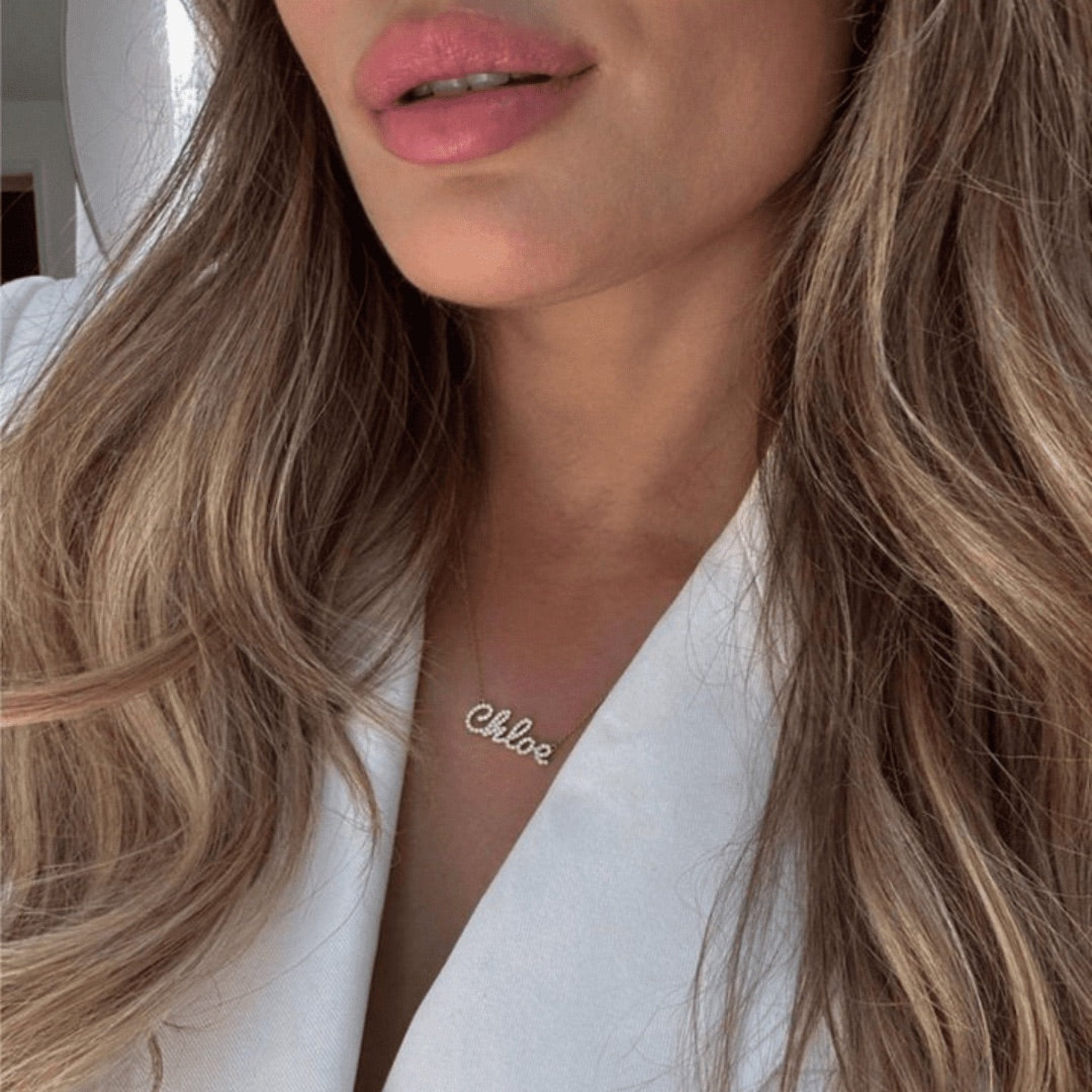
Every considered stack begins with a single, quiet piece. Start with a clean, minimalist name necklace on a fine chain — delicate lettering, timeless proportions. Think of it as a blank canvas: it sets the tone for everything you add later, and dictates how much room you have to play.
It can be your own name, a partner's, a child's, or a single word that means something only to you. Pick something you'd happily wear on its own — because some days, you will.
Also read: Top Picks for Name Necklaces Inspired by Sex and the City

Mix Up the Lengths
The most common layering mistake is monotony — every chain at almost the same length, all sitting on top of each other. The fix is space. Stagger your lengths so each piece reads on its own line.
A reliable formula: a choker or short collar (14–16″), a mid-length name necklace at the collarbone (18″), and a longer chain or pendant beneath it (20–24″). Adjustable chains help you find the sweet spot without committing.
For example, a personalised name necklace at 16″ sits high on the collarbone, a fine link chain with a charm or second initial drops to 18″, and a longline pendant — perhaps a dog tag or coin — finishes the composition at 22″.

For the long version: Layering Your Necklaces is the Vibe
Choose Complementary Metals
Metal is the single biggest decision in a stack. Get it right and the whole composition feels deliberate; get it wrong and it reads as accidental.
The classical approach is to commit to one tone. Yellow gold sits warmly against most skin tones and reads as inheritance; white gold and silver feel cooler and more contemporary; rose gold softens both. Stay within one family and you almost can't go wrong.
Mixing metals is fair game, but it should feel chosen rather than confused. Pick a dominant tone — say, yellow gold — and use the second metal as a deliberate accent on a single piece. Avoid pairing high polish with heavy matte; the eye reads them as a mistake.
Also read: Which is Better for Name Necklaces: Gold or Silver?
Making It Yours
Try Different Fonts & Sizes
Name necklaces are no longer a single style. Cursive script still leads the field — and rightly so — but block lettering, gothic capitals, and handwritten signatures all sit beautifully alongside it. Mixing fonts is what gives a stack its personality.
The same goes for scale. One bold, sculptural plate paired with a small, fine-script second name reads as composed; two large nameplates competing for the same space reads as crowded. Keep it legible — that's the whole point.

Also read: How to Choose the Right Font for Your Diamond Initial Necklace
Add Personal Touches
The whole appeal of a name necklace is meaning — so the most powerful stacks lean into it rather than away from it. A nickname, a partner's name, a child's, an anniversary date in numerals: each one tells a piece of your story.
You can dial up the personalisation with small additions. A birthstone set into one of the chains. A single initial charm on the longest layer. An engraved coin with a date only you and one other person know. These are the details that make a stack unmistakably yours.
Also read: 5 Heartwarming Reasons to Get a Necklace with Your Child's Name
Pick Complementary Pieces
The non-name pieces in your stack do quiet but important work. They give the eye somewhere to rest between the lettered plates and stop the composition from feeling top-heavy.
Texture matters here. A fine cable chain reads softly against a flat herringbone; a delicate bar pendant balances a heavier nameplate. Keep at least one chain visibly simpler than the rest — it's the styling equivalent of a plain shirt under a printed jacket.
Also read: 7 Different Styles of Gold Chains and How to Wear Them
Styling & Restraint
Avoid Overcrowding the Neckline
Restraint is the hallmark of a good stack. Two to four necklaces is the sweet spot — enough to feel layered, not so many that the pieces tangle or argue.
You're aiming for visible breathing room between each layer, so every piece is read on its own. If you want more pieces in the rotation, build a small wardrobe of stacks rather than wearing them all at once.

Mix Casual & Bold
Contrast is the friend of a great stack. A delicate, fine-script nameplate next to a chunky rope or Cuban link chain creates a dialogue — the bold piece becomes the frame, the dainty piece becomes the focus.
The trick is restraint with the bold piece: one statement chain per stack is plenty. Two heavy chains together flatten the composition and steal attention from the name itself.
Dress for the Occasion
A stack should feel right for the room. For everyday wear, keep it light — a single name necklace with one fine chain or pendant. For the office, choose thin, elegant layers that don't catch on collars or compete with conversation.
Evenings and formal events forgive — and even reward — more shine and volume. A bold chain, an engraved pendant, or a stone-set piece reads beautifully under low light. Just keep the arrangement tidy: opulence works, chaos doesn't.
Also read: 5 Minimalist Necklaces That Pair Perfectly with Office Attire
Experiment Over Time
The best stacks aren't built in an afternoon. They're collected. A piece for a milestone, another for a child, a third bought to mark something quietly meaningful — and over months and years, a personal collection emerges.
Try things. Swap fonts. Add a metal you've never worn. Discover that three was perfect and a fourth was one too many. The stack that finally feels right is the one that became yours through trial.
Sizing & Styling Details
A few practical notes from the workshop — the small decisions that separate a stack that almost works from one that does.
| Element | Recommendation | Why It Works |
|---|---|---|
| Nameplate width | 25–40mm | Reads clearly without dominating |
| Base chain length | 16″ – 18″ | Sits on or just below the collarbone |
| Stack count | 2 – 4 pieces | Layered without tangling |
| Chain styles | Cable, rolo, box | Layer cleanly without bulk |
| Statement piece | One per stack | Frames the lettering as the focus |
For everyday wear with a T-shirt, button-up, or blazer, keep pendants subtle. Save statement pieces and gemstone chains for evenings, when low light flatters them most.
Frequently Asked Questions
Everything Else Worth Knowing
What necklace is Coleen Rooney wearing?
Coleen Rooney has been seen wearing layered gold name necklaces featuring her children's names. To recreate the look, combine several dainty gold pieces in different fonts and slightly different chain lengths, so each plate sits clearly on its own line.
Can I wear multiple name necklaces at once?
Yes — and it's the look right now. Two to four name necklaces is the sweet spot. Vary the chain lengths, mix fonts and plate sizes, and keep the metal palette intentional, so each piece reads on its own without tangling.
How do I build the perfect name necklace stack?
Start with a simple base chain, layer in different lengths from choker to longline, mix complementary metals and finishes, vary fonts and plate sizes, and add personal touches such as birthstones or charms. Keep two to four pieces total and leave visible space between each one.
How tight should a name necklace be?
A name necklace should sit comfortably on the collarbone or just below — never tight enough to mark the skin, but secure enough that the plate stays centred. Most people prefer 16″ to 18″ for a base layer, with longer chains stacked above and below.
Is a name necklace a good gift for a girlfriend?
It's hard to go wrong with a personalised name necklace, but choose her name, a meaningful word, or a date that belongs to the two of you rather than your own — the gesture lands better when the piece feels written for her.
What size name necklace is best for layering?
Medium-sized nameplates between 25mm and 40mm wide are ideal for layering. They are large enough to read clearly but small enough to sit alongside other pieces without dominating the neckline.
The Conclusion
The perfect stack isn't a formula — it's a balancing act. Restraint with the count, intention with the metals, variation with the lengths, and meaning with the pieces themselves. Get those four right and almost any combination will work.
The biggest tip we'd give is the simplest: have fun with it. The stack that finally feels like yours is built thoughtfully and personally over time, not assembled in a single shopping trip.
When you're ready to start, browse Argent & Asher's custom name necklaces — handcrafted in our London atelier, hallmarked, and built to wear for life.
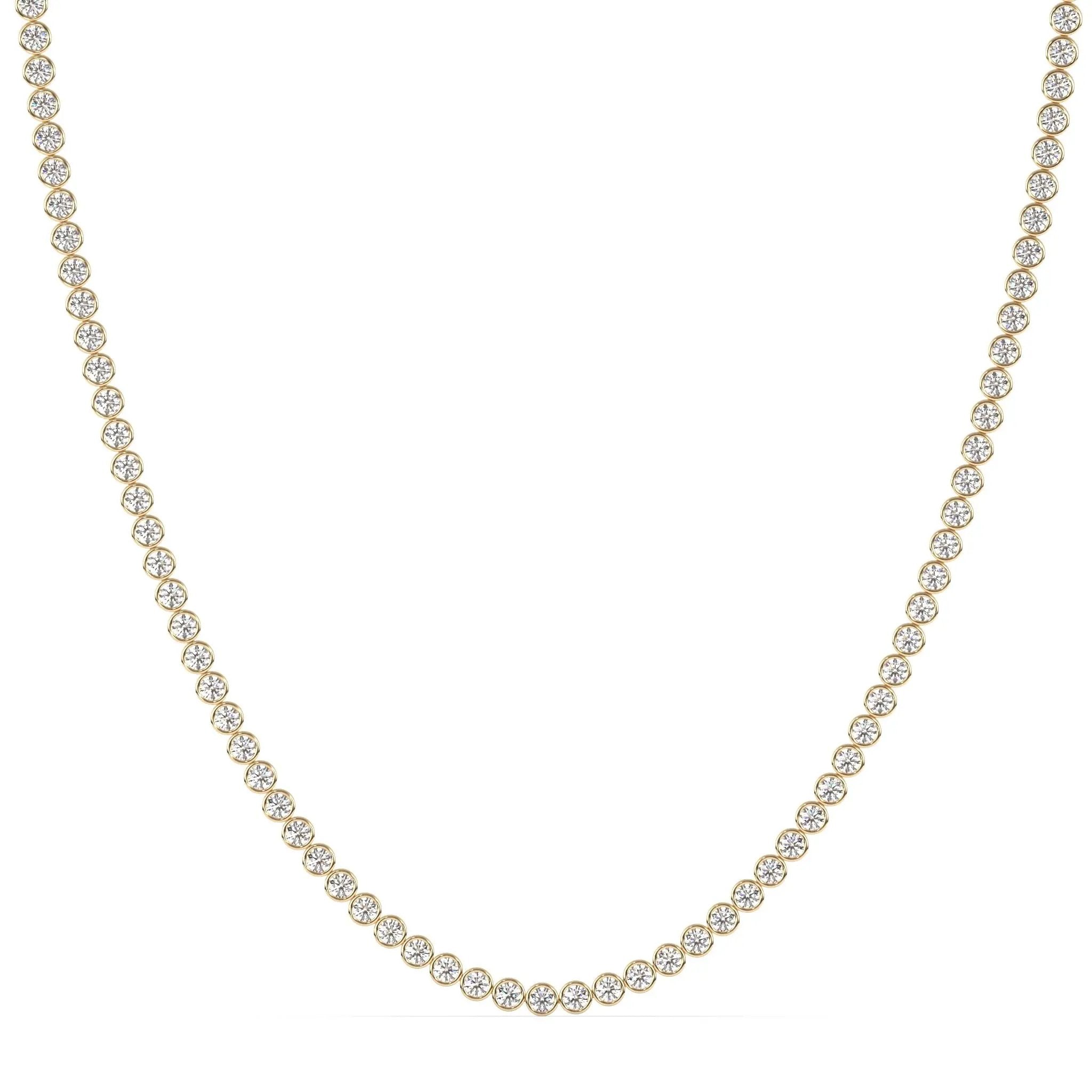
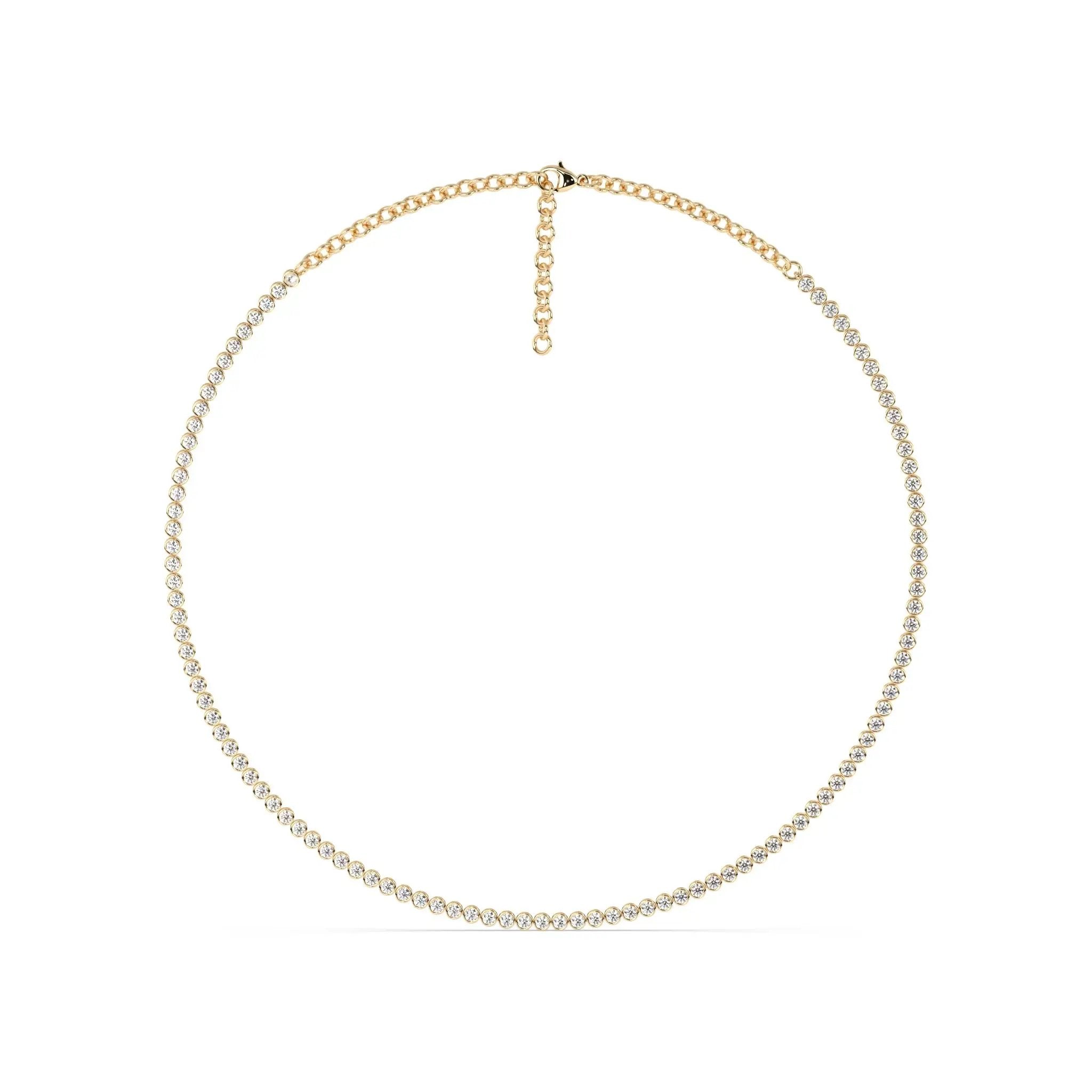
Bezel Set Diamond Tennis Necklace
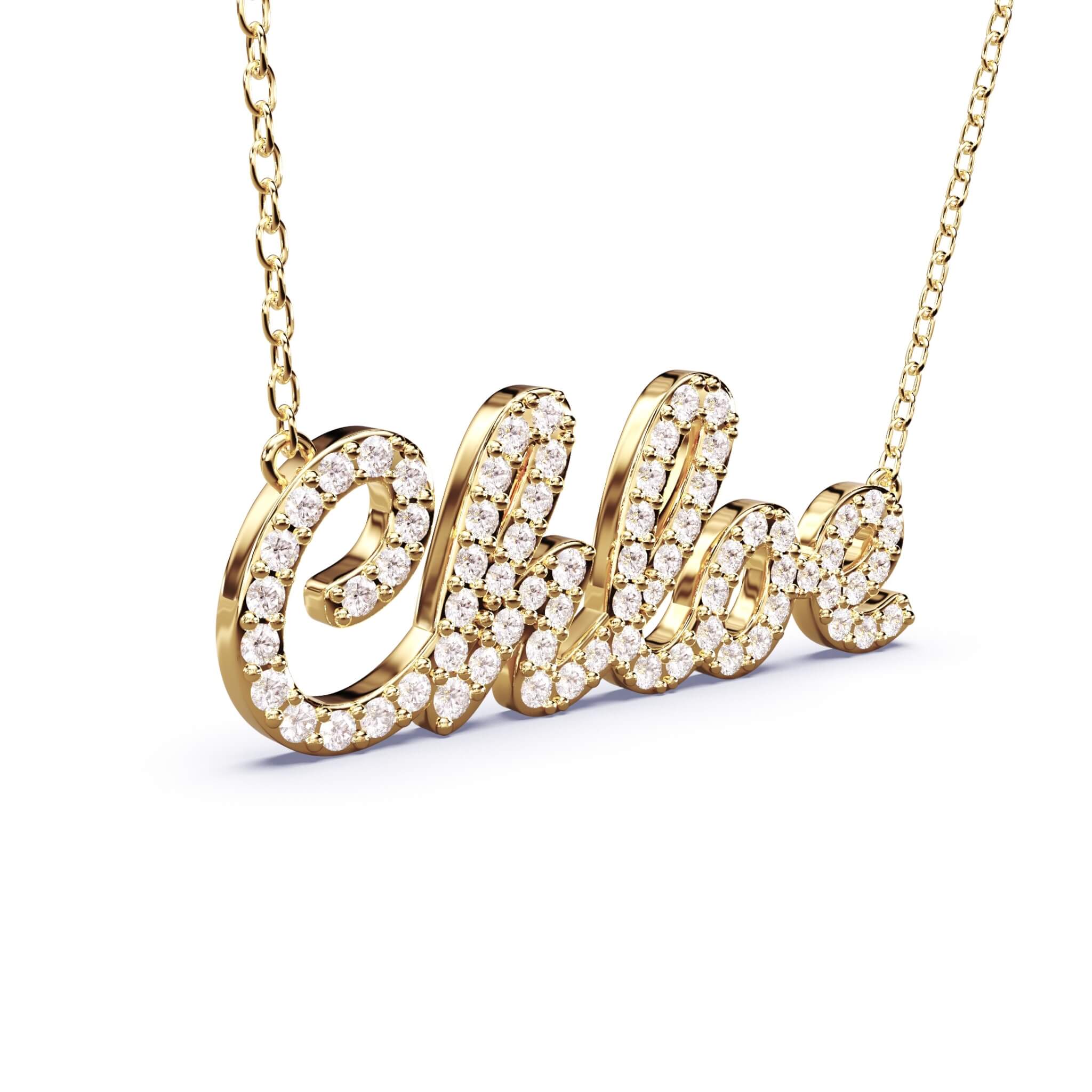
Classic Diamond Name Necklace

Written by Katie Silver