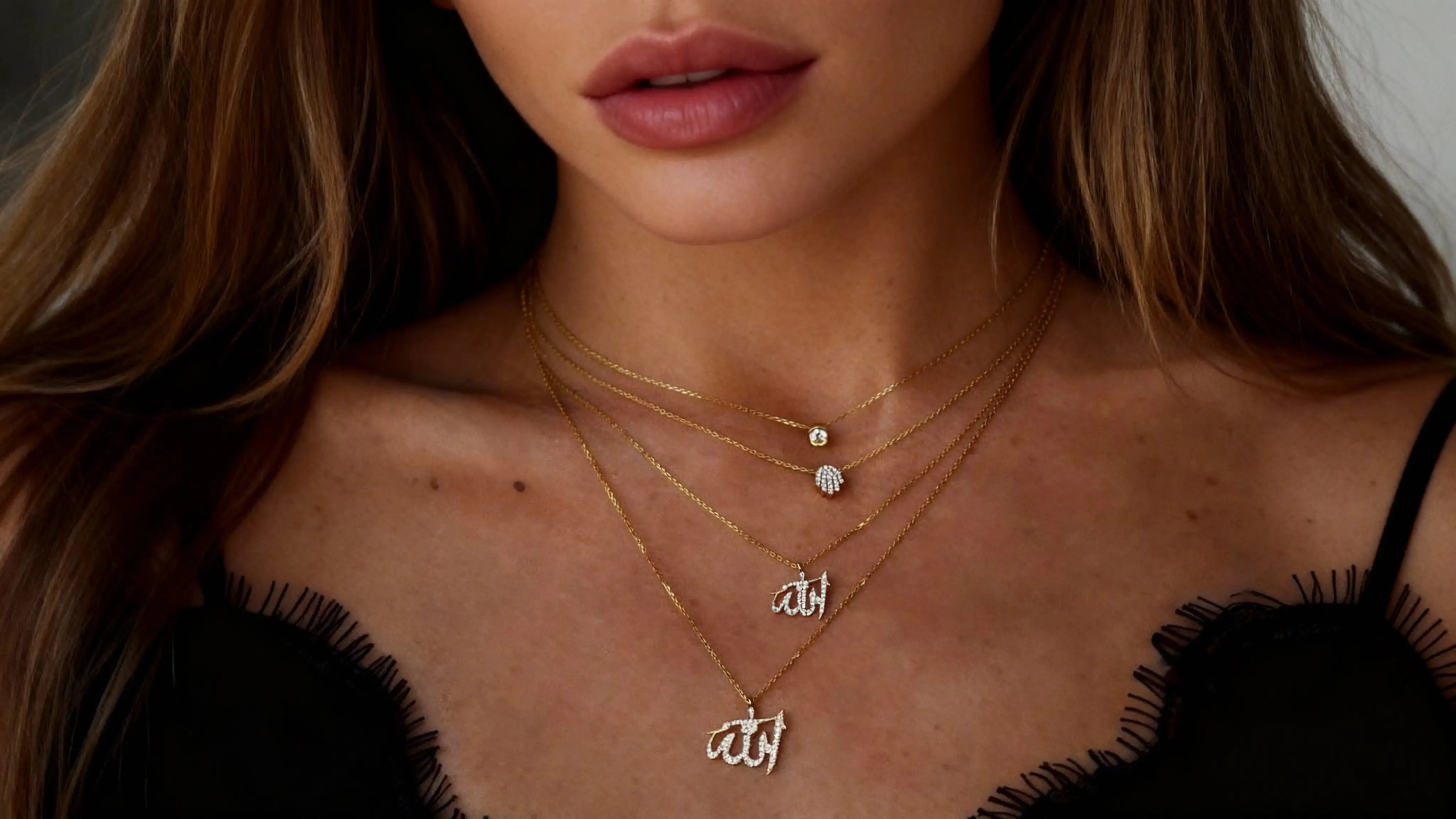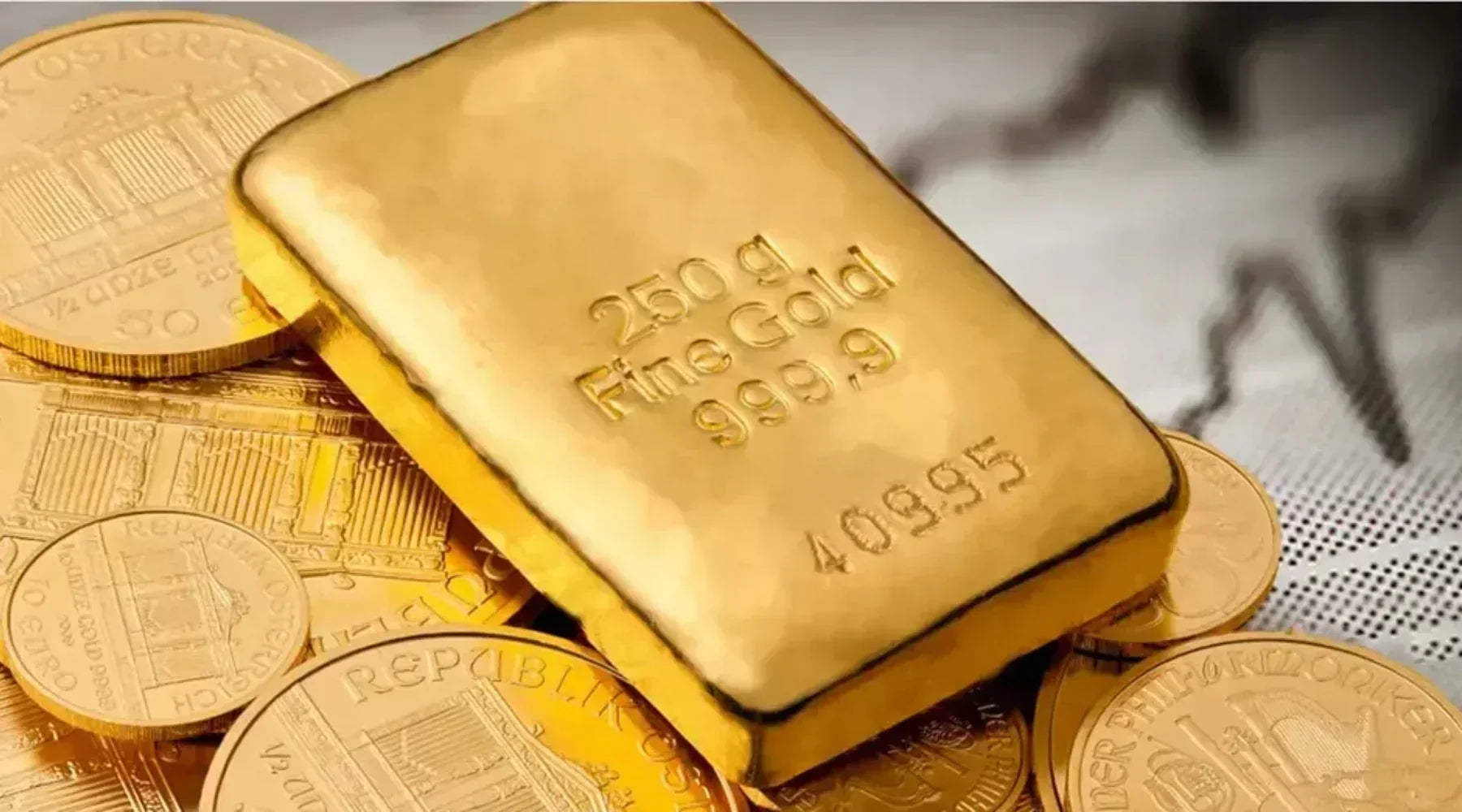
Why do so many jewellers call 18K gold the perfect balance? From pure 24K’s softness to the toughness of lower karats, 18K sits right in the middle, but is it really the best choice for jewellery you’ll wear every day?
Is 18ct Gold Good? Price, Durability & Value
18ct gold sits between softer 24ct and tougher 14ct — rich in colour, strong enough for daily wear, and priced to match. Here's what actually determines whether it's worth it.

Key Takeaways
- 18ct is 75% pure gold 18 parts gold to 6 parts alloy — richer in colour than 14ct, tougher than 22ct or 24ct.
- It won't tarnish, but it will scratch Gold itself doesn't corrode — the alloy content can dull slightly, and the surface can mark with knocks.
- The hallmark is "750" Genuine UK 18ct gold carries a 750 fineness stamp alongside an assay office mark.
- Price moves daily Gold is traded globally, so cost per gram shifts constantly — always check a live rate, not a fixed figure.
- 14ct for constant wear, 18ct for most things If a ring never comes off, 14ct is the tougher call — everything else, 18ct earns its keep.
- It holds resale value well Higher purity means a jeweller can weigh and value it more generously than lower-karat pieces.
In This Guide
- Chapter I What 18ct Gold Actually Is — composition, the karat scale, and the hallmark that proves it.
- Chapter II What 18ct Gold Costs — price per gram, what you're actually paying for, and resale value.
- Chapter III Living With 18ct Gold — durability by piece, tarnish, hypoallergenic claims, and care.
- The Details FAQs — 18ct vs 14ct, spotting fakes, and whether it's worth the price.
An alloy is simply gold mixed with other metals — copper, silver, palladium, depending on the shade you want. For the full breakdown of how that mix works, Also read: The Beginner's Guide to Understanding Gold Purity.
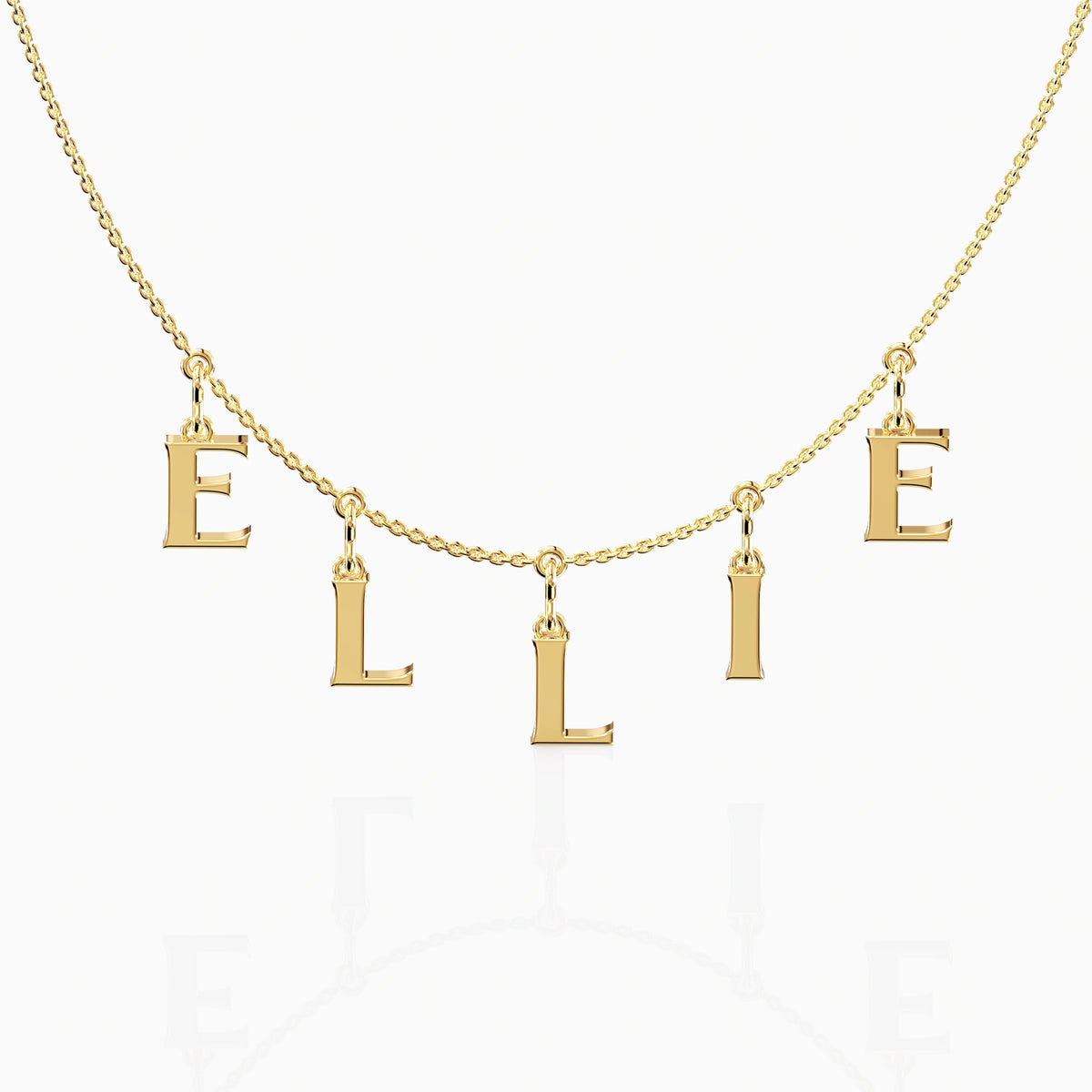
This guide covers what 18ct actually is, what it costs, and whether it holds up to daily life — including our own Custom Crest Name Necklace, made exclusively in 18ct.
What 18ct Gold Actually Is
18 Parts Gold, Six Parts Everything Else
The karat scale runs to 24. 18ct gold is 18 parts gold out of 24 — 75% pure — with the remaining quarter made up of copper, silver, palladium or a mix, depending on whether you want yellow, rose or white gold. Those alloy metals aren't padding; they're doing the structural work pure gold can't do on its own.
24ct is the purest form and, honestly, the least practical — it marks and bends under normal handling. 22ct keeps much of that softness and turns up mostly in traditional and bridal pieces. 14ct trades colour for toughness at the other end. 18ct is the point in between: visibly richer than 14ct, meaningfully sturdier than 22ct or 24ct.

Is 18ct Gold Real?
Yes — solid 18ct gold is genuine gold through and through, which is the thing that separates it from gold-plated jewellery. Plating bonds a thin layer of gold onto a base metal like brass; it looks convincing on day one and wears through with use, exposing the metal underneath. Solid 18ct doesn't have that failure point.
In the UK, this is backed by law rather than just a maker's word. Jewellery over 1 gram must go to an Assay Office to be tested and hallmarked before it can legally be sold as gold. Once verified, it's stamped — for 18ct, that's a "750" fineness mark alongside the assay office's own mark. Also read: UK Government hallmarking guidance or our own guide to reading a gold hallmark.
Worth knowing: the alloy metals vary by maker, and some contain nickel, which can irritate sensitive skin. UK jewellers increasingly use palladium or other nickel-free alloys instead — it's a fair question to ask before you buy anything that sits directly against skin.

What 18ct Gold Costs
A Price That Moves Daily
Gold is traded globally, so its price per gram shifts constantly — more noticeably when the economy is uncertain, since gold is the asset people turn to when they want somewhere safe to put money. That means any fixed number we print here would be out of date within weeks.
Rather than guess, check today's figure in our own 18ct gold price tracker, which we keep current. What that page won't tell you is the rest of what you're paying for in a finished piece — design, craftsmanship, and the retailer's margin all sit on top of the raw metal value, which is why a branded piece and an anonymous one of identical weight rarely cost the same.
Does It Hold Its Value?
Better than most materials, and better than lower-karat gold. If you sell an 18ct piece, a jeweller weighs it and prices it against the current market rate, adjusted for that 75% purity — even a piece that's been worn hard still carries real scrap value, which isn't true of plated jewellery.
Design and craftsmanship can push the resale figure higher still — a well-made piece from a maker with a reputation typically sells for more than its scrap value alone. What it won't do is match the original purchase price pound for pound, since you paid for labour and design as well as metal. That's normal, not a mark against 18ct specifically.
Living With 18ct Gold
Rings, Chains and Everything Between
18ct copes well with daily life. Rings survive constant contact, bracelets take regular handling in stride, necklaces hold their shape without complaint, and earrings barely get touched at all, engagement rings are routinely worn in 18ct for decades with no real issue.
What it doesn't love is chemistry. Water alone won't touch it, but chlorine, shampoo and household cleaning products can dull the shine over time. If a ring genuinely never comes off — through washing up, the gym, everything 14ct is the more sensible choice for that one piece specifically. For most jewellery, worn most days but not permanently, 18ct earns its keep. Our own Classic Signet Ring is built to make that trade-off for you either way, in 9ct, 14ct or 18ct.
Does 18ct Gold Tarnish?
Gold itself doesn't corrode — it's why gold artefacts survive thousands of years in recognisable condition. But 18ct isn't pure gold; the 25% of alloy metal in the mix can react with air and moisture over time, which is what tarnish actually is. Because 18ct contains less alloy than 14ct or 9ct, it tarnishes less than either, and any dulling is almost always surface-level and easy to fix.
In short: yes, it can happen, but rarely and rarely badly. A wipe with a soft cloth after wearing, a proper clean with warm water and mild soap now and then, and taking it off before showers, washing up or the gym will keep it looking new for years. Also read: How to Clean Gold Jewellery Safely.
18ct Against Everything Else
| Karat | Gold Content | Character | Best For |
|---|---|---|---|
| 24ct | 99.9% | Deepest colour, very soft | Display, not daily wear |
| 22ct | 91.6% | Rich, traditionally used in bridal gold | Occasion pieces |
| 18ct | 75% | Warm glow, genuinely wearable | Most jewellery, most of the time |
| 14ct | 58.5% | Paler, noticeably tougher | Rings and bracelets that never come off |
| 9ct | 37.5% | Palest, hardest-wearing | Budget-conscious daily wear |

Everything Else Worth Knowing
Is 18ct gold good for everyday wear?
Yes, for most jewellery worn most days. The one exception is a ring or bracelet that genuinely never comes off — for that specific case, 14ct holds up better.
How much is 18ct gold per gram in the UK?
It changes daily because gold is traded globally. Check a live rate rather than a printed figure — our 18ct gold price guide tracks the current UK rate.
Is 18ct gold real gold?
Yes. It's 75% pure gold alloyed with other metals for strength — solid gold all the way through, not a plated layer over a base metal.
Does 18ct gold tarnish?
Rarely, and only slightly. Gold itself doesn't corrode, but the alloy content can dull over time with exposure to chemicals — a quick clean usually restores it fully.
What's the difference between 18ct and 14ct gold?
Purity and colour. 18ct is 75% gold with a warmer, richer tone; 14ct is 58.5% gold, paler, and noticeably more scratch-resistant for constant wear.
Is 18ct gold a good investment?
It holds resale value better than lower-karat gold, since a jeweller can weigh and value the higher gold content more generously. It won't match the original purchase price, though — you also paid for design and labour, which don't resell at the same rate.
How can I tell if 18ct gold is genuine?
Check for a UK hallmark — a "750" fineness stamp alongside an assay office mark, usually hidden inside a ring band or on a clasp. A magnet test is a quick home check (genuine gold isn't magnetic), but a hallmark from a reputable jeweller is the real guarantee.
18ct gold is quality you can actually live in — three-quarters pure, warm in colour, and built with just enough alloy to survive a ring or a chain being worn rather than admired from a box. The trade-off is price and a touch less hardness than 14ct. For most jewellery, worn most days, that trade is worth making.

Gold Name Chain

Written by Katie Silver