Buying fine jewellery online can feel like a leap of faith. You’re looking at beautiful photos and carefully written descriptions but you can’t feel the weight, inspect the claws, or see the hallmarks in person. When there are thousands of pounds involved, it’s natural to wonder: is this piece really what the website says it is?
As a jeweller and founder of Argent & Asher, I have spent years sourcing diamonds, gemstones and precious metals for clients who want pieces that last for generations. Along the way, she has seen both sides of online buying from beautifully made modern heirlooms to worryingly vague listings and near misses with unverified sellers.
This guide is part of the hub, The Ultimate Guide to Confidently Buying Fine Jewellery Online , and focuses on one crucial question: how do you authenticate fine jewellery before you buy it online?
Below, you’ll find a step-by-step authentication checklist, the key documents you should always ask for, and how Argent & Asher approach transparency so you can feel completely confident before you commit.
What Does “Authentic” Really Mean for Fine Jewellery?
When we talk about “authentic” fine jewellery, we’re talking about more than just “real gold” or “real diamonds”. Authenticity covers:
- The metal – is it solid gold, platinum or silver, and is it properly hallmarked?
- The stones – are the diamonds or gemstones what the description claims (natural, lab-grown, specific grades)?
- The maker and brand – is the jeweller who they say they are, with a traceable identity?
- The story – are certificates, valuations and invoices accurate and consistent with the piece in front of you?
When all four line up – metal, stones, maker and story you’re looking at a piece of jewellery you can feel confident in.
1. The 7-Step Checklist to Authenticate Fine Jewellery Online
Before you pay a deposit or click “checkout”, run through this simple seven-step checklist. It’s the same structure Katie Silver uses when advising Argent & Asher clients.
Step 1: Verify the jeweller’s identity
Start with the basics. Look for a registered business address, contact details, VAT number (if applicable) and social proof such as press features or memberships in recognised industry bodies. For UK-based businesses, memberships of organisations like the National Association of Jewellers can signal additional professionalism.
For a deeper dive into website safety, you can also read: 5 Red Flags of Fake Jewellery Websites (UK Edition) .
Step 2: Check for clear hallmark information
Any genuine fine jewellery seller should be transparent about hallmarks. In the UK, precious metal items over certain weights must be hallmarked by law, and reputable jewellers are happy to show close-up photos of those marks or explain what they mean.
For official guidance, the Assay Offices explain UK hallmarks in detail: Assay Office London – Hallmarks Explained .
Step 3: Verify diamond or gemstone certificates
For significant diamonds and some coloured stones, certification is a key part of authentication. Look for grading reports from recognised laboratories – particularly GIA and IGI. The report number should match the certificate and, ideally, be laser-inscribed on the stone itself.
Always verify the report number directly on the lab’s website before you buy:
For more detail on choosing certifications, see: Can You Trust Diamond Certificates Online? (GIA vs Others, Verification Steps) .
Step 4: Compare description, photos and video closely
Authentic jewellery listings feel consistent. The metal, stones and dimensions in the description should match what you see in the photos and any videos. Look for natural light shots, close-ups of settings and hallmarks, and macro images that show detail instead of hiding it.
If the photos feel too generic, heavily filtered or identical to other websites, treat it as a warning sign. You can explore this further in: The Photo Trap: How to Judge Jewellery Quality from Photos & Video .
Step 5: Ask direct questions – and read the response carefully
A trustworthy jeweller should be happy to answer questions such as:
- “Which Assay Office has hallmarked this piece?”
- “Is this diamond natural or lab-grown?”
- “Can you confirm which lab graded this stone and share the report number?”
- “Do you offer valuations or documentation with the finished piece?”
Clear, confident answers are a positive sign. Vague or evasive replies suggest you should reconsider.
Step 6: Look for consistent paperwork
For higher-value pieces, authentication is supported by documents that agree with each other: invoices, certificates, valuations and sometimes workshop notes. Look for consistency in carat weights, metal, diamond grades and dates.
Step 7: Cross-check with your gut – and walk away if needed
If anything feels “off” – rushed communication, sudden price drops, or reluctance to answer basic questions pay attention to that feeling. There is always another piece of jewellery. Authentication isn’t about paranoia; it’s about feeling calm and confident before you buy.
2. How Argent & Asher Makes Authentication Easy
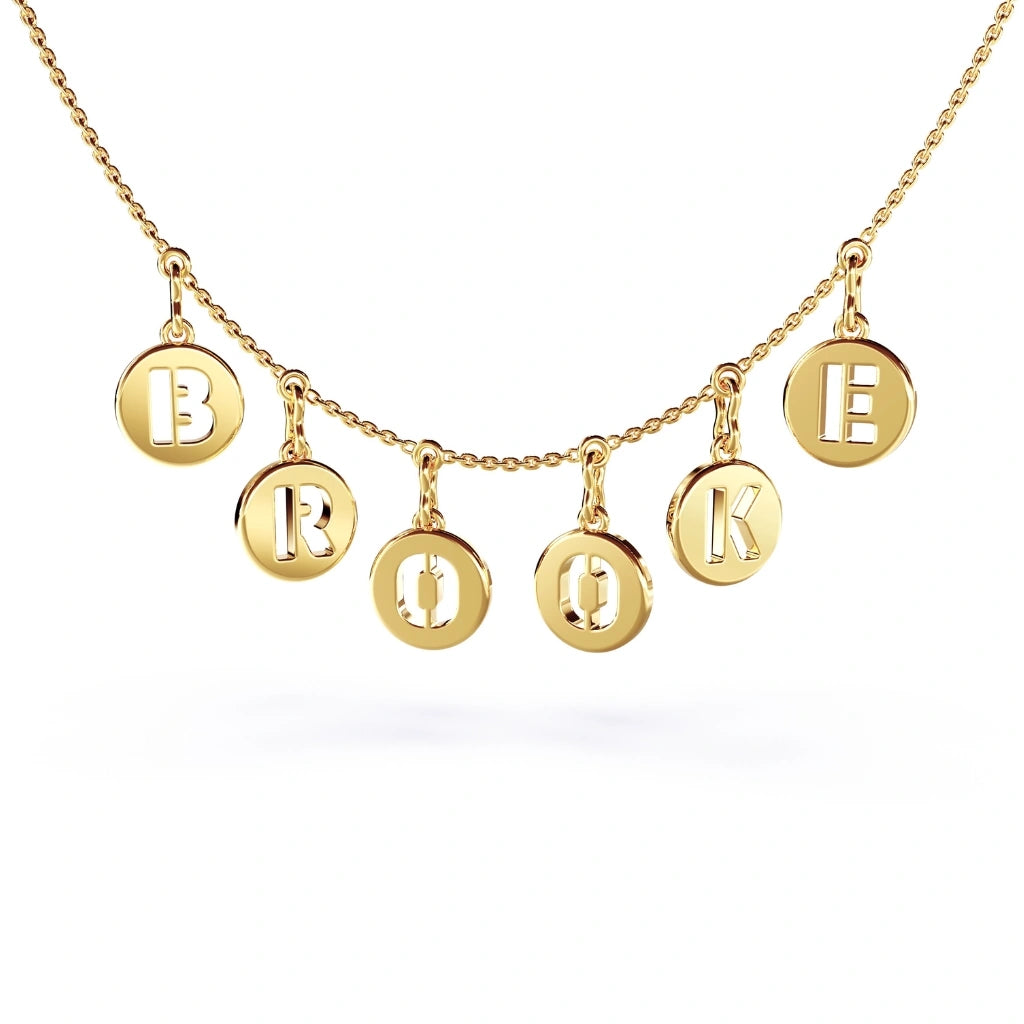
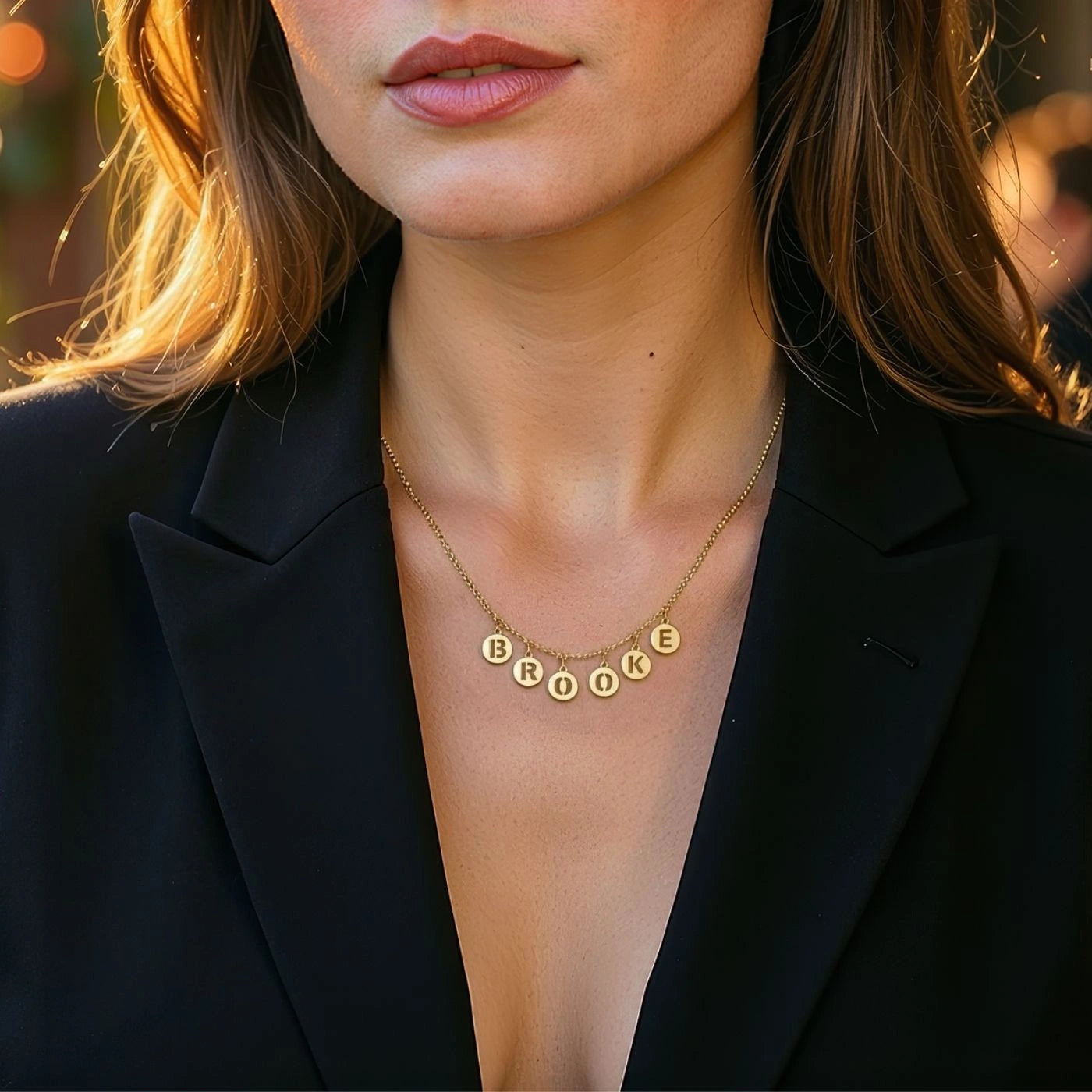
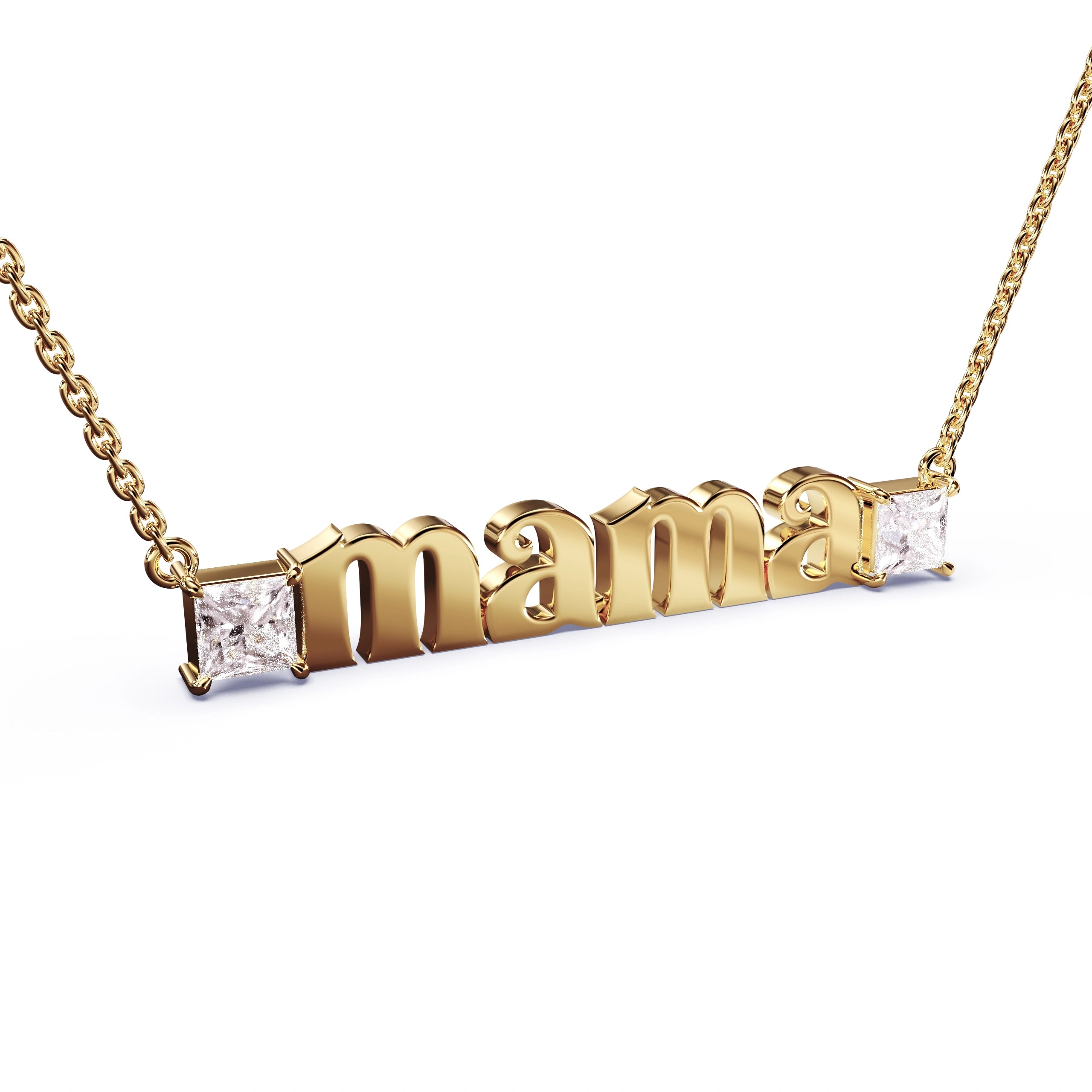
At Argent & Asher, the goal is simple: you should never have to chase authentication. For personalised name necklaces, diamond name necklaces and bespoke heirloom pieces, clarity is built in from the very beginning.
- Clear metal descriptions – every piece specifies 9k or 18k gold (or platinum) and is hallmarked as required under UK law.
- Trusted diamond and gemstone sourcing – stones are chosen from reputable suppliers, with grading reports on significant diamonds and key stones.
- Design previews before creation – especially for personalised name and diamond name necklaces, layouts are agreed in advance, reducing the risk of misunderstandings.
- Transparent documentation – you know what you’re buying, why it’s priced as it is, and what paperwork comes with the finished piece.
For clients who want extra reassurance, there is also the option to discuss independent valuations or additional reports once the piece is complete – especially for milestone heirlooms.
3. What to Do if You’re Unsure a Jewellery Listing Is Genuine
Even with the best checklist, some listings still leave you uncertain. If you’re hesitating over whether a piece is genuine, here’s a calm way to move forward:
- Ask for more information – request clearer photos, hallmark images or a copy of any grading reports.
- Check the business elsewhere – look for consistent details across Companies House, social media and review platforms.
- Consider paying for an independent opinion – especially on high-value stones, a local jeweller or valuer can sometimes advise if a deal seems realistic.
- Be wary of pressure – limited-time offers are normal; pressure to decide without basic information is not.
If you suspect you’ve come across an outright scam or fraudulent site, you can report it to the UK’s national fraud centre: Action Fraud – Report Fraud and Cyber Crime .
For more help spotting suspicious sites, you may also find it useful to read: The Top 7 Online Jewellery Scams (and How to Avoid Them) .
4. Quick Reference: Authenticating Fine Jewellery Online
| Check | What to Look For | Why It Matters |
|---|---|---|
| Hallmarks | Clear UK hallmarks on gold, silver, platinum and palladium above exemption weights | Confirms metal type and purity have been independently tested |
| Diamond / stone certificates | GIA / IGI / reputable lab report; verified online | Gives objective grading and reduces guesswork |
| Seller identity | Registered business details, contact information, traceable online presence | Makes it easier to resolve issues or ask questions |
| Listing consistency | Photos, video and description all match; no contradictions | Helps you avoid misleading or recycled imagery |
| Documentation | Invoices, certificates and valuations that agree on key details | Creates a paper trail you can rely on for insurance and resale |
FAQs: Authenticating Fine Jewellery Before You Buy Online
How can I check if an online jeweller is legitimate?
Look for a registered business address, clear contact details, consistent branding across platforms and, ideally, membership in recognised trade bodies. Genuine jewellers are usually transparent about who they are and where they work from, and they respond clearly to questions about materials and processes.
How do I verify a diamond certificate online?
First, locate the certificate number on the report. Then, enter it directly on the grading lab’s website for example, using GIA Report Check or IGI’s report verification tool. Check that the carat weight, shape and grades shown online match the document and the stone you’ve been offered.
Do all genuine gold pieces have a hallmark?
In the UK, most gold, silver, platinum and palladium items above certain small weight thresholds must be hallmarked by law. There are a few exceptions and vintage cases, but for modern fine jewellery a clear hallmark from a UK Assay Office is an important part of authentication.
Is a GIA or IGI certificate essential for every piece?
For significant diamonds, a GIA or IGI report is strongly recommended because it provides independent grading. For smaller stones, pavé settings or certain coloured gemstones, a certificate may not always be practical or necessary in those cases you’re relying more on the jeweller’s expertise, documentation and reputation.
What should I do if I suspect a jewellery website is fake?
Do not send further payments or share more personal information. Take screenshots of the listing and communications, contact your bank or card provider for advice, and report the site to Action Fraud. If the price or claims seem too good to be true, it’s usually best to walk away.
Buying Fine Jewellery Online With Confidence
Authenticating fine jewellery before you buy online isn’t about becoming a gemmologist overnight. It’s about knowing which questions to ask, which documents to check and when to step away from something that doesn’t quite add up.
When you combine clear hallmarks, trusted certification, a transparent jeweller and consistent documentation, you give yourself the best chance of owning a piece that truly matches its story and that you’ll feel proud to wear for years to come.
If you’d like your next name necklace, diamond name necklace or bespoke heirloom to come with that level of clarity built in from day one, you can start by exploring:
- The Best 15 Questions to Ask Before Ordering Jewellery Online
- Discover diamond name necklaces
- Start a bespoke personalised design
All information in this guide is based on publicly available resources and professional jewellery experience. Brand and lab examples are used illustratively; always check the latest guidance from official bodies and grading laboratories.