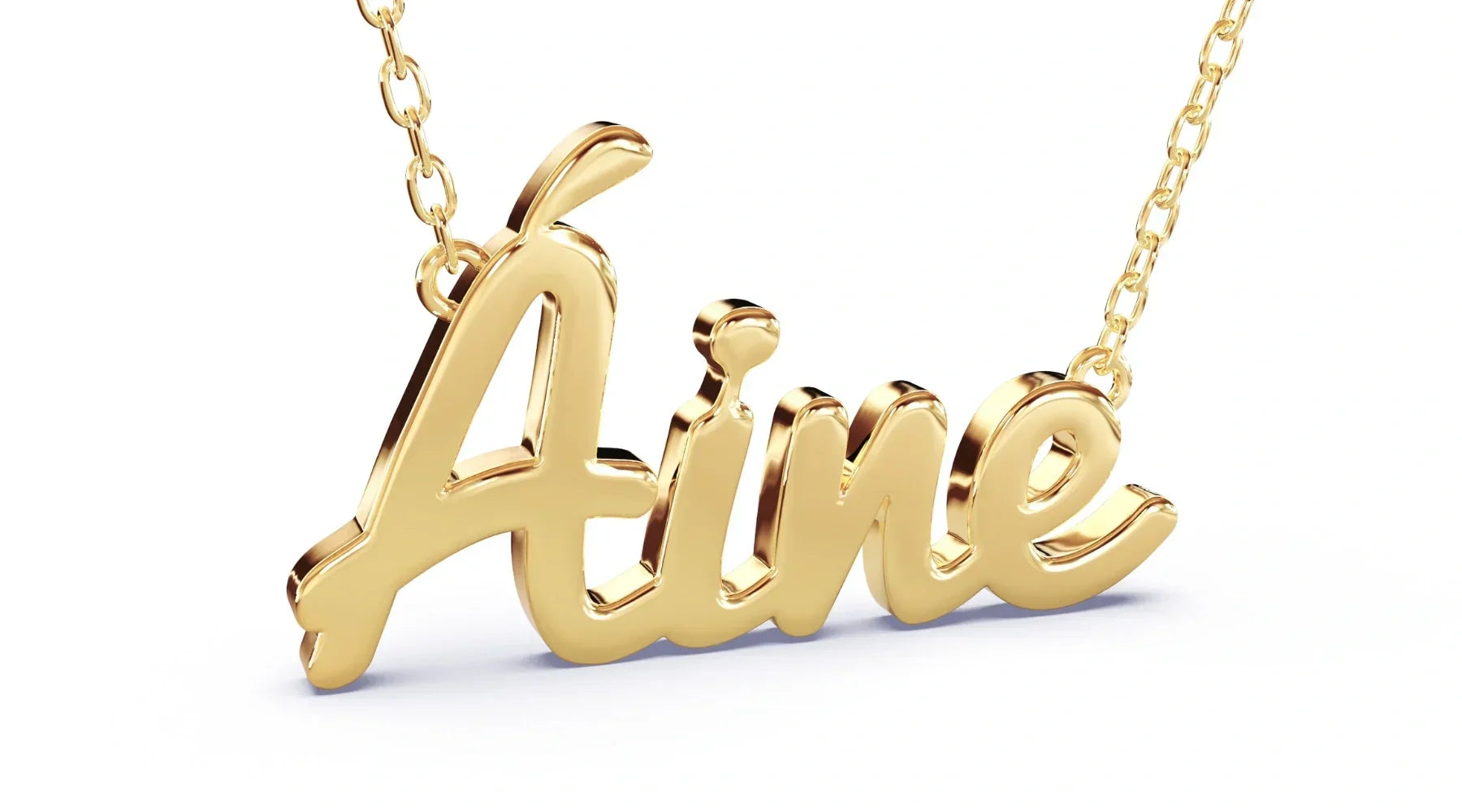
Buying fine jewellery online is supposed to feel exciting – you’ve found a piece that speaks to you, you’re picturing how it’ll look on your skin, and you’re imagining the moment you finally open the box.
But in the background, online jewellery scams are getting sharper every year. Fake websites are borrowing the language and imagery of genuine jewellers. Social media ads make mass-produced pieces look like handcrafted one-offs. And some scams don’t just target your money – they try to steal your personal data too.
I’ve had so many messages from people who almost clicked “buy” on something that didn’t feel quite right. Sometimes they’ve already been caught out and are trying to understand what happened. Other times they simply want a second pair of eyes on a website, a certificate, or a deal that looks “too good to be true”.
This guide pulls together the seven online jewellery scams I see most often – and the simple ways you can avoid them.

1. Fake Jewellery Websites With No Real Business Behind Them
The first – and most common online jewellery scam is the fake website that looks polished on the surface but has no real company behind it.
These sites often have:
- Beautiful stock photography and lifestyle imagery
- Vague “About” pages with no real story
- No full UK address or company registration details
- Contact forms only – no email linked to the domain, no phone number
- Copy that feels generic or translated
I’ve seen websites using stolen photos of high-end diamond jewellery, claiming everything is handmade in a “London workshop”, but there’s no address, no hallmark information, and no studio pictures. When you dig deeper, the same images appear on completely different sites.
Red flags to watch for:
- No registered company name or number
- No physical address you can verify
- A free Gmail or Outlook address for “customer support”
- Spelling mistakes and inconsistent branding
How to protect yourself:
- Search the company name plus “reviews” and “scam”
- Check Companies House to see if the business actually exists
- Look for a proper business email on the brand domain
- Be suspicious if you can’t find any trace of the jeweller outside their own website

2. The “Bank Transfer Only” or “Discount for Bank Transfer” Scam
This is one of the most dangerous jewellery scams, because once the money has gone, it’s very hard to get it back.
Here’s how it usually works:
- You see a beautiful piece – perhaps a diamond ring or gold name necklace – at a great price.
- At checkout, the “card” option mysteriously fails, or the seller emails you to say there’s a problem with their payment gateway.
- They offer you a “special price” if you pay by bank transfer instead.
- Once you send the money, communication becomes slow… and then stops completely.
I once spoke to someone who had sent a four-figure “deposit” for an engagement ring via bank transfer, encouraged by the promise of an extra discount. The website looked legitimate, but there was no company behind it. By the time he realised, the money was long gone.
Red flags to watch for:
- “Card machine is down, please pay by bank transfer”
- Extra discount offered only if you pay by bank transfer
- Requests to pay via WhatsApp, Instagram DM, or another off-site method
- No clear invoice or order confirmation
How to protect yourself:
- Insist on paying by credit card for stronger consumer protection
- Avoid sites that push you towards bank transfer or crypto “for a better price”
- If you feel pressured, step away – no reputable jeweller rushes you into unsafe payment methods
3. Missing, Fake or Misleading Hallmarks
Hallmarks are your legal guarantee of metal purity in the UK. They’re applied by independent Assay Offices – not by the jeweller themselves.
Scammers know that most people don’t fully understand hallmarking, so they play in that grey area. Some common tricks:
- Showing a random hallmark image that doesn’t belong to the piece for sale
- Using fake “stamps” that look engraved rather than struck
- Listing “18k gold” in the title but only mentioning plating in tiny text
- Adding confusing marks like “GP” (gold plated) and hoping you won’t notice
I once examined a “solid 18k gold” bracelet a customer had bought online for a suspiciously low price. It had no UK hallmark at all, only a small “GP” stamp. The website had showcased a large, official-looking hallmark image but that mark never appeared on the actual bracelet.
Red flags to watch for:
- No hallmark photo anywhere on the product page
- Vague “gold jewellery” wording with no carat or fineness number
- Obvious mismatch between the hallmark image and the piece
- Hallmarks that look engraved, printed or laser-etched in a crude way
How to protect yourself:
- Check that gold over 1g, silver over 7.78g, platinum over 0.5g and palladium over 1g are properly hallmarked
- Look for clear fineness marks (e.g. 375, 585, 750, 916) plus an Assay Office mark
- Be wary of “gold tone”, “gold filled”, “heavy gold electroplate” if you want solid gold
4. Counterfeit or Misused Diamond Certificates
A diamond certificate should give you clarity and confidence. In some scams, it’s used to do the opposite.
Here’s how this scam often works:
- The seller presents a “GIA” or “IGI” certificate that looks official
- The report number either doesn’t exist, or belongs to a completely different stone
- The certificate is genuine, but the diamond you receive doesn’t match the grades
I’ve had people send me photos of certificates where the report number is real, but the stone in the ring is clearly smaller or of weaker colour/clarity than the report claims. Sometimes they’ve bought the ring abroad or from a seller who refuses to take it back.
Red flags to watch for:
- The seller refuses to share a clear photo of the entire certificate
- The report number doesn’t verify on the official lab website
- The stone’s appearance doesn’t match the grades claimed (for example, a “D colour” diamond that looks obviously tinted)
How to protect yourself:
- For recognised labs like GIA or IGI, always verify the report using their official online tools
- Make sure the carat, colour, clarity and cut on the report match the listing
- Ask whether the diamond has a laser inscription matching the report number
- Treat “in-house” or brand certificates as extras, not replacements for a recognised lab

5. Social Media Pop-Up Shops Selling Counterfeits (or Nothing at All)
This is one of the fastest-growing online jewellery scams. It usually starts with an ad:
- A shimmering gold name necklace spinning in slow motion
- A huge diamond ring on a hand in perfect lighting
- A heavily discounted “flash sale” with a countdown timer
You click through to a site or even a direct checkout from the social platform. The prices are incredibly low for the quality shown.
What happens next varies:
- You receive something that looks nothing like the ad – often plated base metal, very lightweight, with no hallmarks
- You receive nothing at all, and the shop disappears in a few weeks
- Your card gets charged more than once
I’ve seen ads using stolen photos from genuine jewellers’ Instagrams, including intricate diamond name necklaces being sold “for pennies”. Of course, the buyer never gets what they saw.
Red flags to watch for:
- Brand-new accounts with no history, selling high-value pieces at rock-bottom prices
- No tagged customer photos, only perfectly polished campaign imagery
- No obvious link to a real studio, atelier or designer
How to protect yourself:
- Treat jewellery ads on social media as a starting point, not proof of legitimacy
- Click through and check all the same details you would for any website: hallmarks, company info, returns, reviews
- If there’s no identifiable business behind the account, don’t buy
6. Fake “Customs” or Duty Overpayment Requests
This scam often targets people who have already bought something online.
It usually looks like this:
- You order jewellery from a site (sometimes genuine, sometimes not).
- You receive an email or text saying your parcel is “held at customs”.
- You’re told to pay extra duty, VAT, or a “release fee” through a link or bank transfer.
- The message may use logos from real courier companies or HMRC.
According to Get Safe Online, this type of fake delivery and customs communication is becoming increasingly common across all online shopping categories, including jewellery.
Red flags to watch for:
- Messages asking you to pay customs charges through an unfamiliar link
- Spelling errors or slightly wrong sender addresses
- Threats that your parcel will be destroyed if you don’t pay immediately
How to protect yourself:
- Check tracking details using the courier’s official website only
- If in doubt, contact the jeweller or courier directly using contact details from their official site – not from the message
- Never pay random “release fees” by bank transfer or via links you don’t recognise
7. Identity Theft Through Fake Checkout Pages
Not every jewellery scam is about the jewellery itself. Some are about your personal data.
In this scam, the site:
- Imitates a real jeweller’s branding, or
- Pretends to be an all-purpose “secure checkout” page
When you enter your details:
- Name, address, email, phone
- Card details
- Sometimes even photo ID for “verification”
…those details are captured and misused later for fraud.
I’ve spoken to people who never received any jewellery but started seeing attempts to open credit accounts or unexpected transactions after entering their details into a “jewellery” checkout.
Red flags to watch for:
- Checkout URL that doesn’t match the main website domain
- Requests for unnecessary information (passport, driving licence, selfies with ID)
- No visible SSL certificate (no padlock in the browser bar)
How to protect yourself:
- Only enter payment details on secure, padlocked pages with the correct domain
- Be cautious if a jeweller asks for identity documents without a clear, legitimate reason
- Use a credit card rather than a debit card where possible, for extra protection
How to Stay Safe: My 7-Step Protection Checklist
Here’s the system I personally use when I’m assessing whether a jewellery site feels safe enough to recommend:
- Check the business identity – Look for a UK address, company number, and a real person behind the brand.
- Look for hallmarking information – For gold, silver, platinum and palladium above exemption weight, there should be clear UK hallmark details.
- Verify any certificates – Especially for diamonds; cross-check report numbers on the relevant lab’s website.
- Assess the photography – Are there close-ups of hallmarks, settings and clasps, or only dreamy campaign shots?
- Read the returns and repairs policy – Be crystal-clear on what happens if the fit, finish or quality aren’t right.
- Check payment options – Prioritise credit card payments on secure pages; avoid pressure to pay by bank transfer.
- Trust how it makes you feel – If something doesn’t sit right – the tone, the pricing, the lack of detail – pausing is always the safer option.

FAQs About Online Jewellery Scams
What’s the biggest red flag of an online jewellery scam?
For me, it’s a combination of unrealistic pricing and a hidden identity. If a site claims to sell high-carat gold and diamond pieces at impossibly low prices and you can’t find a real business behind it, I’d treat that as a major warning sign.
Is it safe to buy jewellery from social media ads?
It can be, but I treat social media ads as the start of my research, not proof of anything. I always click through and check the same details I would on any site: hallmarks, company info, returns, reviews and secure payment options. If there’s no proper jeweller behind the account, I don’t buy.
How can I check if a diamond certificate is real?
For recognised labs like GIA or IGI, use their official online report check tools. Enter the certificate number, then make sure all the details – carat, colour, clarity, cut, and sometimes measurements – match the stone you’re being sold.
Should I ever pay for jewellery by bank transfer?
For high-value pieces, I prefer credit card payments because of the added protection they offer. I’m very wary of jewellers that push bank transfer “for a discount”, particularly if I don’t already know and trust them.
What should I do if I’ve already been scammed?
Act quickly. Contact your bank or card provider, explain what’s happened, and ask what protections apply. Save all emails, screenshots and receipts, and report the site to Action Fraud. If you feel comfortable doing so, leaving factual reviews can also help warn others.
Buying Jewellery Online Without Regrets
Online jewellery scams rely on confusion, secrecy and pressure. When you understand the tricks – fake websites, unsafe payments, misleading hallmarks, counterfeit certificates, social media pop-ups, bogus customs charges and data-harvesting checkouts – you become much harder to fool.
My goal at Argent & Asher is always to help you feel informed and empowered, whether you’re buying a diamond name necklace, an engagement ring or a future heirloom signet. When jewellery is chosen wisely, it stops being a risk and becomes something far more important: a beautiful marker of your story.