Buying jewellery online shouldn’t feel like a gamble. Yet too many people press “checkout” without knowing what to ask and only realise what they’ve missed when it’s too late. After years of working with fine jewellery and seeing where purchases go wrong, these are the 15 questions I believe every buyer should ask before ordering jewellery online.
Jewellery is emotional, often meaningful, and sometimes expensive which is exactly why buying it online deserves a little more scrutiny than most purchases. If you ask the questions below before you buy, you’re far more likely to end up with a piece you love and keep.
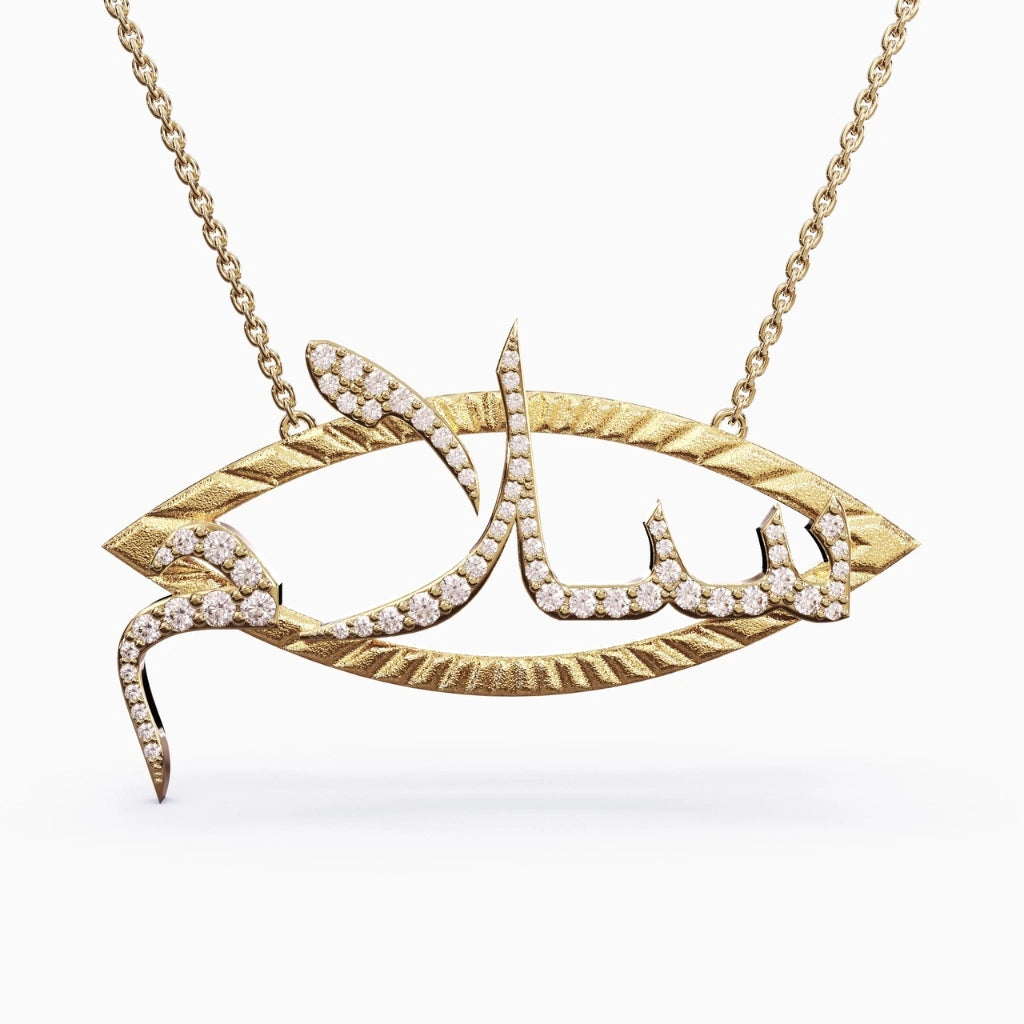
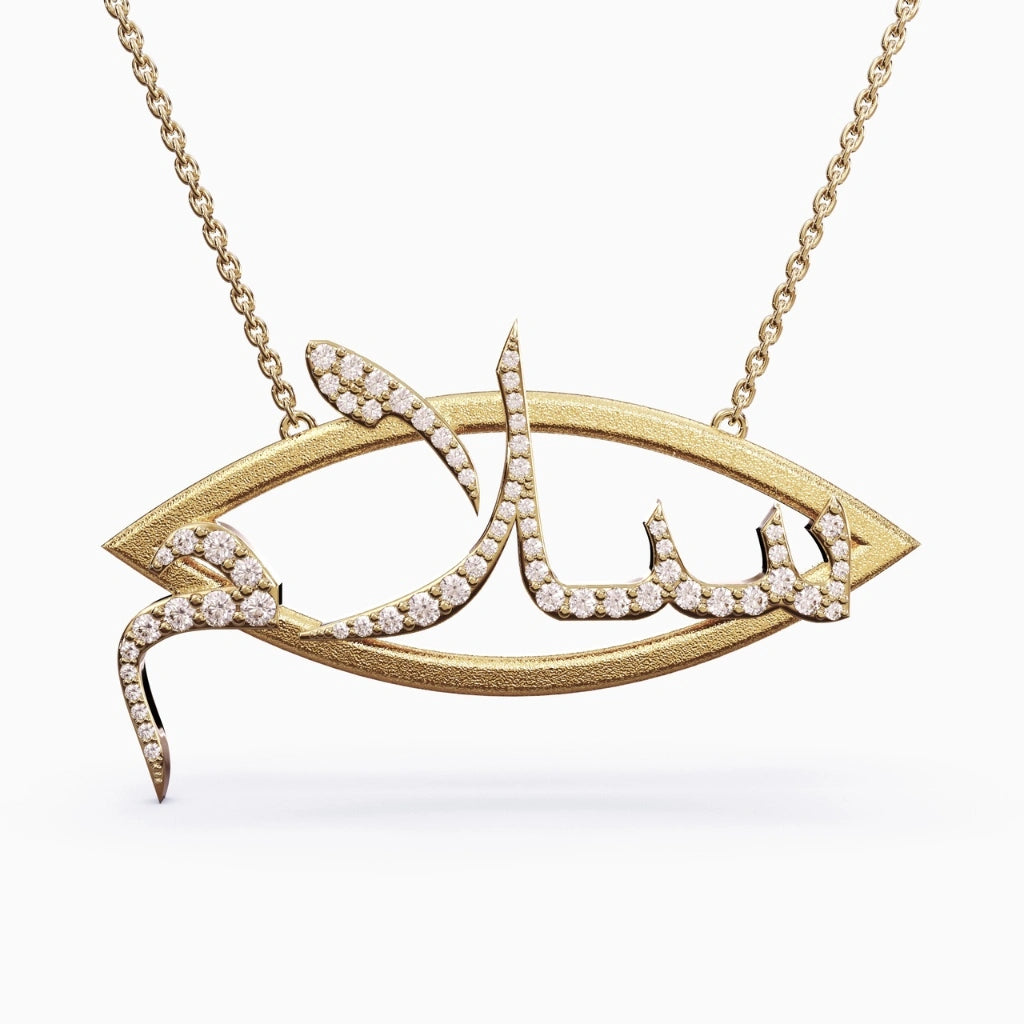
 Image source - argent + asher
The 15 Questions (Use This as Your Checklist)
Each question below is designed to protect your money, your expectations, and the piece itself. You can read straight through, or use it like a pre-checkout checklist.
1) Is This Piece Solid Gold or Just Plated?
This is the first question I would always ask, and it’s the one most people assume is already answered.
Online listings often say “gold” when what they actually mean is gold-plated, gold-filled, or vermeil. These pieces can look beautiful in photos, but they don’t behave like solid gold over time. The surface wears, the colour fades, and the emotional value quickly disappears with it.
Before ordering, check whether the piece is solid 14k or 18k gold, not just coated. A reputable jeweller will state this clearly, explain the difference, and never hide behind vague wording.
If the description avoids specifics or relies heavily on marketing language rather than material facts, that’s usually your first warning sign.
2) Is the Jewellery Properly Hallmarked Under UK Law?
Hallmarks aren’t just decorative stamps, they’re a legal safeguard.
In the UK, gold jewellery above certain weights must be hallmarked to confirm its metal purity. If a retailer claims a piece is solid gold but provides no hallmark information, no photos, and no explanation, that’s something to question before you buy.
I always advise checking:
- Whether a hallmark is mentioned at all
- Which Assay Office is used
- Whether the karat is clearly stated (for example, 14k or 18k)
If something feels unclear here, it’s usually because clarity hasn’t been prioritised, and that matters when you’re investing in fine jewellery.
External reference: GOV.UK hallmarking guidance
3) Who Is Actually Making This Jewellery and Where?
This question is surprisingly revealing.
Some websites look polished and luxurious, but offer very little information about who is behind the jewellery. Others are upfront about where pieces are made, how they’re finished, and who you’re dealing with if something needs adjusting later.
Before ordering, ask yourself:
- Is the jewellery handmade or mass-produced?
- Is there a real studio, workshop, or maker behind it?
- Will the same people who made it be responsible for aftercare or repairs?
Jewellery lasts far longer than a checkout page. Knowing who stands behind the piece and whether they’ll still be there years from now makes a real difference to how confident you can feel buying online.
4) Are the Product Photos Honest or Heavily Styled?
Photos sell jewellery, but they can also mislead.
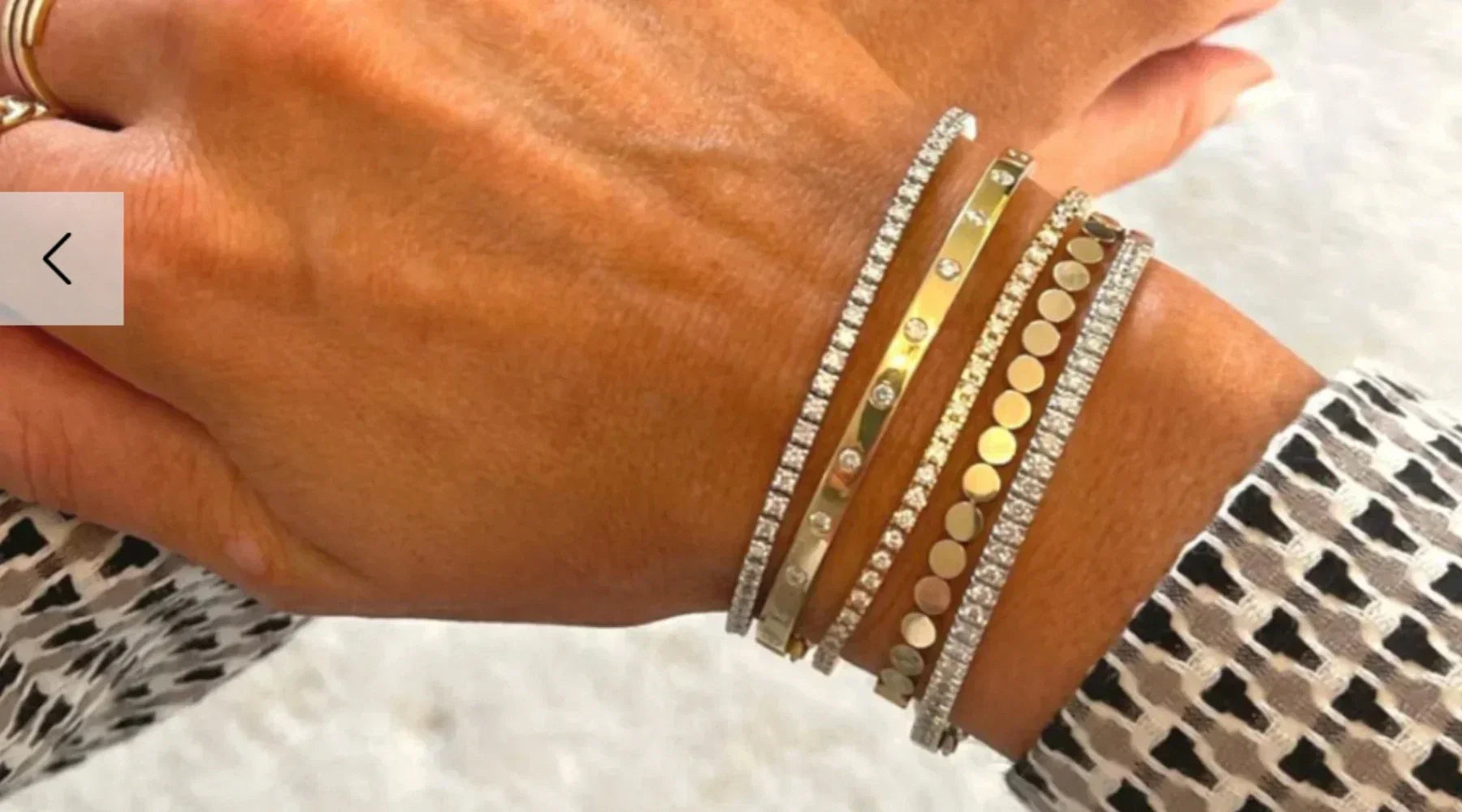
Before ordering online, I always look closely at how a piece is photographed, not just how beautiful it looks at first glance. Perfect lighting, extreme zoom, or overly retouched images can hide proportion issues, thickness, or scale.
Things I check for:
- Multiple angles, not just one hero shot
- Photos on a real person, not only floating on a white background
- Close-ups that show joins, settings, and finishes
- Consistency between photos and video, if video is available
If a website only shows one or two heavily styled images, it’s hard to judge what will actually arrive. Jewellery should stand up to scrutiny not rely on illusion.
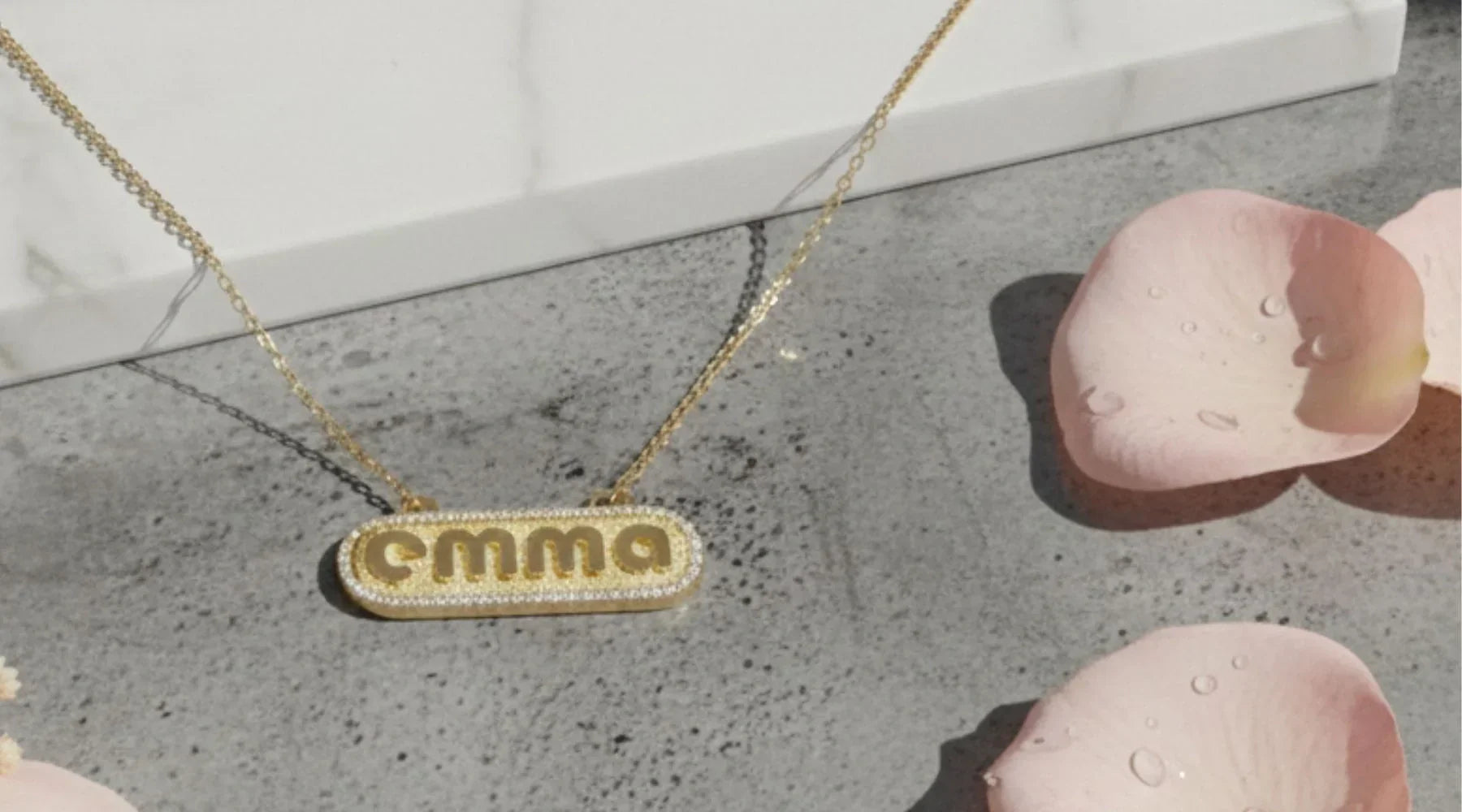
 Image source - argent + asher
5) What Happens If Something Goes Wrong?
This is one of the most overlooked questions until it’s suddenly the most important one.
Before buying, I always look for clear answers on returns and exchanges, repairs and resizing, what happens if something arrives damaged, and whether bespoke or personalised pieces are excluded.
UK law gives consumers protection, but bespoke jewellery often sits outside standard returns. That’s not a red flag in itself, it’s normal, but it does mean the brand should be upfront and transparent about what support they offer instead.
If policies are buried, vague, or written in confusing language, that’s usually a sign the customer experience hasn’t been fully thought through.
6) Does This Jeweller Actually Take Responsibility for Their Work?
(A personal note)
This question matters to me more than most, because I’ve spoken to too many people after something has gone wrong.
I’ve had conversations with clients who ordered a personalised piece elsewhere, only to realise too late that there was no one to speak to when the chain snapped, the letters warped, or the finish wore far faster than expected. Emails went unanswered. Messages were ignored. The website suddenly felt very far away.
Jewellery isn’t disposable, especially personalised jewellery. When something is made specifically for you, responsibility shouldn’t end at dispatch.
Before ordering online, I always ask myself: If this needs adjusting in a year, five years, ten years, will someone still take ownership of it?
The best jewellers don’t just sell jewellery; they stand behind it. They explain what’s possible, what isn’t, and how the piece will live with you over time. That kind of accountability is invisible in a product photo, but it’s one of the most valuable things you can buy.
7) Is the Pricing Explained or Just Positioned as “Luxury”?
One of the biggest mistakes shoppers make is assuming a higher price automatically means higher quality.
When I look at pricing online, I ask: does the brand explain why the piece costs what it does; are materials clearly listed (gold weight, karat, diamonds, stones); is craftsmanship mentioned, or is everything vague and emotive?
Transparent pricing doesn’t mean cheap it means justified. Fine jewellery should never feel mysterious once you start reading the details.
If a brand avoids specifics and relies only on words like premium, luxury, or exclusive, it’s worth slowing down and asking more questions.
8) What Payment Protection Do I Have If Something Goes Wrong?
This is a practical question but a crucial one.
Before ordering jewellery online in the UK, I always check: can I pay by credit card; is PayPal offered; are bank transfers being pushed as the “preferred” option?
Credit cards offer Section 75 protection, which can be invaluable if a high-value item doesn’t arrive or isn’t as described. Bank transfers, on the other hand, offer very little protection if something goes wrong.
A reputable jeweller won’t steer you away from protected payment methods.
External reference: MoneyHelper guide to Section 75
9) Are the Reviews Specific or Suspiciously Generic?
Reviews tell you a lot, but only if you know how to read them.
I look for:
- Mentions of specific products
- Comments about fit, weight, wear over time
- Photos from real customers
- Reviews spread over months or years
Red flags include:
- Dozens of five-star reviews with identical wording
- Reviews that talk about “great service” but not the jewellery itself
- No negative reviews at all
The most useful reviews usually mention small details the kind you’d only notice once the piece is actually worn.
10) Is the Jewellery Designed to Be Worn or Just Looked At?
This is something people rarely think about before ordering.
I always ask: is the chain thickness appropriate for daily wear; are letters or settings reinforced, or overly fine; will this piece hold its shape over time?
Jewellery can look beautiful in photos but fail in real life if it hasn’t been designed with movement, weight, and longevity in mind. This matters even more with personalised pieces, where letters, joins, and connections are under constant tension.
Good design considers how jewellery lives on the body not just how it photographs.

11) What Happens If Something Needs Repair in Six Months’ Time?
This is a question most people only think about after something goes wrong.
Before ordering, I always check: does the brand offer repairs; are adjustments possible after delivery; is there a warranty, and what does it actually cover?
Fine jewellery isn’t disposable. Clasps loosen. Chains stretch. Rings need resizing. A jeweller who disappears after checkout is not someone I’d trust with something meaningful.
A clear repairs policy tells you the brand expects their jewellery to be worn — and stands behind it.
12) Is the Jewellery Hallmarked and Do They Show Proof?
In the UK, hallmarking isn’t optional once you pass legal weight thresholds.
I look for clear mention of UK hallmarking, photos of the hallmark itself (not just a promise), and an explanation of where hallmarking is done.
If a brand avoids showing hallmarks or buries the information, that’s a warning sign. Hallmarks protect buyers and reputable jewellers are proud of them.
13) How Is the Jewellery Actually Made?
This is where quality really separates itself.
I always want to know: is it cast, hand-finished, or fully handmade; is CAD used thoughtfully, or as a shortcut; is there human involvement beyond assembly?
Mass-produced jewellery often skips finishing steps that matter long-term. Fine jewellery should show evidence of care at every stage especially when it’s personalised.
14) How Clear Is the Communication Before You Buy?
Before ordering, I’ll often send a simple question.
Not because I need the answer but because I want to see how quickly they respond, whether the reply is informed or scripted, and if they’re willing to explain, not just sell.
Jewellery is emotional. If communication feels rushed or dismissive, that feeling usually continues after you’ve paid.
15) Does Something Feel Off Even If You Can’t Explain Why?
This is the final question, and it matters more than people realise.
If something feels too cheap, too vague, or too urgent, pause.
Over the years, I’ve seen people avoid expensive mistakes simply by trusting that instinct. A good purchase should feel calm, informed, and considered, never pressured.
Keep Reading (If You’re Building Confidence)
- Ultimate Guide to Confidently Buying Fine Jewellery Online
- Shipping, Insurance & Packaging: How to Get Jewellery Delivered Safely
- Returns, Refunds & Repairs for Online Jewellery Orders (UK Laws Explained)
- 5 Red Flags of Fake Jewellery Websites (UK Edition)
- How to Authenticate Fine Jewellery Before You Buy Online
FAQs
What should I ask before buying jewellery online?
Ask about metal type, UK hallmarking, returns and repairs, payment protection, reviews, delivery insurance, and who takes responsibility long-term.
Are personalised jewellery items refundable in the UK?
Usually no. Personalised or bespoke pieces are commonly exempt from the 14-day cooling-off period unless the item is faulty.
How do I know if an online jeweller is legitimate?
Look for clear hallmarking information, a registered address, detailed product descriptions, secure payments, and transparent policies.
What’s the safest way to pay for jewellery online?
Credit cards are often the safest option for higher-value purchases because they can provide additional consumer protections in the UK.
Should fine jewellery come with a warranty?
Yes. Reputable jewellers typically provide clear aftercare or warranty guidance, especially around craftsmanship-related issues.