Bringing the romantic vibe to the premium metal gold, rose gold is winning hearts all over the globe. However, despite its popularity, many people have doubts about it. They wonder: Is rose gold real gold?
Is Rose Gold Real Gold? A Complete Guide to the Metal
Rose gold is genuine gold, alloyed with copper for its blush colour and its strength. Here is how it is made, how it wears, what it costs and who it suits.

Key Takeaways
- Yes, it is real gold Rose gold is an alloy of pure gold and copper. It is no less genuine than yellow or white gold.
- Copper gives it the colour The more copper in the mix, the deeper the pink. A little silver softens the tone and adds strength.
- It comes in carats, like any gold 9ct, 14ct and 18ct rose gold all exist. 14ct is the popular middle ground of colour and durability.
- No plating to maintain The colour runs through the whole alloy, so rose gold never needs the rhodium replating that white gold does.
- Price tracks gold content A higher carat means more pure gold and a higher price. Craftsmanship and gemstones add to it.
- One caveat for sensitive skin The copper that colours rose gold can irritate a copper allergy. Yellow gold is the safer choice there.
In This Guide
- Chapter I The Composition. What rose gold is made of, and why it counts as real gold.
- Chapter II The Colour. The blush tone, how it ages, and how to tell genuine rose gold.
- Chapter III Price & Value. What drives the cost, and which carat makes sense for you.
- Chapter IV Choosing Rose Gold. Skin tone, the trade-offs, and how it compares to yellow and white.
- The Details Frequently asked questions about rose gold jewellery.
It is. Rose gold is pure gold combined with copper, and often a touch of silver. That copper is what turns the metal pink, and it is also what makes rose gold hard enough to hold a fine setting and survive daily wear. The confusion usually comes from the word alloy, so this guide unpicks what that means in practice.
Below we cover how rose gold is made, what the carat number tells you, how the colour behaves over years of wear, what shapes the price, and how to decide between rose, yellow and white. If you want the wider picture on carats, hallmarks and caring for gold, our complete gold jewellery guide sits alongside this one.
The Composition
What Rose Gold Actually Is
Rose gold is an alloy: pure gold blended with copper, and frequently a small amount of silver. The copper is not a filler or a substitute. It is a deliberate addition that gives the metal its blush colour and, just as importantly, its hardness. Pure gold on its own is too soft to hold a claw setting or a crisp engraved line, which is why no fine jewellery is made from it.
The proportions decide the tone. A higher copper content pushes the colour towards a deep, coppery red. A little silver in the mix lifts it back towards a gentle pink and adds strength at the same time. There is no single recipe, which is why one maker's rose gold can look noticeably warmer than another's.
Rose gold is not a modern invention either. It was popularised in nineteenth century Russia, where it was often called Russian gold, and it returned to fashion in the twentieth century and again in the last decade. What we make today follows the same principle: gold, copper, and a jeweller's judgement about the balance between them.
Is Rose Gold Real Gold?
Yes. Rose gold contains real, pure gold in exactly the same way that yellow gold and white gold do. None of the three is 100 per cent gold, because 24ct gold is too soft for jewellery. Each is pure gold combined with other metals to make it workable, and the colour simply reflects which metals were added. Yellow gold leans on copper and silver in balance, white gold on palladium or nickel, and rose gold on copper.
So a rose gold ring hallmarked 14ct holds the same amount of pure gold as a yellow gold ring hallmarked 14ct. The blush colour tells you nothing about the gold content. Only the carat number does that.
Reading the Carat Number
Carat measures how much of the alloy is pure gold, out of 24 parts. Rose gold is offered in the same carats as any other gold colour.
- 9ct rose gold 37.5 per cent pure gold. The hardest wearing and the most affordable, with a slightly stronger copper note.
- 14ct rose gold 58.5 per cent pure gold. The popular middle ground, with a rich colour and excellent durability. Often the jeweller's default for rose gold.
- 18ct rose gold 75 per cent pure gold. The softest of the three and the most valuable, with a slightly more delicate pink because there is less room for copper.
For a piece you will wear every day, 14ct is the practical choice. If gold content matters most to you, 18ct is the one to ask for. Every rose gold piece we make is available across all three.

The Colour
What Colour Is Rose Gold
Rose gold is a warm pink with a coppery undertone. The exact shade shifts with the copper to gold ratio, so you will see it described as everything from a pale blush to a rich red rose. Lower carats and higher copper content give the strongest pink. Higher carats give a softer, more muted rose because there is simply less copper in the recipe.
Over many years, the copper content means rose gold can develop a slightly deeper, warmer patina, particularly in the recesses of a design. Many people love this and consider it part of the metal's character, closer to how antique gold looks. If you prefer the just made brightness, a gentle clean with a jeweller's cloth brings it back.
How to Tell If Rose Gold Is Real
Genuine rose gold carries a hallmark stamped into the metal, usually on the inside of a band or on the clasp. In the UK, that hallmark records the fineness, such as 375, 585 or 750, and is applied by an assay office. A few quick checks help alongside it:
- The hallmark look for the fineness number under a loupe. No mark on a piece sold as solid gold is a warning sign.
- Even colour solid rose gold is one consistent tone all over. Plated pieces often show a yellower or white metal at points of wear, such as the back of a ring.
- The magnet test gold is not magnetic. If a piece is drawn to a magnet, the core is another metal.
- Documentation a reputable jeweller provides the carat, the metal and, for anything set, the stone details in writing.
An acid test or an electronic tester confirms gold content definitively, but a jeweller should do that rather than a buyer. The simplest safeguard is to buy from a seller who hallmarks their work and stands behind it. Every Argent & Asher piece is solid gold and fully hallmarked, never plated.
Price & Value
Rose Gold Price and Worth
The price of a rose gold piece comes down to four things: how much pure gold it contains, the daily gold price, how much work went into making it, and any gemstones. Because copper is inexpensive, the carat is the main lever. Weight for weight, 9ct costs less than 14ct, and 14ct costs less than 18ct, because each step up holds more pure gold.
At a given carat, rose gold and yellow gold sit at broadly the same price, since they hold the same amount of pure gold. The gold market moves daily, so the metal value of any piece rises and falls a little over time, but that has nothing to do with the colour.
Craftsmanship is the other half of the number. A hand pierced setting, pave detailing or a bespoke commission all add hours, and those hours show in the price. What you are buying, though, is a piece with real intrinsic value that can be resized, repaired and passed on, which is not true of plated jewellery at any price.

Which Carat Is Worth It for You
- Everyday wear 9ct or 14ct. Harder alloys, kinder prices, and colour that holds up to knocks and cleaning.
- Heirloom or investment 18ct. The highest gold content and the richest feel in the hand.
- Engagement and wedding 14ct or 18ct, matched across the set so the colour and wear stay consistent.
Choosing Rose Gold
How the Three Golds Compare
The main difference between the three is colour, and after that, maintenance. Yellow gold is the classic, the warmest of the three, and the most naturally hypoallergenic. White gold reads as sleek and modern, sits close to platinum in look, and is usually finished with rhodium plating that needs refreshing every couple of years to keep its brightness.
Rose gold sits between the two in feeling: romantic and a little vintage, but versatile enough to wear with anything. Because its colour comes from the alloy rather than a coating, it never needs replating. Many people choose their metal by skin undertone, but personal taste and the occasion matter just as much. Rose gold is a popular choice for engagement rings and statement pieces precisely because it suits such a wide range of people.
Which Skin Tones Suit Rose Gold
Rose gold is unusually forgiving. On warm undertones it echoes the skin and looks seamless. On cool undertones it creates a soft, flattering contrast. Neutral undertones can wear it with anything. In practice, almost everyone can wear rose gold, which is a large part of why it has stayed popular. If you are choosing in person, hold each gold colour against the inside of your wrist in daylight and see which one makes your skin look brightest.
The Advantages and the Trade-offs
In its favour
- A distinctive colour that stands apart in a market full of yellow and white.
- No plating, so no replating. The colour is permanent.
- The copper content makes it durable and well suited to everyday wear.
- Cared for properly, it lasts a lifetime and can be passed down.
Worth knowing
- The copper that gives rose gold its colour can irritate anyone with a copper allergy. If your skin reacts to copper, yellow gold in a higher carat is the kinder option.
- The exact shade varies between makers, so if you are matching a new piece to an existing one, compare them side by side first.
To keep it at its best, store pieces separately so they do not scratch each other, take rings off before cleaning or swimming, and give them an occasional wipe with a soft cloth. That is the whole care routine.

When to Choose Rose Gold Over Traditional Gold
Reach for rose gold when you want something a little different from the yellow gold that fills most jewellery boxes, when the romance of the colour matters to the occasion, as it often does for an engagement ring, or when you want a hard wearing everyday metal that will not need upkeep. It also pairs beautifully with warm stones such as morganite, champagne diamonds and smoky quartz, if you want to build on the colour rather than contrast it.
Rose Gold by Carat
A quick reference for the three carats we offer, and where each one earns its place.
| Carat | Pure gold | Colour & wear | Best for |
|---|---|---|---|
| 9ct | 37.5% | Strongest pink, hardest alloy | Everyday pieces on a budget |
| 14ct | 58.5% | Rich rose, very durable | The all-rounder, engagement rings |
| 18ct | 75% | Softer, more muted pink, more delicate | Heirlooms, highest gold content |
Everything Else Worth Knowing
Is rose gold real gold?
Yes. Rose gold is an alloy of pure gold and copper, sometimes with a little silver. It contains real gold in the same way yellow and white gold do. None of the three is 100 per cent gold, because pure 24ct gold is too soft for jewellery, so all of them are pure gold combined with other metals. The carat number, not the colour, tells you how much pure gold is present.
Does rose gold fade or lose its colour?
Solid rose gold does not fade, because the colour comes from the alloy itself rather than a surface coating. Over many years it can develop a slightly warmer patina, which many people like. A gentle polish restores the original brightness. Rose gold plated pieces are different: the thin coloured layer can wear away and expose the base metal underneath.
Is rose gold more expensive than yellow or white gold?
At the same carat, rose gold and yellow gold cost about the same, because they hold the same amount of pure gold and copper is inexpensive. White gold can cost slightly more where palladium is used in the alloy, and it carries the ongoing cost of rhodium replating. Higher carats always cost more than lower carats, whatever the colour.
Which carat of rose gold should I choose?
For a piece worn daily, 14ct offers the best balance of rich colour, durability and value. Choose 9ct for the hardest wear and the lowest price, or 18ct for the highest gold content and a slightly softer pink. All three are solid gold and fully hallmarked.
Is rose gold hypoallergenic?
Less so than yellow gold. The copper that gives rose gold its colour can cause a reaction in anyone with a copper sensitivity. Most people wear it with no problem, but if your skin reacts to copper, choose yellow gold in 14ct or 18ct instead.
How can I tell if a piece is solid rose gold and not plated?
Look for a hallmark stamped into the metal recording the fineness, such as 375, 585 or 750. Solid rose gold is one even colour all over, whereas plating often wears through at friction points to reveal a different metal. Gold is not magnetic, so a piece that responds to a magnet has a base metal core. Buying from a jeweller who hallmarks their work removes the guesswork.
Can rose gold be resized and repaired?
Yes. Solid rose gold can be resized, soldered and restored by a jeweller just like yellow or white gold, which is one of the reasons solid gold is worth the investment. Plated pieces cannot be reworked in the same way, because heat and filing damage the coloured layer.
Real Gold, With a Warmer Heart
So, is rose gold real gold? Without question. It is pure gold alloyed with copper, hallmarked and valued just like yellow and white gold, with a colour that happens to suit almost everyone. The copper earns its place twice over, once for the blush and once for the strength.
If you have worn yellow gold for years, rose gold is an easy and rewarding change: the same permanence and the same intrinsic worth, in a tone that feels a little more personal. Choose 14ct for everyday pieces, 18ct when gold content matters most, and buy from a maker who hallmarks their work.
When you are ready, explore our fine jewellery collection, handcrafted in London in solid 9ct, 14ct and 18ct gold, and available in rose on almost every design.
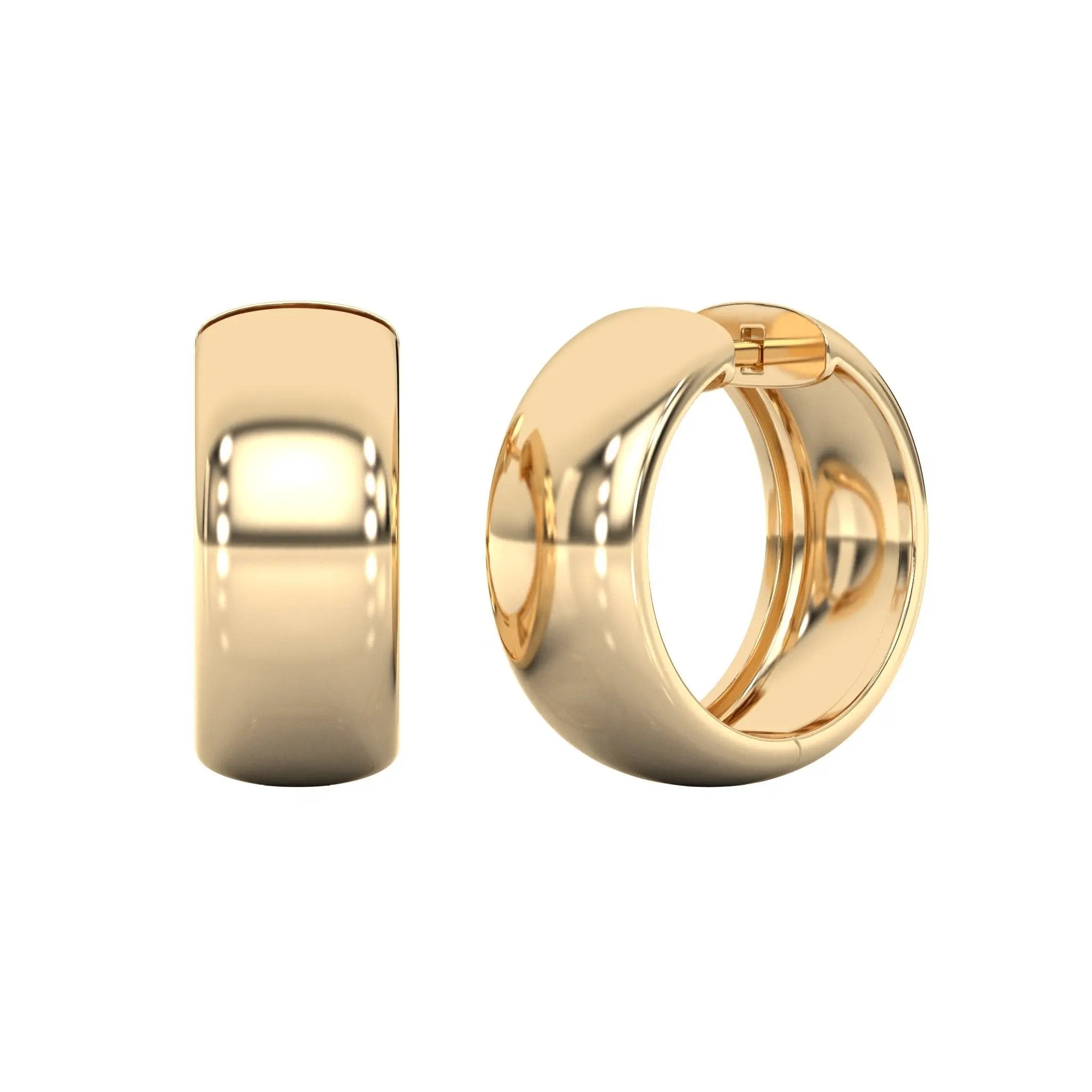
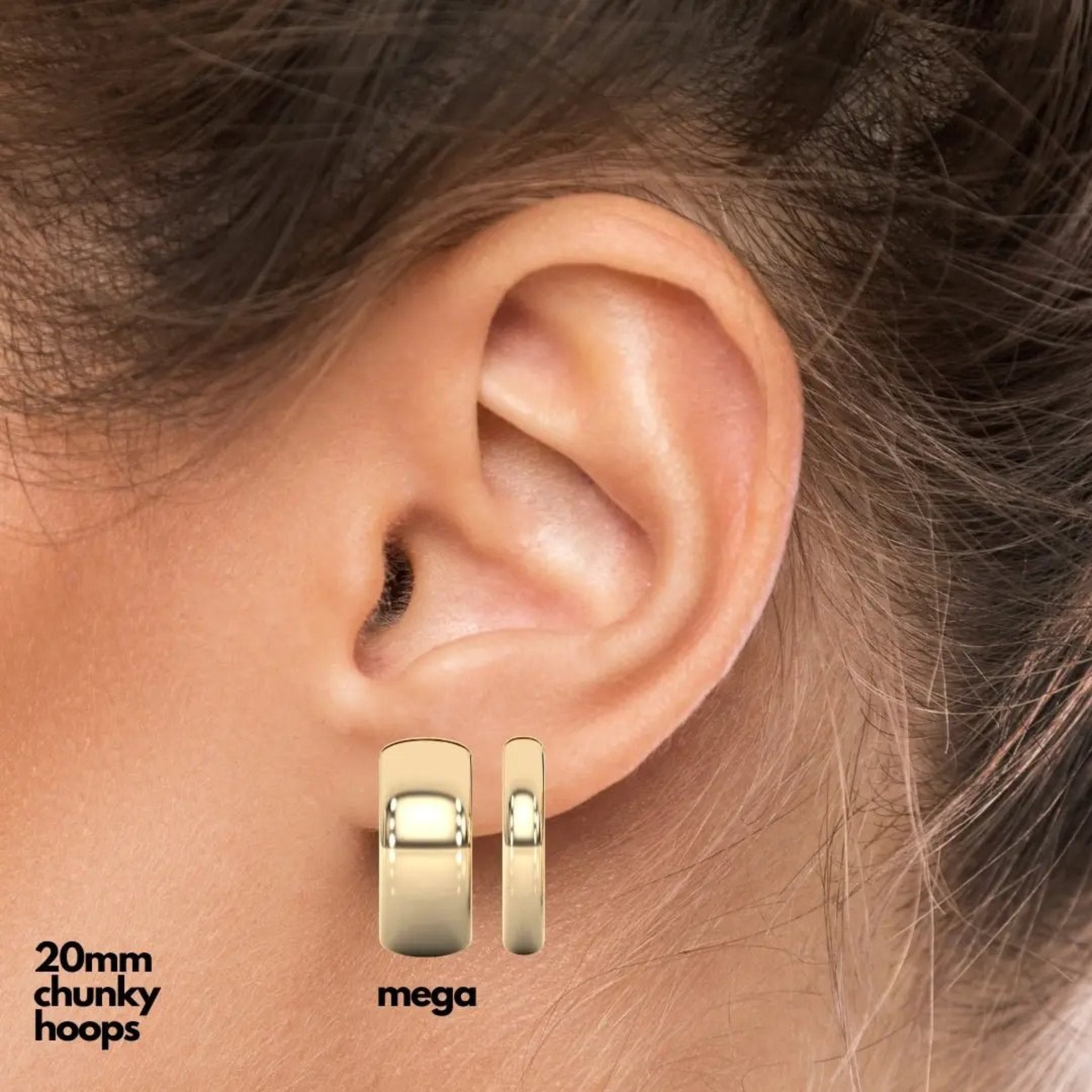
20mm Chunky Gold Hoops
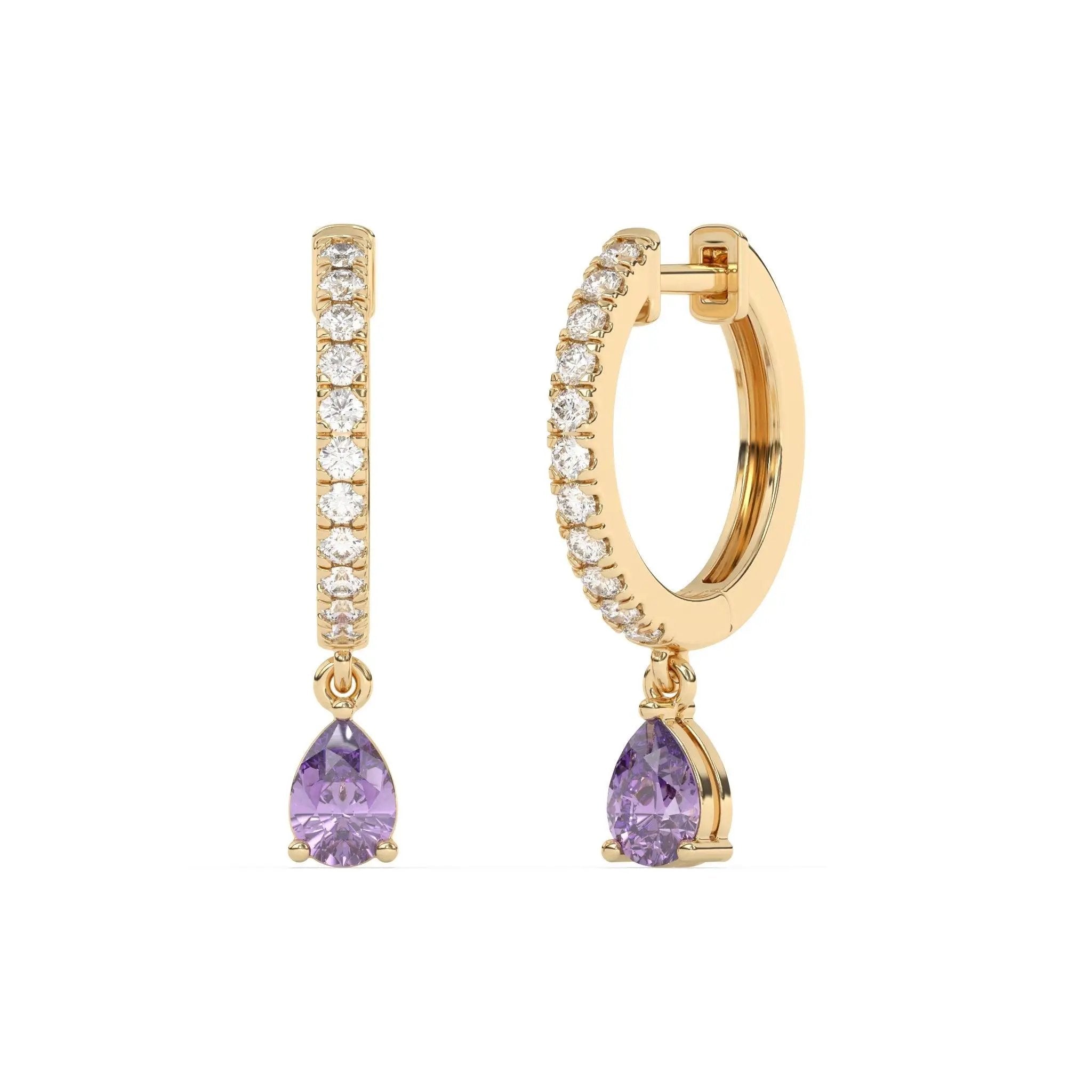
Amethyst Pear Drop Diamond Huggies

Written by Katie Silver