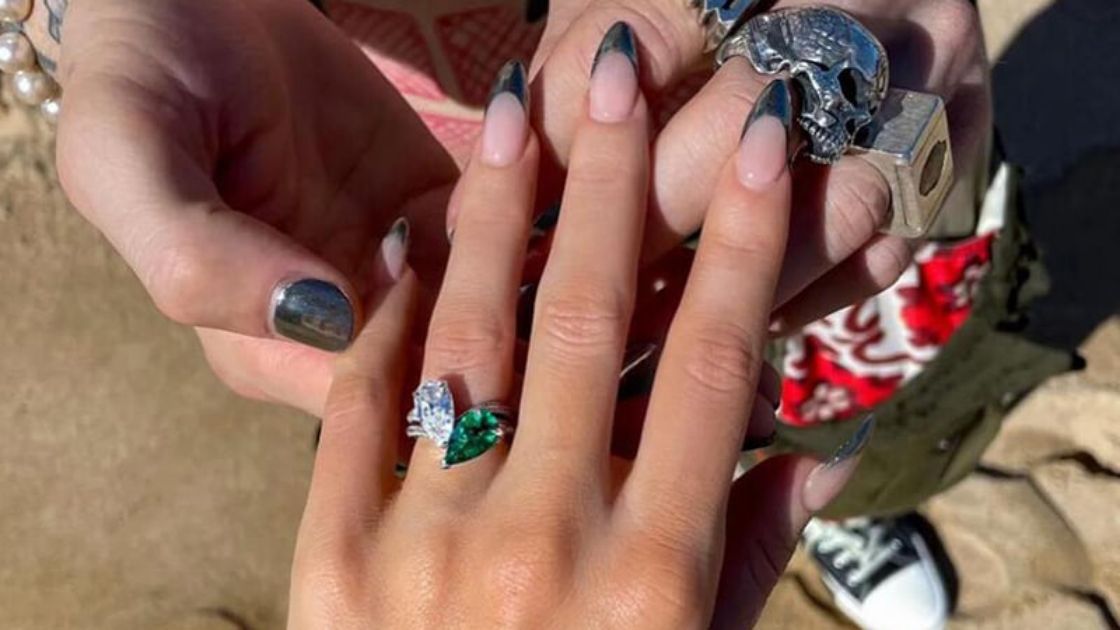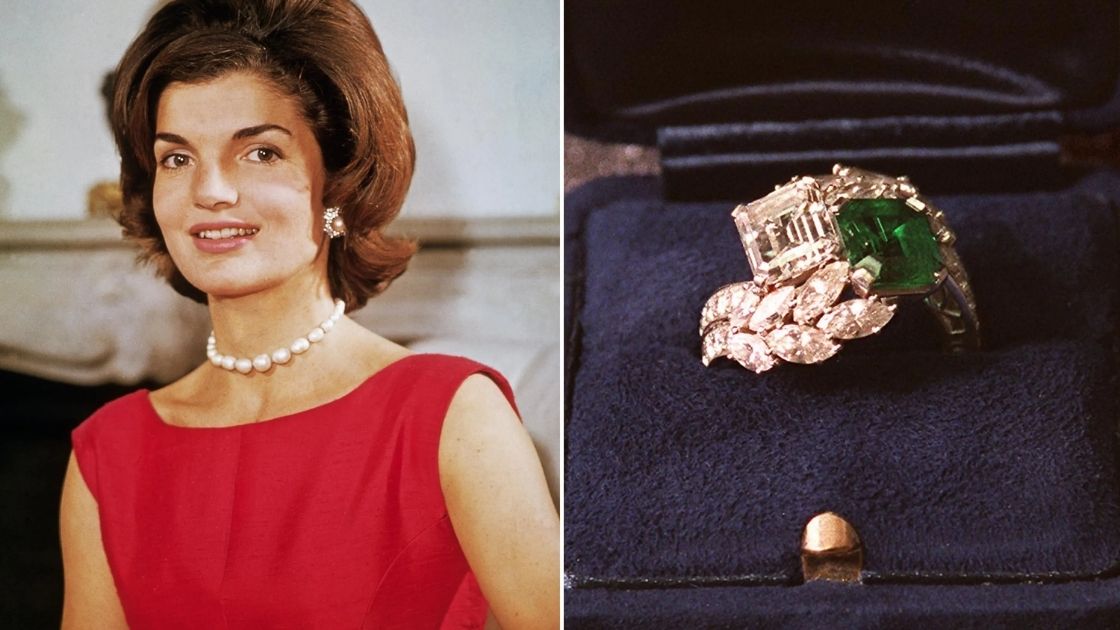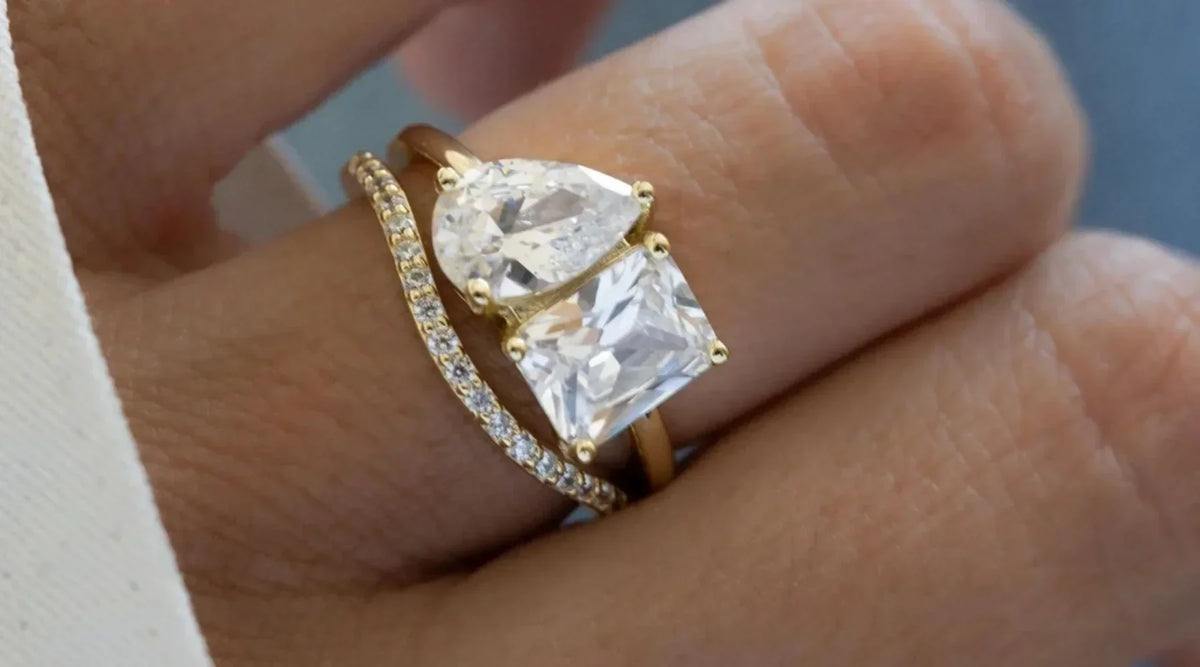
Toi et Moi, French for “You and Me”, is such a sweet name for a ring, isn’t it? These designs feature two stones, sitting side by side, to represent two people joined together.
It’s a lovely, symbolic style, a bit more personal than the classic single-stone ring. Whether it’s for a proposal, an anniversary, or just a special occasion, it says: “It’s us. Together.”
Join us as we explore the meaning behind the two stones in toi et moi rings.
What the Two Stones in a Toi et Moi Ring Mean
Two stones, side by side, one for each of you. The Toi et Moi ring has carried that idea since Napoleon. Here is where it comes from and what the pairing says.

Key Takeaways
- Toi et Moi means "you and me" Two stones set side by side, one for each person.
- Napoleon made it famous He gave Joséphine a diamond and sapphire two-stone ring in 1796.
- The point is contrast, not matching Two different stones, still themselves, chosen to sit together.
- Every pairing has its own language Diamond and sapphire, ruby and emerald, moissanite and morganite.
- It is not only for engagements Anniversaries, friendships, or a ring you buy for yourself.
- Birthstones make it a record Stones tied to dates, places or people turn the ring into something specific.
In This Guide
- Chapter I Where It Comes From, the design, Napoleon, and the older idea underneath it.
- Chapter II What the Two Stones Say, individuality, connection, and contrast that works.
- Chapter III Choosing Your Pair, classic combinations and how to make it personal.
It is a more personal choice than a single solitaire. A solitaire is about one perfect thing. A two-stone ring is about two things that are different from each other, and the decision to keep them together anyway. For a proposal, an anniversary, or a milestone that only you would think to mark, it says the same quiet sentence: it is us, together.
This piece looks at where the design came from, what the pairing is meant to say, and how to choose two stones that actually mean something.
Also read: What Are Toi et Moi Rings?
Where It Comes From
More than symmetry
Two stones can look like a purely decorative choice. The Toi et Moi design is not that. It brings together two stones, each with its own shape, colour or cut, and sets them to sit side by side without one dominating the other.
It reads as a small metaphor, and not a heavy-handed one: two people, still themselves, choosing to stand together. Love does not mean losing yourself. It means being seen fully and still being chosen. A lot of people respond to that more than they respond to a single stone.

Napoleon and Joséphine
The design is older than most people assume. It became famous in 1796, when Napoleon gave Joséphine a two-stone ring: one diamond, one sapphire, sitting next to each other. One gem for him, one for her.
It was more than a beautiful object. It stood for two individuals coming together while staying distinct. That idea outlasted the couple, and the style is still read the same way now: a way to show love without asking anyone to disappear into it.

Pairs, across cultures
Napoleon did not invent the idea, he just gave it a famous example. Across history, people have read something in pairs of stones: balance and togetherness, night and day, two energies settling into harmony.
Older jewellery often carried a practical version of this. One stone to protect, one to empower, worn side by side for harmony. A modern Toi et Moi ring leans towards love and style rather than protection, but the underlying message has not moved: two different energies, stronger together.
What the Two Stones Say
Two people, still themselves
Each stone stands for one person in the relationship. Worn together, they are a small daily reminder: you are both your own person, and you are connected. The difference between the two stones is the part that matters, whether it comes through colour, cut or size.
The ring celebrates the difference as much as the closeness. That is an unusual thing for a piece of jewellery to do, and it is why the style keeps finding new wearers.

Contrast, done well
When the design is done well, the two stones do not compete. They complement each other. One might be fiery and bold, a ruby. The other calm and clear, a diamond.
Together they tell a story of balance, which is a fair description of most real relationships: strength in difference, harmony in duality. Get the balance right and the ring holds up close and from across a room.
Choosing Your Pair
A language of colour
Some pairings have become classics because the symbolism lines up neatly:
- Diamond and sapphire. Purity and wisdom, the Napoleon pairing.
- Ruby and emerald. Passion and renewal, a rich, saturated contrast.
- Moissanite and morganite. Sparkle and softness, for a lighter, more romantic look.
The full Atelier Notes table below sets out what the main stones signify. Mix and match from it and you are writing your own version rather than borrowing someone else's.

Birthstones and milestones
The strongest versions of this ring are tied to something specific. Two birthstones. Two favourite colours. A stone from a place that means something to both of you. At that point it stops being about fashion and becomes a record you happen to wear.
If you are not sure which stones tell your story, our guide on choosing the perfect gemstones for your Toi et Moi ring walks through it. And once you have the ring, styling it for different occasions is its own small pleasure.

Gemstone Meanings & Pairings
What the main stones stand for, and a pairing that tends to work alongside each.
| Gemstone | Meaning | Pairs well with |
|---|---|---|
| Diamond | Strength, permanence | Sapphire, for loyalty and trust |
| Sapphire | Loyalty, trust | Diamond, for contrast and clarity |
| Emerald | Growth, healing | Ruby, for a passion and renewal pairing |
| Ruby | Passion, vitality | Emerald, or a diamond for calm contrast |
| Aquamarine | Calm, clarity | Diamond or morganite, for a soft palette |
| Morganite | Tenderness, warmth | Moissanite, for sparkle and softness |
Everything Else Worth Knowing
What does "Toi et Moi" mean?
It is French for "you and me". The ring sets two stones side by side, one for each person in a relationship.
Where did the Toi et Moi ring come from?
It became famous in 1796, when Napoleon gave Joséphine a two-stone ring with a diamond and a sapphire. The style has been read as a symbol of two individuals coming together ever since.
Do the two stones have to be different?
No, but the design works best when they are. Different cuts, colours or sizes let the ring say two people, still themselves, rather than a matched pair.
What are the classic gemstone pairings?
Diamond and sapphire for purity and wisdom, ruby and emerald for passion and renewal, moissanite and morganite for sparkle and softness. Any combination that means something to you also works.
Is a Toi et Moi ring only for engagements?
No. It is popular for proposals, but it is also given for anniversaries, for a friendship that has shaped your life, or bought for yourself.
Can I use birthstones in a Toi et Moi ring?
Yes. Birthstones, favourite colours or stones tied to a particular place are a common way to make the ring a record of something specific.
Which metal suits a Toi et Moi ring?
All three golds work. Yellow gold warms coloured stones, white gold keeps a diamond pairing crisp, and rose gold flatters softer stones like morganite.
Two Stones, One Story
Whether it is a proposal, a decade together, or a ring you buy for yourself, a Toi et Moi says the same thing: two different people, or two chapters of one life, choosing to sit side by side. It is a quieter statement than a solitaire, and for a lot of people a truer one.
Pick two stones that mean something. Argent & Asher sets them by hand in solid, ethically sourced gold, so the ring carries the rest.

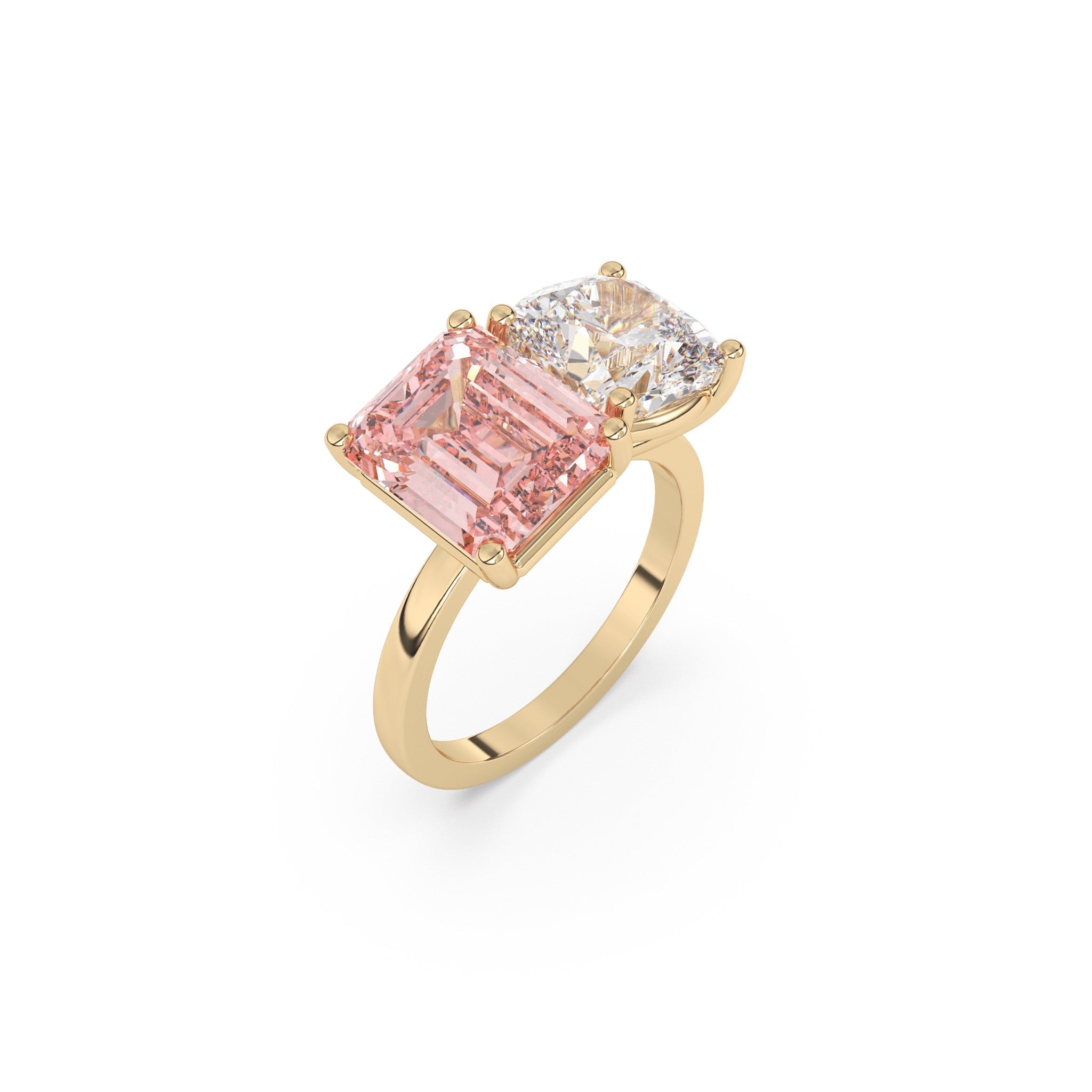
Toi Et Moi Ring
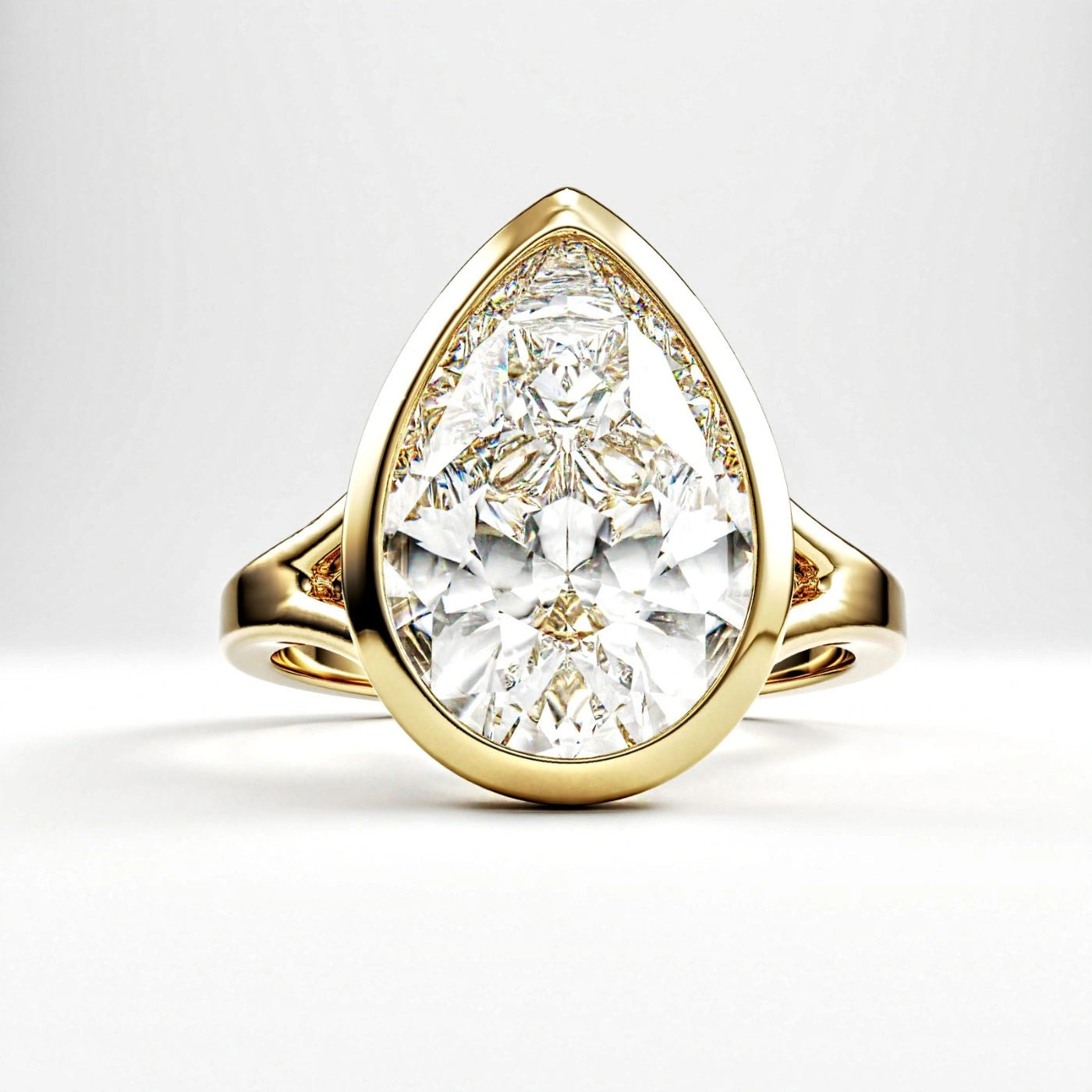
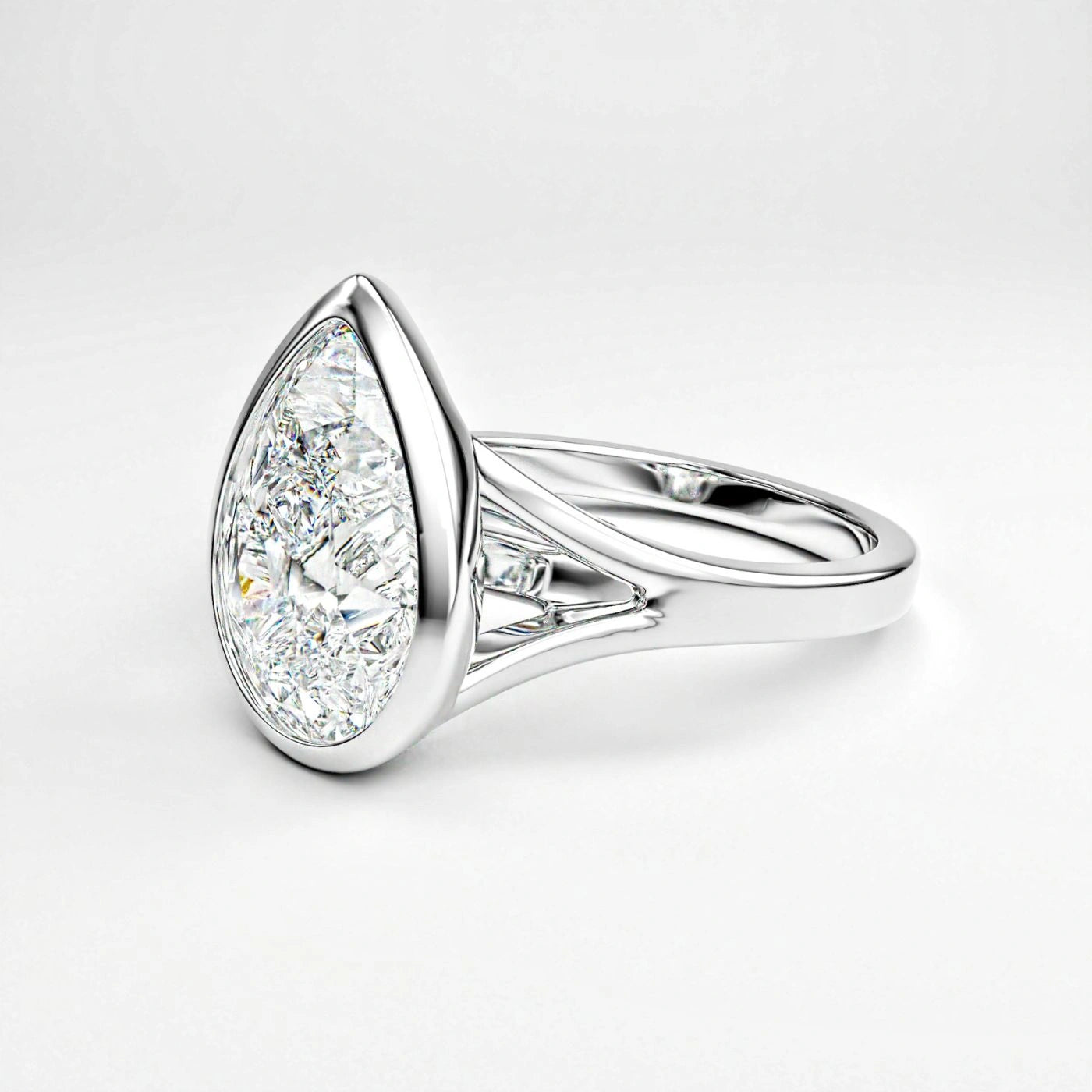
Diamond Pear Shape Ring

Written by Katie Silver