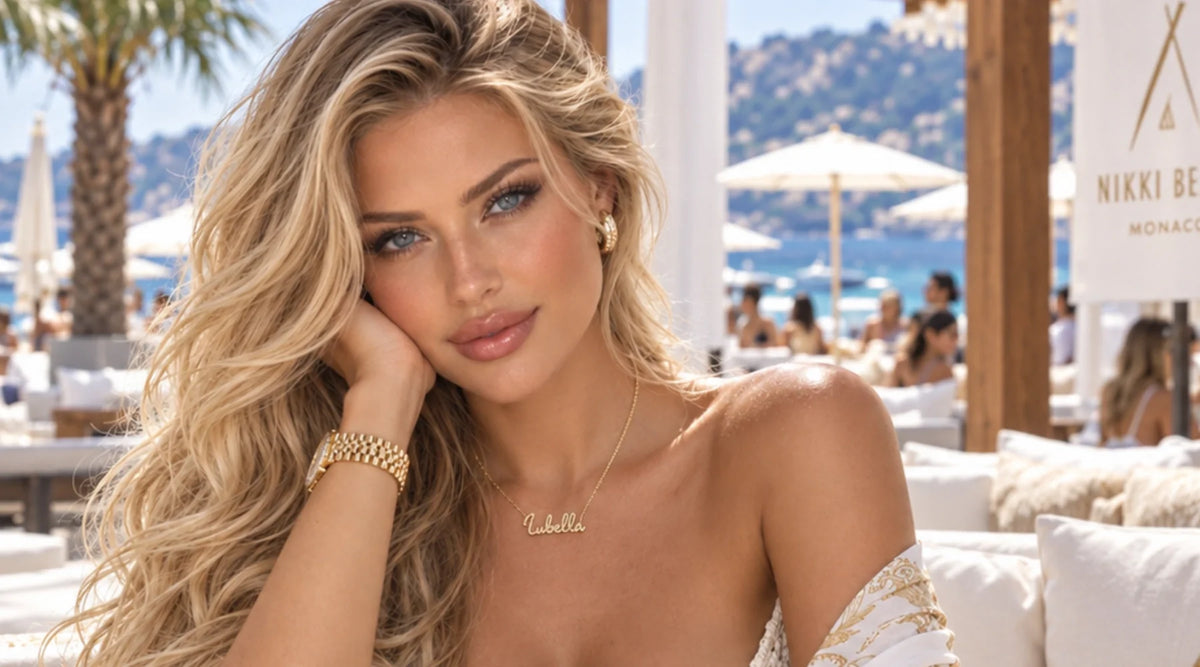
Article: Luxury Designer Jewellery Price Guide: What Affects Cost

What really goes into the price of luxury designer jewellery: gold purity, diamond grading, bench craft, bespoke design and aftercare, plus UK price ranges and how to compare pieces fairly.
Luxury Designer Jewellery Price Guide: What Affects Cost
From gold purity and diamond grading to bench hours, bespoke design and aftercare, here is what really goes into the price of luxury designer jewellery, and how to compare pieces fairly.

Key Takeaways
- Diamonds & gemstones Deep natural colour, lack of heat treatment and independent grading certificates control final stone quotes.
- Craftsmanship Mass production prioritises speed, whereas luxury pricing covers expert hand-setting and structural durability.
- Design complexity Minimal styles skip heavy planning, but complex mountings require extensive engineering to last generations.
- Bespoke customisation Creating a one-off piece requires dedicated bench hours, individual stone searches and custom CAD renders.
- Ethical sourcing Responsible sourcing standards and fair bench conditions inevitably influence total production figures.
- Designer reputation Brand status, distinct artistic identity and high-end presentation heavily push retail quotes up.
- Aftercare & service True luxury incorporates ongoing maintenance, like claw tightening, ring resizing and active warranty coverage, for lifetime wear.
In This Guide
- Chapter I Prices at a Glance: average price ranges and the factors behind them
- Chapter II Materials and Making: metals, gemstones, craftsmanship and design complexity
- Chapter III Beyond the Bench: bespoke, ethical sourcing, reputation and aftercare
- Chapter IV Comparing and Buying: engagement ring costs, value, price differences and buying checks
- The Details Frequently Asked Questions: quick answers on luxury jewellery prices
Bespoke commissions ditch production lines entirely to build a single piece around your specs. Seeing where that effort goes makes comparing pieces far more straightforward.
Prices at a Glance
What Is the Average Price Range for Luxury Designer Jewellery?
Designer jewellery pricing is fluid, making a standard average price impossible to define. Every quote is built around specific choices: raw material costs, gemstone rarity, design time, hand-finishing and custom requests. While baseline estimates offer rough context, a delicate piece will cost far less than a one-off bespoke design laden with rare stones.
| Jewellery Type | Approximate Luxury Price Range |
|---|---|
| Designer earrings | £500–£1,600 |
| Fine jewellery rings | £600–£2,000 |
| Luxury diamond engagement rings | £1,200–£8,000 |
| Designer necklaces | £500–£6,000 |
| Bespoke high jewellery | Quoted individually |
What Determines Luxury Jewellery Cost?
Judge a piece on what's right in front of you: metal weight, diamond certificates, structural bench durability, and the goldsmithing skill that built it.
| Factor | How It Affects Price |
|---|---|
| Precious metals | Gold purity, platinum content, weight and material value |
| Diamonds & gemstones | Quality, rarity, certification, origin and size |
| Craftsmanship | Labour, specialist skills, setting and finishing |
| Design complexity | Original concepts, engineering and technical difficulty |
| Customisation | Personalised design and individual production |
| Ethical sourcing | Responsible supply chains and sourcing standards |
| Designer reputation | Creative identity, experience and established expertise |
| Aftercare | Repairs, resizing, cleaning, maintenance and warranty support |
Savvy buyers look past bottom-line price tags and check the actual physical specs. Here are the eight factors in detail.
Materials and Making
Gold, Platinum and Material Quality
A jewellery mounting relies entirely on its metal foundation. Purity ratings, density and metal choice are what establish baseline material value.
UK gold standards are straightforward: 9ct is 37.5% pure gold (‘375’), 14ct sits at 58.5% (‘585’), and 18ct is 75% (‘750’). More pure gold equals higher material value per gram. Does gold weight dictate final price tags? It establishes your material floor. Goldsmith skill, complex geometry and gemstone quality drive the rest.
Platinum works differently. It's naturally dense, rare, and usually worked at 95% purity. Because of that heavy density, a platinum ring carries far more physical heft than a matching gold style.
Plus, official UK hallmarking guarantees metal purity through stamped fineness marks, giving you total peace of mind.
Gemstone Quality and Rarity
Once a design incorporates sizable diamonds or rare coloured stones, the gems themselves make up the bulk of your final quote.
Diamond value tracks the GIA 4Cs:
- Cut Proportions and symmetry: this is what gives a diamond its life.
- Colour Absence of colour; fully colourless commands a premium.
- Clarity Checks for natural microscopic inclusions.
- Carat Measures physical weight; one carat equals 0.2 grams.
Always insist on independent grading: a GIA certificate proves your stone is actually what the seller claims. Lab-grown diamonds match natural stones atom for atom in chemical composition, but factory scaling keeps their price tags far lower.
With coloured gems, don't just focus on size. Deep natural colour, origin, clarity and lack of heat treatment dictate true worth. A vivid, untreated two-carat sapphire effortlessly outvalues a pale five-carat alternative. Real value comes down to raw natural rarity, verified paperwork, and an artisan setting it safely.
Blue Sapphire Six Stone Ring

Craftsmanship and Jewellery-Making Techniques
Higher price tags in luxury jewellery cover genuine goldsmithing skills. From custom stone setting and clean soldering to intricate surface engraving and thorough hand-polishing, fine bench work takes time. A setting needs to hold gems firmly for a lifetime without looking heavy-handed.
| Mass-Produced Jewellery | Luxury Designer Jewellery |
|---|---|
| Standardised designs | Original or distinctive designs |
| Faster manufacturing | More detailed production |
| Limited customisation | Personalised or bespoke options |
| Greater reliance on repeatable processes | Greater involvement from skilled craftspeople |
| Standard finishing | Detailed finishing and quality control |
While mass production focuses on speed, luxury pricing accounts for those extra production stages: the meticulous joint work, careful stone alignment and repeated quality inspections that define a truly refined piece.
Classic Diamond Tennis Necklace

Design Complexity and Creative Development
Design expertise carries real weight before crafting even starts. Intricate pieces require initial sketching, 3D CAD development, physical prototyping and weight distribution checks.
While minimal designs skip heavy planning, complex pieces with fine engraving, articulated components or unique proportions demand technical precision. Getting demanding angles and clean mounts right isn't something you can rush.
It takes deep goldsmithing knowledge and meticulous planning so the finished piece lasts for generations.
Beyond the Bench
Bespoke Jewellery Pricing: Why Custom Pieces Cost More
You're paying for dedicated bench time instead of an automated factory run.
The total figure comes down to what actually goes into the piece: metal purity, stone quality, structural engineering, 3D printing and hand-polishing.
Argent & Asher's bespoke route builds the whole design around what you want, meaning the final quote tracks your material choices and layout.
It's worth being clear about this: bespoke isn't just stock jewellery given a slight twist. The entire creative process, from sourcing loose stones and rendering custom CADs to hand-setting prongs, is a genuine, one-off commission.
Ethical Sourcing and Responsible Luxury
Look past the glossy polish for a second. The story behind the materials matters.
True supply-chain transparency takes real work: tracking raw gold, vetting gemstone dealers, securing proper origin paperwork and ensuring fair bench conditions. That extra diligence inevitably feeds into production costs.
For anyone buying fine jewellery today, the real test is cutting through corporate greenwashing. Don't fall for slick "sustainable" claims on a website. Demand facts instead: can the jeweller trace their supply chain? Do they have real, verifiable documentation for their stones? Read more about our approach to sustainable jewellery.
How Designer Reputation Influences Jewellery Prices
Why do two gold diamond rings with identical specs cost drastically different amounts? It comes down to individual brand approach.
Original design concepts, specialised setting techniques, brand heritage and limited production runs all push prices up. You're also paying for high-end presentation and dedicated post-purchase support.
Brand status plays a huge role in retail pricing, but never buy on reputation alone. Inspect physical finishing, metal weight and gemstone credentials first.
Aftercare, Service and Long-Term Ownership
The sale shouldn't be where your jeweller walks away. Real luxury comes with proper aftercare: ring resizing, claw tightening, re-polishing and clear warranty cover.
A bargain price tag looks great on day one, but it usually means zero support when a prong catches. Check the maintenance policy first. You want someone who'll actually service your piece ten years down the line.
Comparing and Buying
How Much Does a Luxury Diamond Engagement Ring Cost?
Looking at fine engagement rings in the UK, £1,200–£8,000 is the usual ballpark. Exceptional natural stones and custom high-end pieces, however, sit in a tier of their own above that.
Diamond Quality
The 4Cs (discussed above) dictate raw cost. Certified grading documentation is essential. It verifies stone specs independently.
Metal Choice
Platinum offers exceptional density and wear resistance. Alternatively, 18ct gold delivers luxurious colour depth alongside solid structural strength.
Ring Design
Solitaires keep focus purely on the main gem, whereas halos, pavé bands, vintage details and custom bespoke shapes add structural complexity and extra stone counts.
Craftsmanship
Specialist goldsmithing takes time. True stone security comes down to the goldsmith's hands: carved setting seats, clean prong alignment and precise finishing keep every gem firmly in place.
The Valentina Oval Cut Engagement Ring

The Elara Pear Engagement Ring

Where to Find the Best Value on High-End Designer Jewellery in the UK
Real value in luxury jewellery is not about the cheapest offer. Assessing a piece requires looking at physical inputs: transparent metal specs, certified gemstone credentials, bench finishing, responsible sourcing and long-term repair support.
Comparing prices only works when comparing identical standards; two 1-carat stones differ wildly depending on cut quality, origin and setting security. When shopping, consider independent luxury designers alongside traditional houses.
Independent jewellers typically offer greater flexibility for bespoke commissions and direct artisan access, whereas large heritage brands focus on scaled service networks. Focus on the physical craft to ensure you're paying for genuine quality.
Why Do Similar Luxury Jewellery Pieces Have Different Prices?
Side by side, two pieces might seem identical, but what went into making them, from gold weight to hand-setting hours, can tell a completely different financial story.
| Difference | Potential Impact |
|---|---|
| Diamond quality | Can create substantial price differences |
| Metal purity | Changes precious-metal content and material value |
| Setting complexity | Influences specialist labour and production time |
| Design originality | Adds creative development and technical value |
| Production method | Affects labour, finishing and quality-control requirements |
| Gemstone origin | May influence rarity, documentation and sourcing |
| Aftercare | Adds ongoing service and ownership value |
This is why comparing only the photograph or headline price of designer jewellery can be misleading. The specification underneath the design is what makes a meaningful comparison possible.
Is Expensive Designer Jewellery Worth the Price?
Whether a higher price tag makes sense depends on what you expect from a piece.
- Material value Precious metals and natural gems carry intrinsic commodity value, though retail tags include non-material markups.
- Longevity What keeps a piece wearable for decades comes down to bench skill: seamless joints, proper weight distribution and meticulous hand-finishing that mass production skips.
- Sentiment An heirloom piece or milestone gift carries emotional weight that carat weight or gold charts can't measure.
Don't buy fine jewellery expecting financial returns. Instead, look for a fair middle ground, where solid bench craft, honest metal purities and personal sentiment actually meet without breaking your bank.
How to Evaluate Luxury Jewellery Before Buying
Check these key details when comparing luxury pieces:
- UK hallmarks Verify official UK hallmarks, which independently guarantee precious metal fineness under strict legal standards.
- Gem grading Review independent paperwork for all diamonds and stones.
- Bench craft Check for smooth soldering, tight settings and responsible sourcing.
- Maintenance Confirm repair access, resizing policies and custom options.
- Style Choose a piece built for your routine.
Frequently Asked Questions
How much does luxury designer jewellery cost?
Entry-level pieces start around £1,000. Exceptional stones and custom commissions easily go much higher. The final quote simply tracks materials, gem grading and goldsmith time.
Why the high price tag on designer pieces?
Starting from a blank page means dedicated design consultation, custom prototyping, and a goldsmith building one single piece strictly around your brief.
Is 18ct gold more expensive than 9ct gold?
Raw material-wise, absolutely. 18ct holds 75% pure gold versus 9ct's 37.5%. That said, complex labour and gemstone choices can shift the overall retail figure significantly.
Does getting a bigger diamond always mean spending more?
Not necessarily. A stone's worth comes down to cut quality, colour grade and clarity alongside carat weight. Quality beats raw dimensions every time.
Why is bespoke jewellery priced higher than stock pieces?
Because bespoke is an individual commission. From initial sketches to final hand-polishing, every step is executed specifically for one wearer rather than produced at scale.
What You're Really Paying For
Pricing luxury jewellery comes down to tangible things: gold weight, rare gems, design precision and honest bench work. Grasping these details changes how you shop. You make smarter choices because you actually see the skill, time and materials sitting in front of you.
Interested in pieces crafted with real purpose? We invite you to explore Argent & Asher's bespoke jewellery, or read how we price our jewellery.
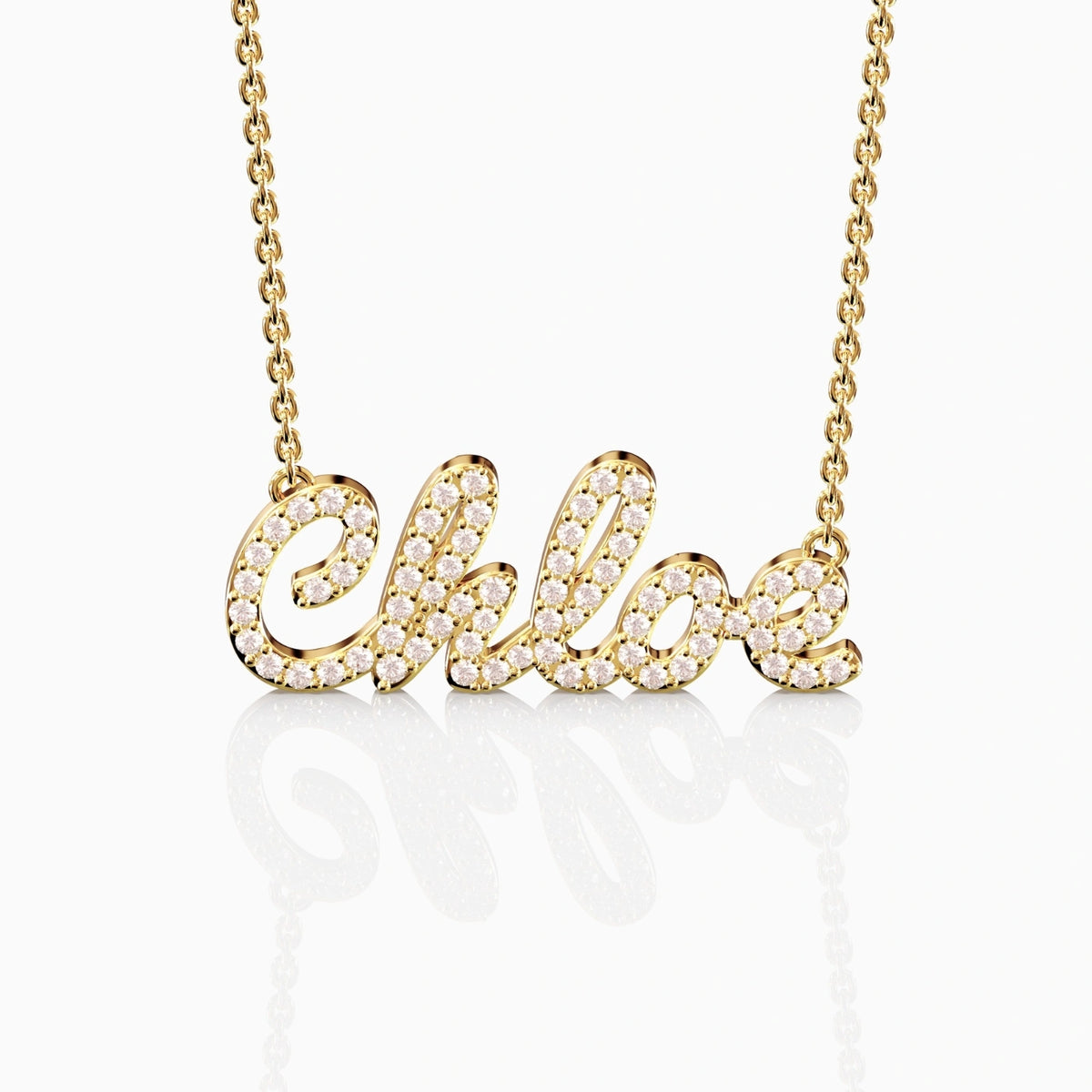
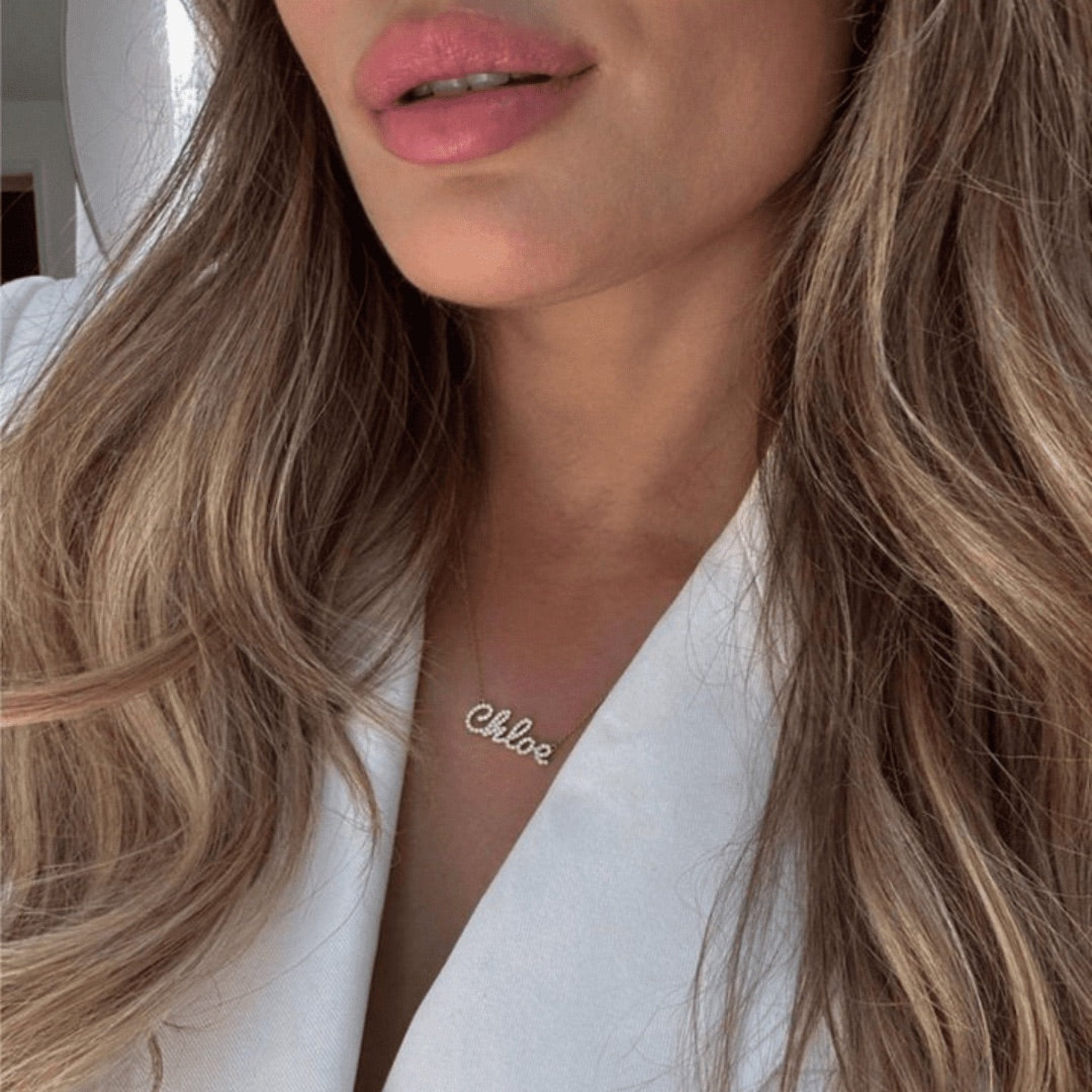
Classic Diamond Name Necklace
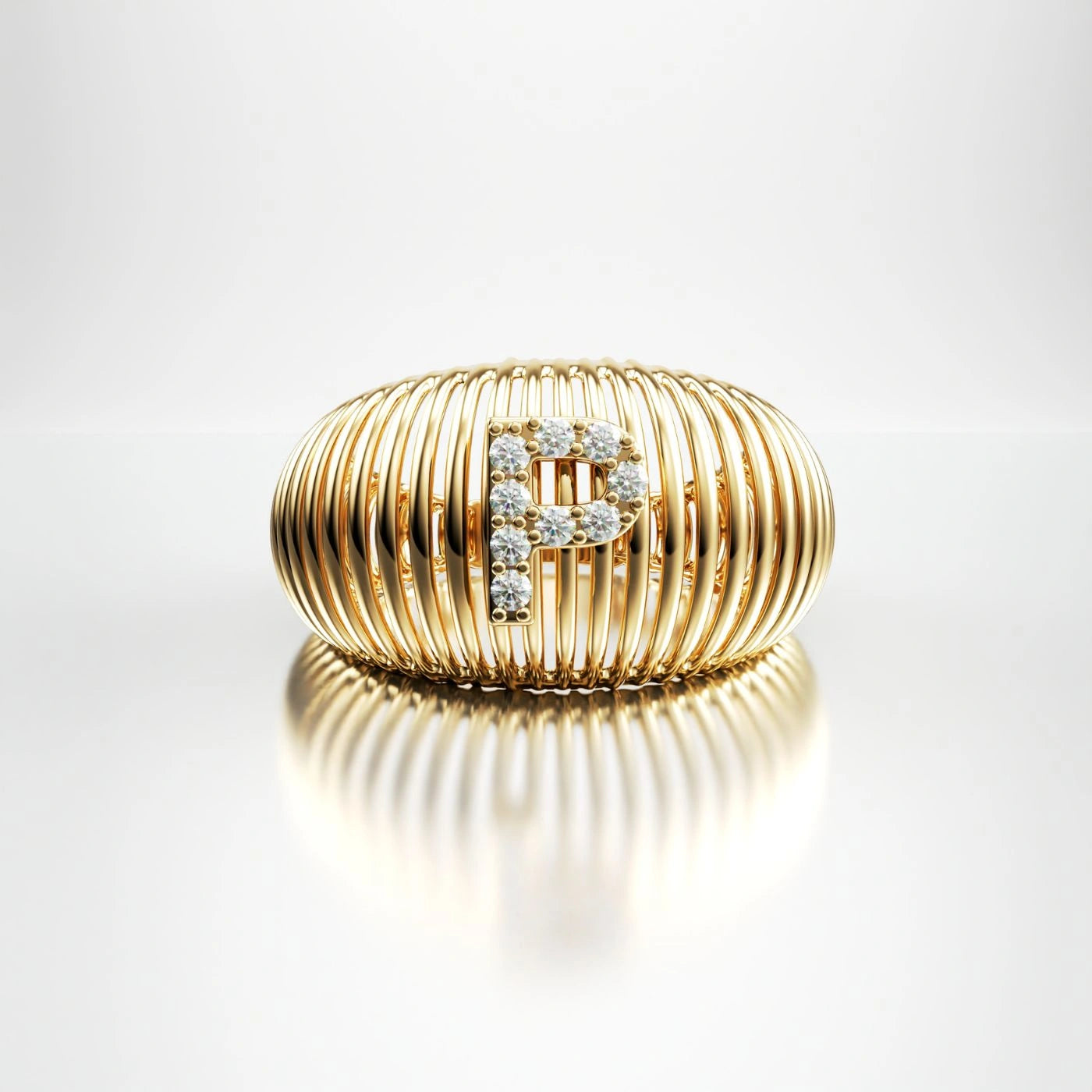
Diamond Initial Ring

Written by Katie Milne