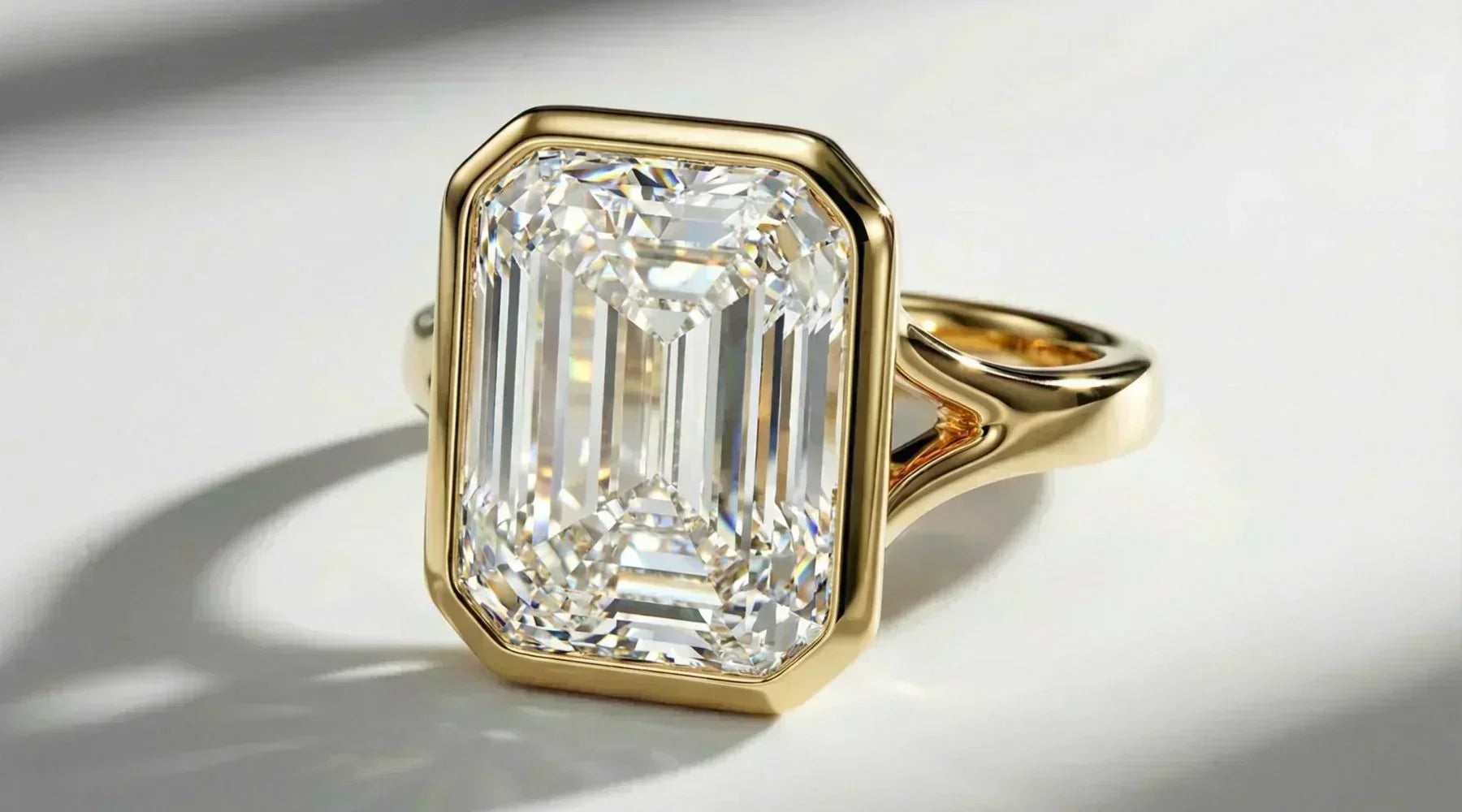
Is Yellow Gold Considered Real Gold?
Karats, hallmarks, and how to tell solid gold from a plated lookalike — everything you need to buy with confidence.

Key Takeaways
- Yes, it's real gold Yellow gold jewellery contains genuine gold — typically alloyed with copper and silver so it's strong enough to wear every day.
- Karats are a percentage, not a quality judgement 9ct = 37.5% gold, 14ct = 58.5%, 18ct = 75%. Higher karats mean more gold — not necessarily a better piece for your lifestyle.
- UK hallmarking is your strongest guarantee Purity marks like 375, 585 and 750 — alongside an assay office mark — confirm exactly what you're buying.
- Solid gold and gold-plated are not the same thing Plated means a thin gold layer over a different metal. It can look identical in a shop. It won't age or hold value the same way.
- Care is easy Warm water, a drop of mild soap, a soft cloth. That's genuinely all it takes.
In This Guide
- Chapter I What Yellow Gold Is Made Of — alloys, karats, and why pure gold doesn't work as jewellery
- Chapter II How UK Hallmarking Works — what the stamps actually mean and why they matter
- Chapter III Solid vs Plated: How to Tell the Difference — what to look for in a shop and online
- Chapter IV Caring For Yellow Gold at Home — cleaning, storage, and what actually matters
The world of karats can feel like a minefield: 9ct here, 18ct there, purity stamps that look like random three-digit numbers, and a sea of "gold" jewellery online at prices that make you wonder what's actually in it. This guide cuts through the noise. What yellow gold is made of, what the karat marks mean, how to read a UK hallmark, and how to spot the difference between solid gold and a convincing imitation.
Also read: Gold Jewellery in 2026 — our full guide
What Yellow Gold Is Made Of
Gold Alloy, Not Pure Gold
Unless you're buying bullion, you don't want pure gold. 24ct gold is genuinely too soft for everyday jewellery — it bends, scratches, and loses its shape quickly. What you're actually buying when you buy yellow gold jewellery is an alloy: gold mixed with other metals (usually copper and silver) to make it wearable. The ratio of that mix is what karats measure.
Think of it as a sliding scale. 18ct is 75% gold, with the remaining 25% made up of other metals. 14ct is 58.5% gold. 9ct is 37.5% gold. They're all real gold — the added metals don't make it fake, they make it functional.
9ct, 14ct or 18ct?
The right karat depends on how you wear it. 9ct is the most accessible entry point — it's still genuine gold, it's harder than higher karats (more alloy = more durability), and it's significantly more affordable. 14ct sits in the middle: more gold richness, still very wearable, and the standard used by most fine jewellery brands in the US. 18ct has the deepest, warmest yellow colour and a richer feel — it's also softer, which is why it's often better for pieces you wear occasionally rather than every single day.
At Argent & Asher, we work primarily in 14ct and 18ct — the karats where gold content and wearability are both genuinely good.
Also read: 18 Karat Gold Necklaces — our top picks and buying guide

How UK Hallmarking Works
What Those Numbers Mean
The UK has one of the oldest and most robust hallmarking systems in the world — it exists specifically to protect buyers. A full hallmark on a gold piece includes the purity mark (a number confirming the gold content), an assay office symbol (the body that independently tested it), and the sponsor's mark (identifying the maker or importer). Together, these aren't just decorative stamps — they're a legal guarantee.
The purity marks you'll most commonly see on yellow gold in the UK: 375 (9ct, 37.5% gold), 585 (14ct, 58.5% gold), 750 (18ct, 75% gold). These are your most reliable single indicator that a piece is what it claims to be. Stamps can theoretically be faked — which is why buying from a reputable jeweller matters as much as checking the hallmark.
How to Confirm a Piece Is Genuine
Start with the hallmark — it's the most reliable check. Beyond that, there are a few quick tests worth knowing. Gold isn't magnetic: if a piece sticks to a magnet, something's off. That said, if it doesn't stick, that's not a guarantee by itself — some alloys used in plated jewellery are also non-magnetic. The magnet test rules things out, it doesn't rule them in.
Look at the wear points on an older or second-hand piece: clasps, links, edges. If the colour is changing or a different metal is showing through, you're almost certainly looking at plating. If you're still unsure after all of this, a reputable jeweller can test the piece quickly and definitively.
Solid vs Plated
What to Look For in a Shop
Solid gold means gold alloy throughout the piece. Gold-plated means a thin layer of gold deposited over a different base metal (usually brass or silver). Under good shop lighting they can look almost identical — especially when new. So look beyond the surface. Check the purity stamp (585 or 750 = solid gold). Notice the weight — solid gold is dense, and a piece will often feel more substantial than a plated equivalent. Consider the price: solid 18ct gold has a real material cost, and an extremely low price point is usually telling you something.
If you're genuinely unsure, ask: "Is this solid gold or plated?" A reputable jeweller will answer you directly. If they're vague, that's useful information too.
Solid Gold vs Plated — Side by Side
The differences that matter most over time — not just at the point of purchase.
| Feature | Solid Yellow Gold | Gold-Plated |
|---|---|---|
| Construction | Gold alloy throughout | Thin gold layer over base metal |
| How it ages | Develops a gentle patina; can be polished | Layer fades or wears unevenly over time |
| Long-term value | Holds value; resellable | Limited resale value |
| Repairability | Can be resized, repaired, repurposed | Limited once the plating is worn |
| Price | Higher upfront cost | More accessible initially |
Caring For Your Gold
It's Simpler Than You Think
Warm water. A drop of mild dish soap. A soft toothbrush for the detailed areas. A lint-free cloth to dry. That's genuinely the whole routine. Soak for 10–15 minutes, brush gently — particularly around any settings — rinse with clean water, dry properly. If you wear a piece every day, doing this every few months is plenty.
What to avoid: chlorine, bleach, and abrasive pastes. Chlorine is particularly damaging to gold alloys over time — take jewellery off before swimming pools, hot tubs, and heavy cleaning tasks. Everything else is broadly fine. Gold is tougher than people think.
Also read: How to Clean Gold Jewellery Safely
What to Do With Gold You No Longer Wear
If your style has shifted, solid gold still holds value — that's part of what you're paying for when you buy it. You can sell it (use a buyer who understands karats and weighs properly), have it repurposed into a new piece, or use the metal as part of a bespoke commission. The gold itself doesn't disappear. With plated jewellery, once the layer is worn, the options are considerably more limited.
The market value of gold depends on the daily gold price, the purity (karat), the weight in grams, and — if it's a crafted piece rather than scrap — the maker and design. A well-made piece from a recognised atelier typically commands more than its melt value.

Everything Else Worth Knowing
Is yellow gold real gold?
Yes. Yellow gold jewellery contains real gold — typically alloyed with other metals to make it durable enough to wear. The karat tells you how much.
Is 9ct yellow gold real gold?
Yes. 9ct gold is 37.5% pure gold — marked as "375" in the UK. The remaining 62.5% is other metals that make it harder and more affordable.
What hallmark should I look for on yellow gold in the UK?
Look for the purity mark — 375 (9ct), 585 (14ct), or 750 (18ct) — ideally as part of a full UK hallmark that also includes an assay office symbol and a sponsor's mark. All three together give you the strongest assurance.
How can I spot gold-plated jewellery?
Look for colour changes at the edges, links, and clasps — wear points where the plating thins first. An extremely low price is also a reliable signal. And check the stamp: if you're not seeing 375, 585, or 750, ask questions.
Can "750" or "18K" stamps be faked?
Yes — stamps can be copied, which is why the hallmark alone isn't everything. Full UK hallmarking (tested and stamped by an independent assay office) is much harder to fake than a single number stamp. And buying from a reputable jeweller with clear returns and transparency matters just as much as the mark itself.
So — Is It Real?
Yes. Yellow gold is real gold — provided you're buying a piece with verified gold content, not a plated imitation. The karat system exists to help you understand exactly what you're buying. Hallmarking exists to confirm it independently. Neither is complicated once you know what you're looking at.
What matters, ultimately, is buying from jewellers who are transparent — about the karat, about whether it's solid or plated, about what the hallmarks mean. Confidence when buying gold comes from information, not from a gut feeling about the colour. You now have the information.
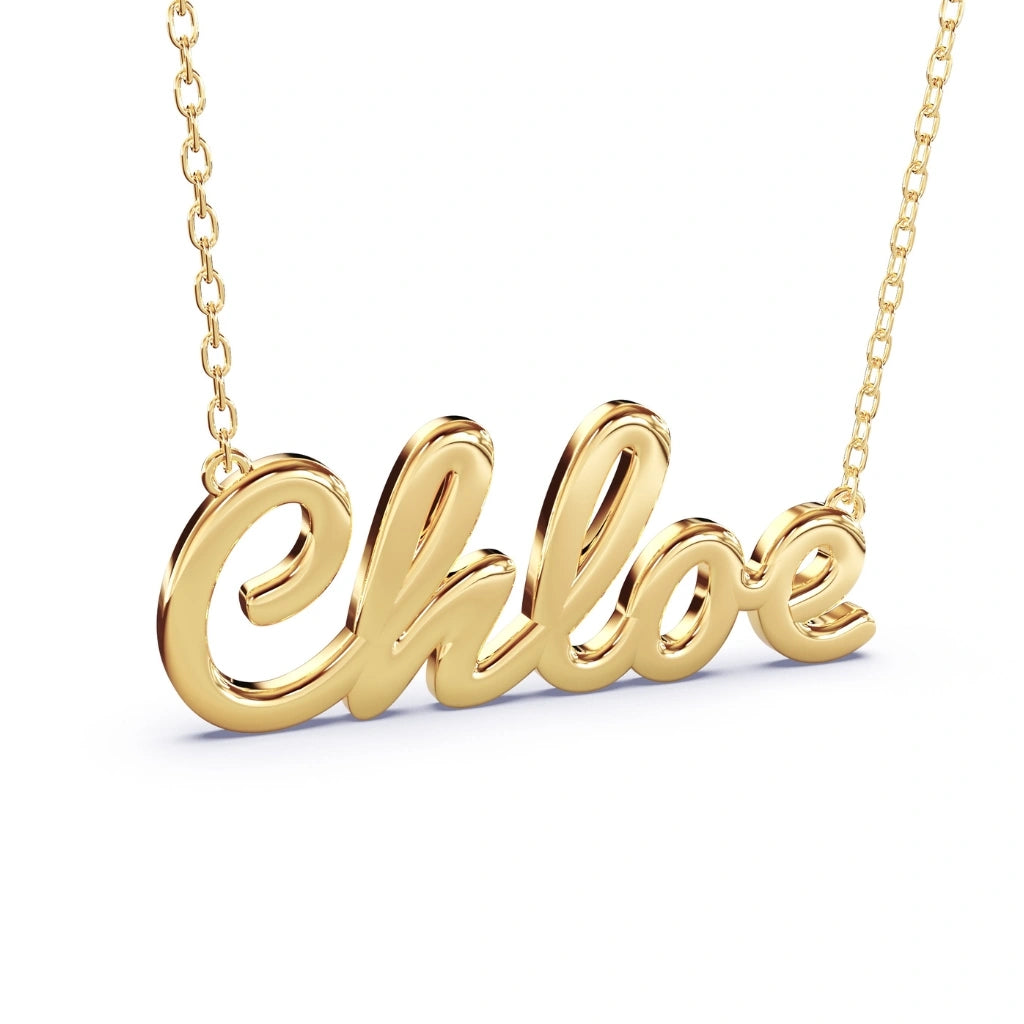
Classic Gold Name Necklace
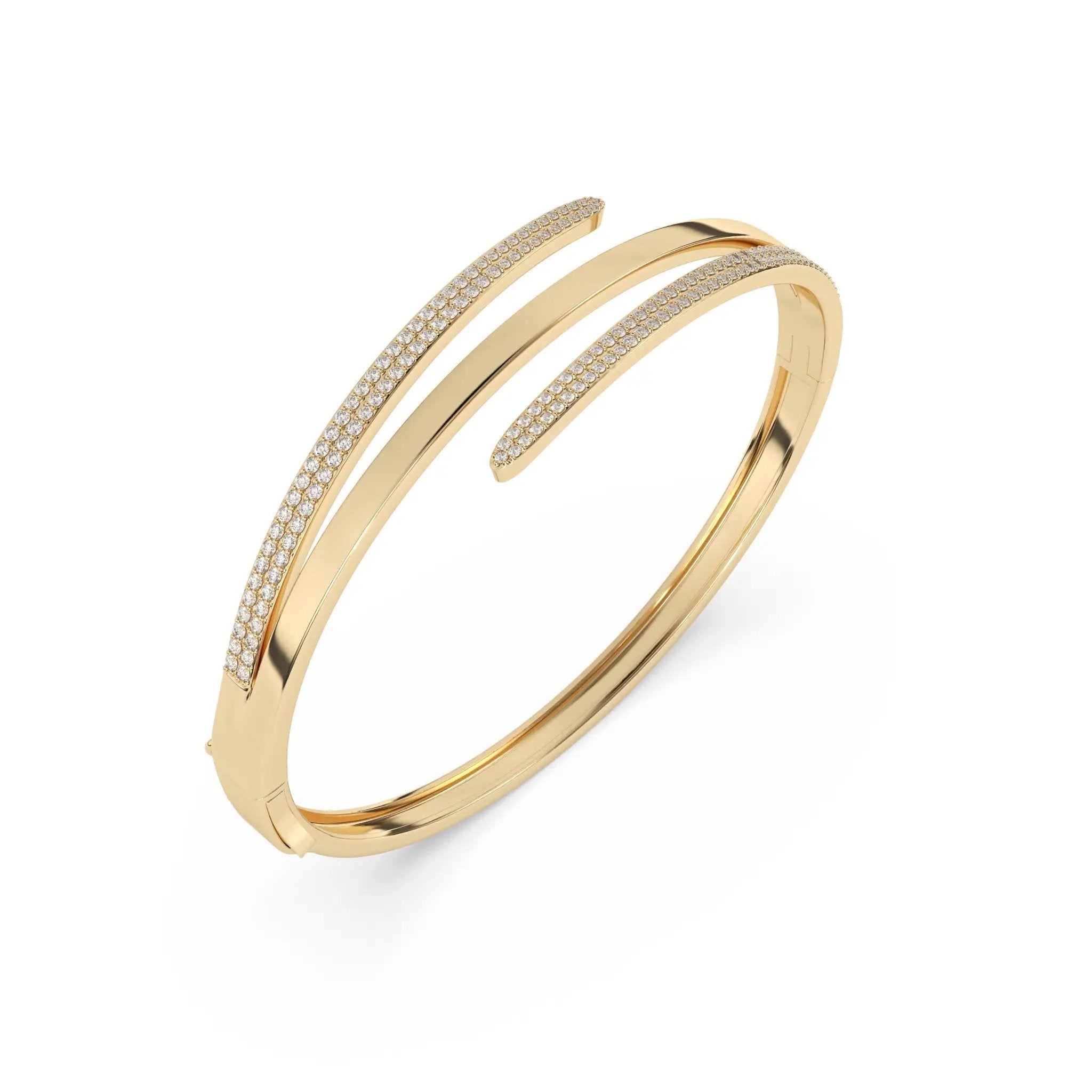
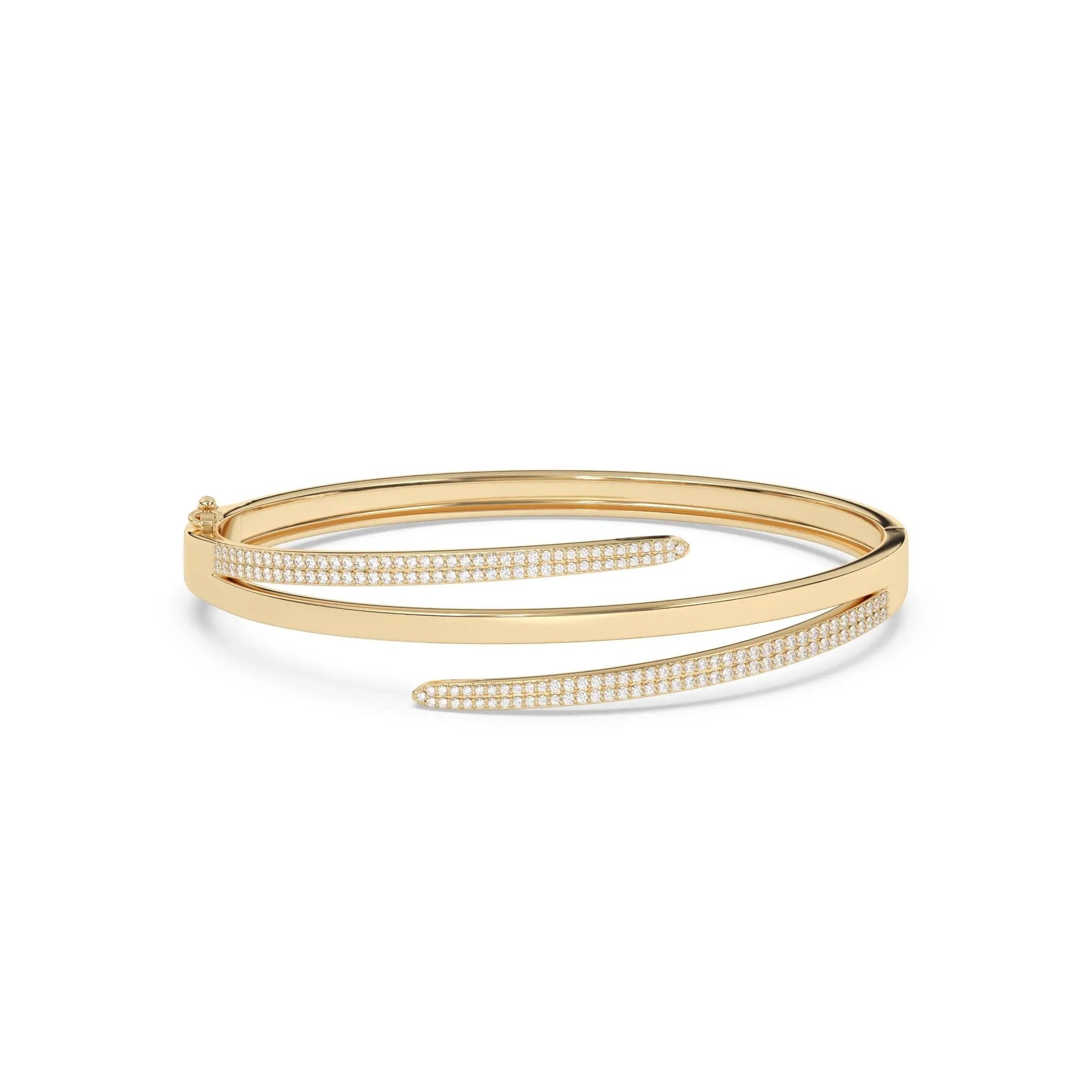
Diamond Twist Bangle

Written by Katie Silver