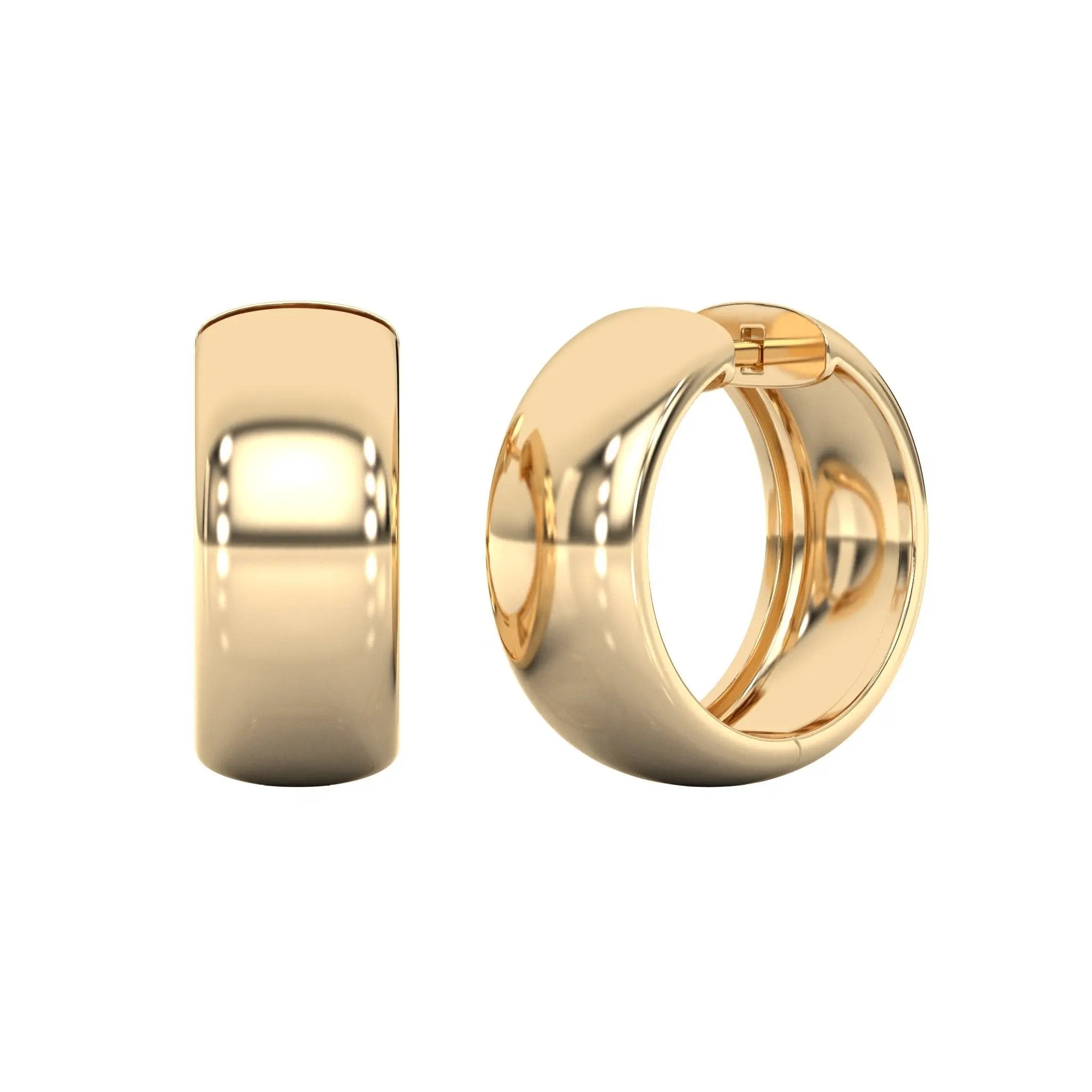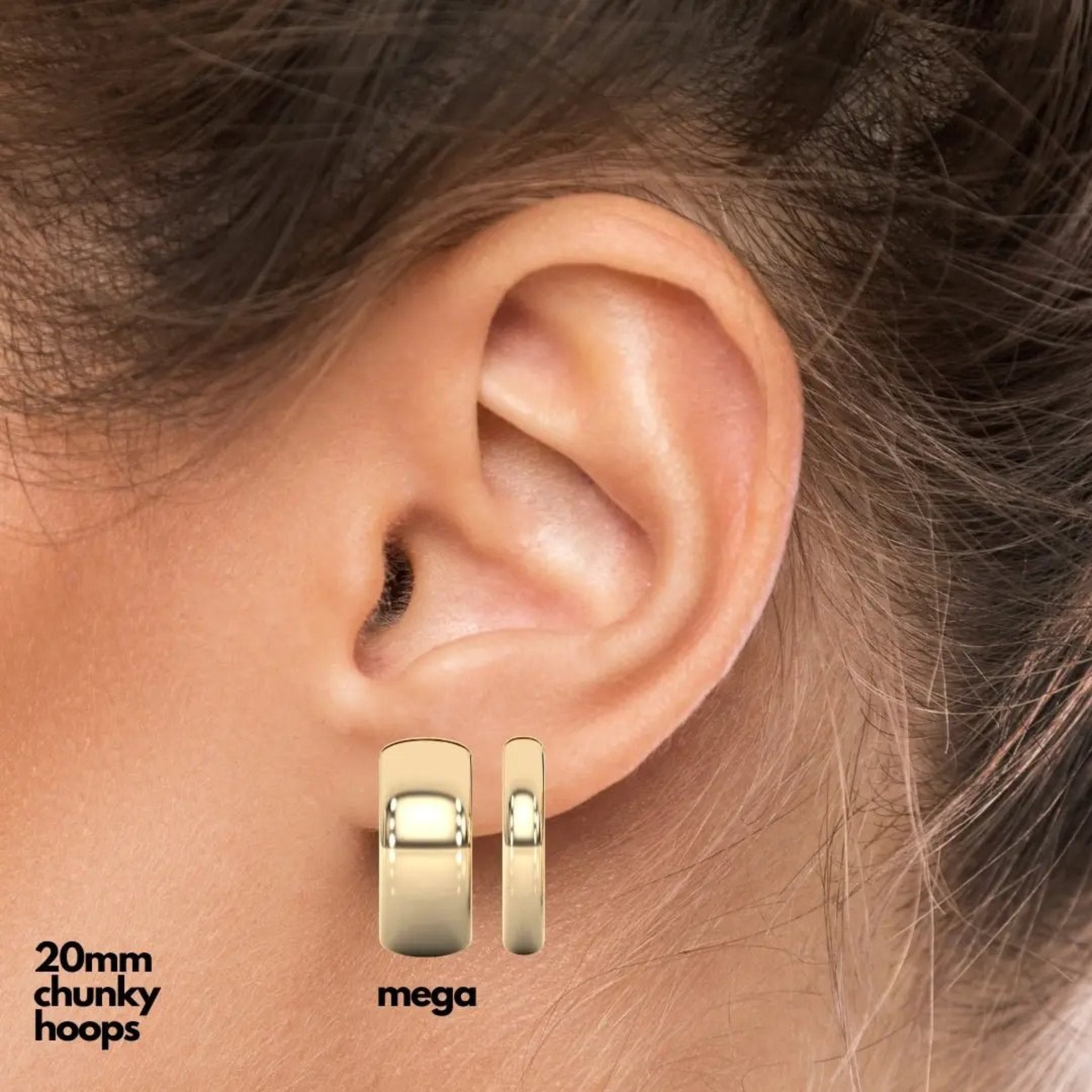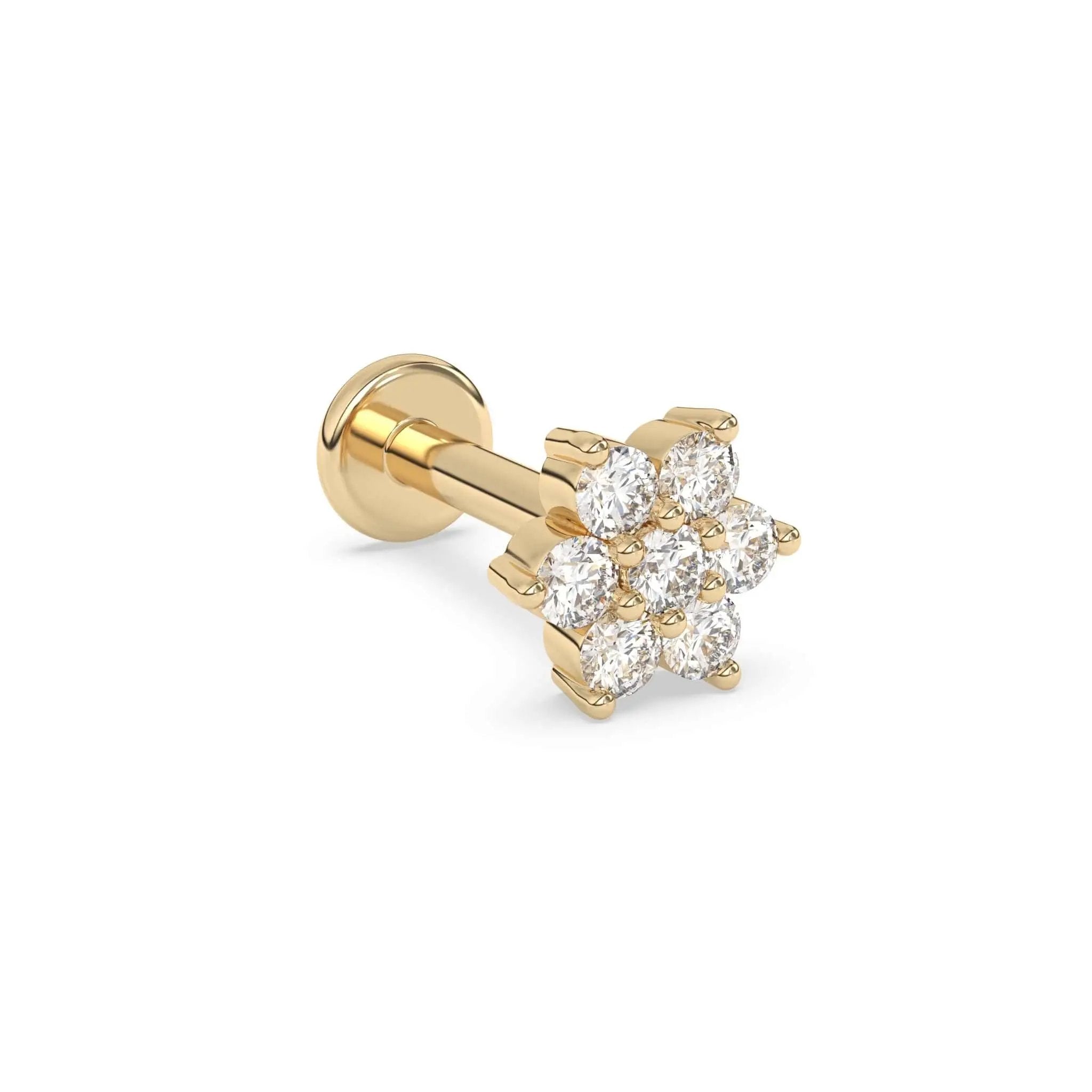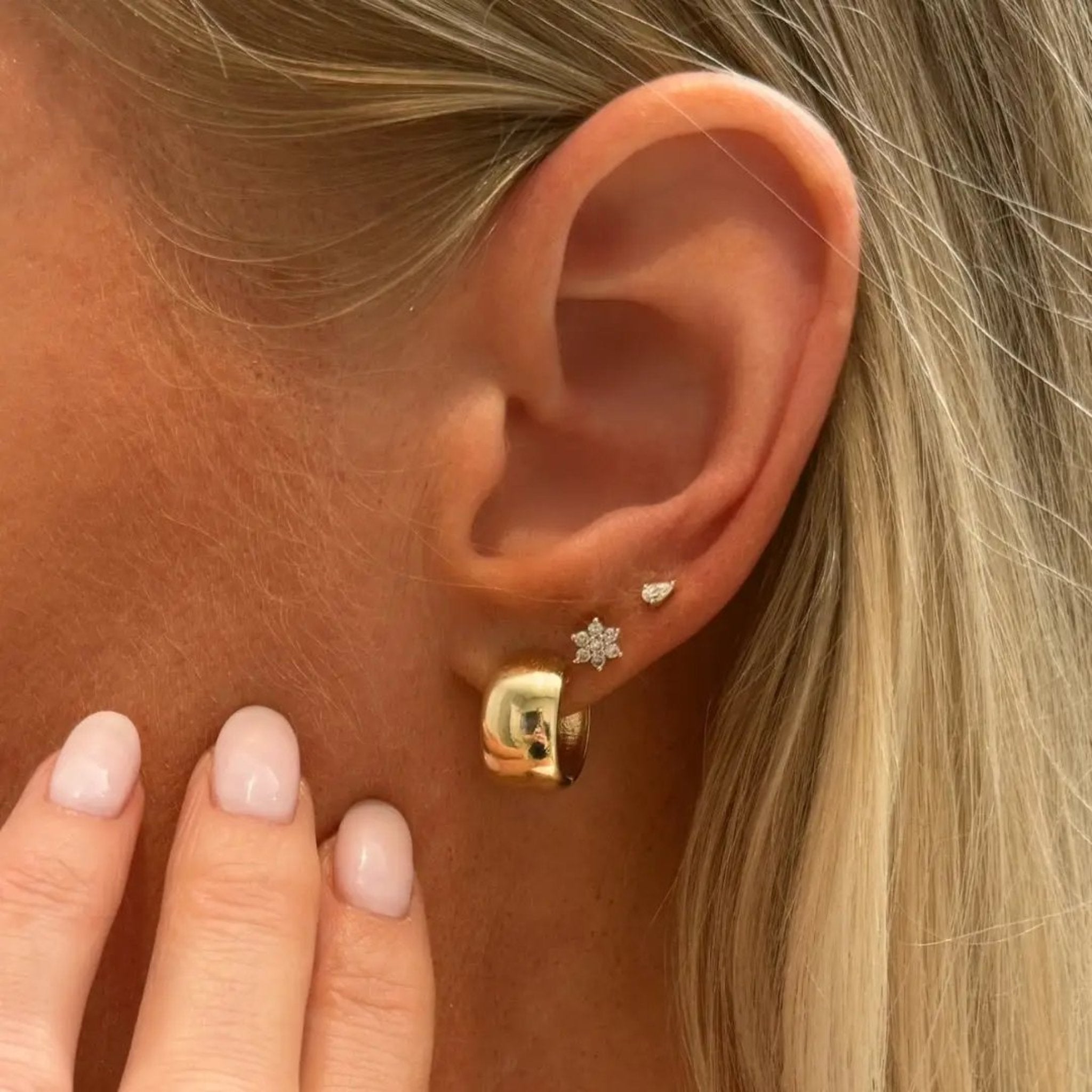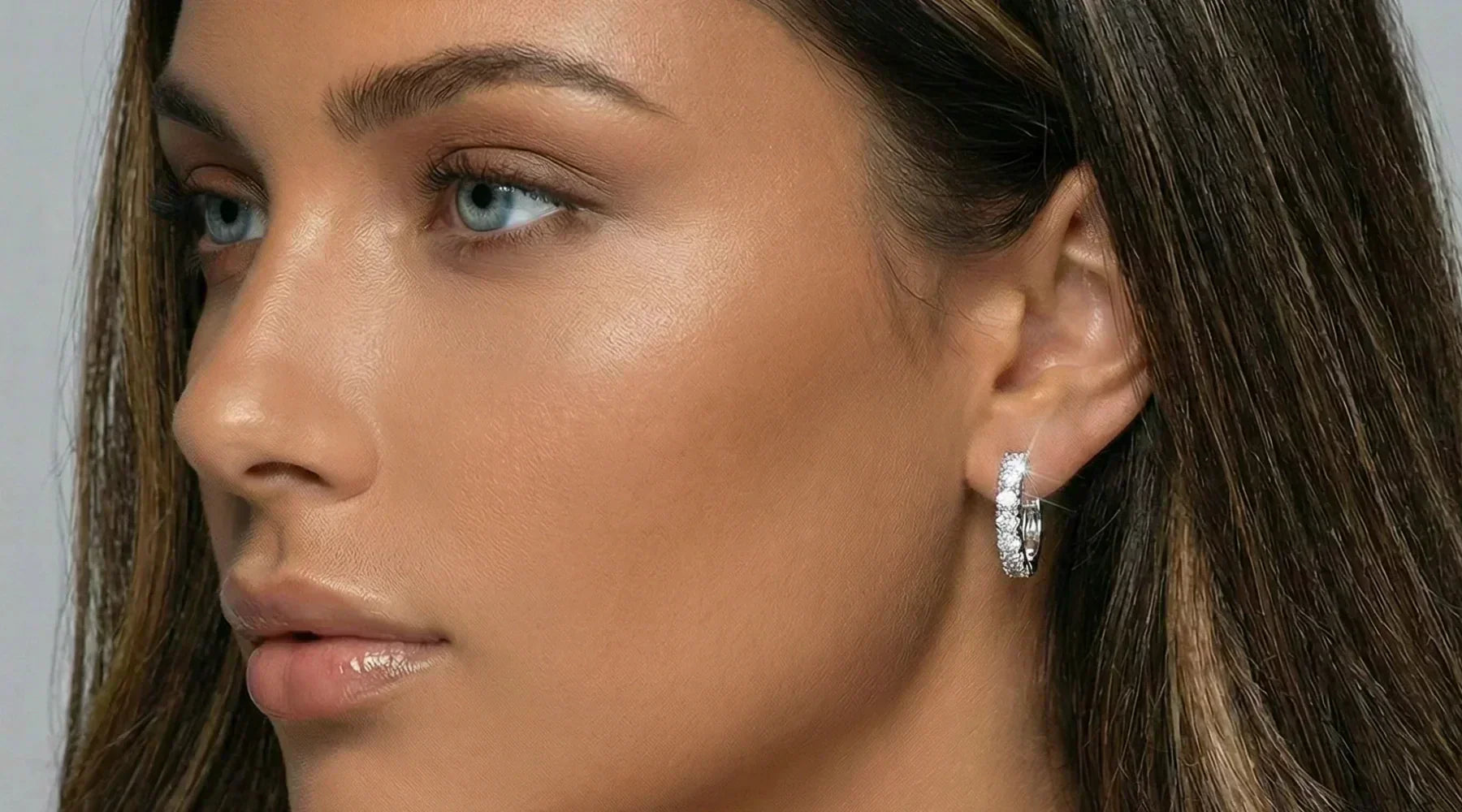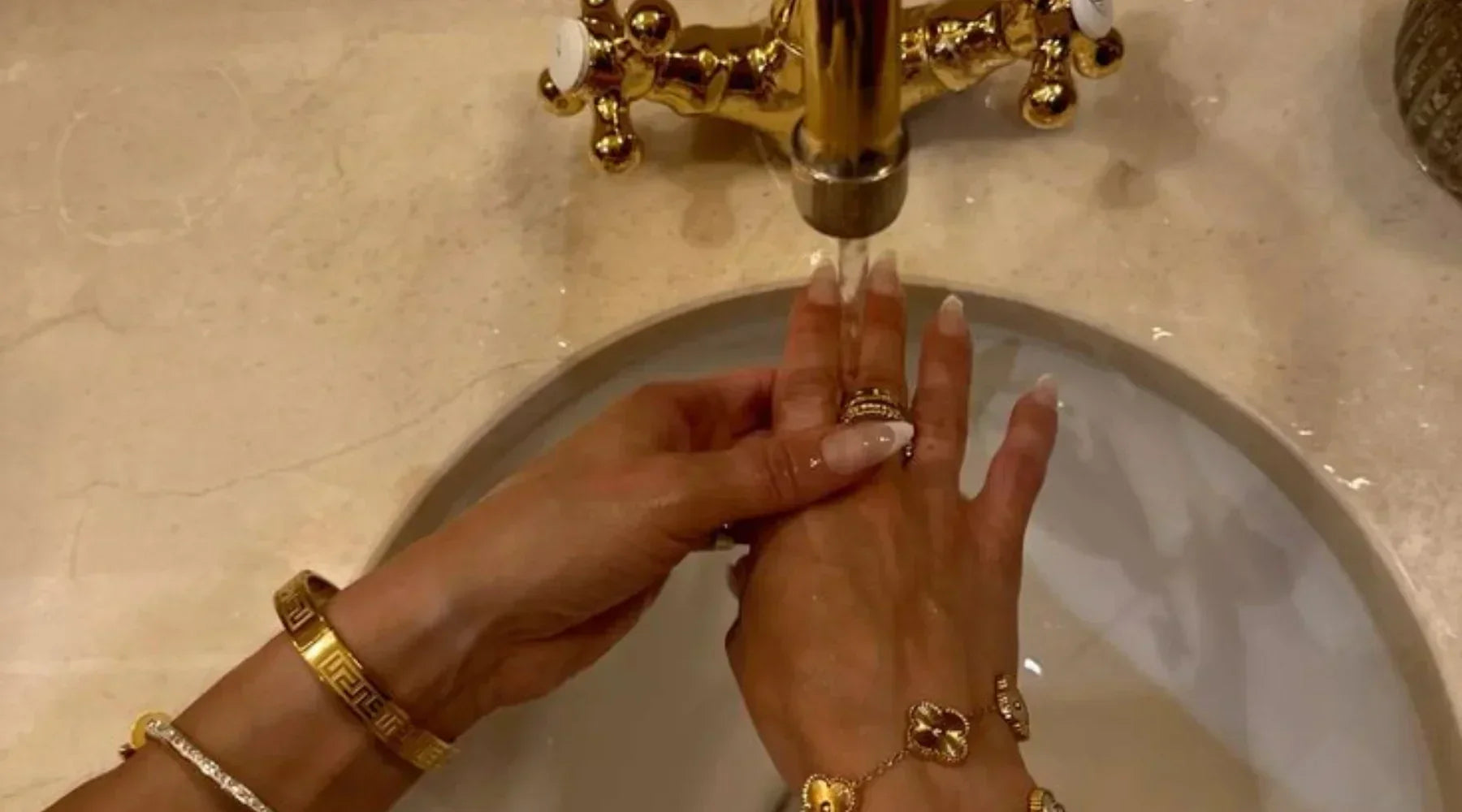
We all have those “forever” pieces. The gold rings or necklaces we live in and barely think about taking off. Over time though, life shows up on them. Hand creams, suncream, natural oils, even the most beautiful gold can start to look a little muted.
That dullness isn’t a reflection of quality. It simply means your jewellery is due for a small reset. This guide explains how to clean gold jewellery safely at home, how different gold types and gemstones respond to cleaning, and when it’s wiser to let professionals like Argent & Asher step in for a proper polish.
Why Cleaning Gold Jewellery Matters
Cleaning gold jewellery isn’t about perfection. It’s about protection.
When gold is worn against the skin, it naturally collects oils that attract dust and residue. Left alone, that build-up dulls the surface and fills engraved details.
- Keep engraved or personalised details crisp
- Reduce irritation caused by trapped residue
- Maintain that just-bought glow without aggressive polishing
Ten to fifteen minutes every few weeks is usually all it takes.

How Gold Type Affects the Way You Should Clean It
Different gold types respond differently depending on purity and alloy content.
Pure Gold (24k)
24k gold doesn’t tarnish, but it is extremely soft. Warm water, a soft cloth, and minimal handling are best.
18k and 14k Gold
These are ideal for everyday wear. A mild soap wash keeps them looking fresh without compromising durability.
9k Gold
With a higher alloy content, 9k gold can dull faster. More frequent but gentle cleaning helps maintain its finish.
White, Rose & Yellow Gold
- Yellow gold is the most forgiving
- Rose gold benefits from occasional buffing
- White gold requires extra care — aggressive cleaning can affect its rhodium finish
Monthly home cleaning paired with annual professional polishing keeps all gold types in top condition.
What Actually Makes Gold Jewellery Look Dull
Gold doesn’t lose its shine because it’s poor quality. It dulls because it’s worn and loved.
Suncream, moisturiser and natural oils form a thin film that attracts dust. Without occasional cleaning, that layer becomes stubborn — but it’s entirely avoidable with light maintenance.
Simple Checks Before You Start Cleaning
- Gently tap the piece near your ear — rattling means stop
- Wipe away surface residue with a dry cloth
- Check clasps, links and settings for security
These small checks prevent accidental damage during cleaning.
Tools You’ll Need
- Microfibre cloth (lint-free and gentle)
- Mild dish soap (fragrance-free)
- Soft toothbrush for crevices
Most professionals agree: mild soapy water beats harsh solutions every time.
How Long Does Cleaning Take?
- Soap & water: 10–15 minutes
- Commercial sprays: under 10 minutes
- Professional cleaning: zero effort, consistent results
How to Clean Gold Jewellery Safely at Home
Baking Soda Method (Occasional Use Only)
Best for: plain gold bands
Avoid: gemstones and white gold jewellery
- Mix baking soda with water into a thin paste
- Apply gently with a soft cloth
- Rinse thoroughly
- Dry immediately
Vinegar Method (Very Occasional)
Vinegar cuts grease but is acidic.
- Dilute white vinegar 1:1 with water
- Soak for no more than 5 minutes
- Rinse and dry thoroughly
Commercial Cleaning Sprays
Choose products specifically made for solid gold and follow instructions precisely. Cloths are generally safer than liquids.
 How Often Jewellery Should Be Cleaned
Cleaning Gold with Diamonds & Gemstones
Diamonds are durable, but settings are not. Stick to warm water, mild soap and thorough drying.
Porous stones - pearls, opals, emeralds - should not be soaked or exposed to chemicals. Home ultrasonic machines are especially risky for multi-stone or heirloom pieces. This is where professional care matters most.
When Professional Cleaning Is the Better Choice
If dullness doesn’t lift with gentle home cleaning, or if stones feel loose, it’s time to step away.
Retailers that offer aftercare are worth prioritising when buying gold online. Argent & Asher provide professional cleaning, polishing and repair services designed to extend the life of fine jewellery — not wear it down.
Simple Storage Habits That Protect Gold
- Store pieces separately in soft pouches
- Keep jewellery dry and away from humidity
- Avoid piling pieces together
Good storage reduces how often cleaning is needed.
FAQs
What should I do if my gold jewellery becomes discoloured?
Begin with a gentle soak in warm, soapy water. If marks remain, professional cleaning is recommended.
Is it safe to wear gold jewellery in water?
Occasional contact is fine, but prolonged exposure can dull finishes and loosen settings.
Can I use an ultrasonic cleaner at home?
These are best handled by professionals, particularly for jewellery with gemstones.
How do jewellers clean gold before resale?
They use professional polishing equipment and controlled solutions designed to restore gold without thinning the metal.
How can I verify UK jewellery cleaning products?
The National Association of Jewellers provides trusted consumer guidance for buying and caring for jewellery in the UK.
Final Thoughts
Gold doesn’t need aggressive care. Warm water, mild soap and a soft cloth go a long way.
Higher-karat gold benefits from a lighter touch, while gemstone pieces deserve extra caution. Annual professional cleaning helps preserve structure, shine and setting security, especially for pieces worn daily.
If you’d like expert care beyond home cleaning, Argent & Asher offer professional services designed to keep fine jewellery looking considered, confident and well-loved.