This is a complete, no-nonsense guide to 14K gold so that you can buy your jewellery without any stress.
14K Gold: Everything You Need to Know Before You Buy
From composition and value to everyday care — your complete guide to buying, wearing, and keeping 14K gold jewellery.

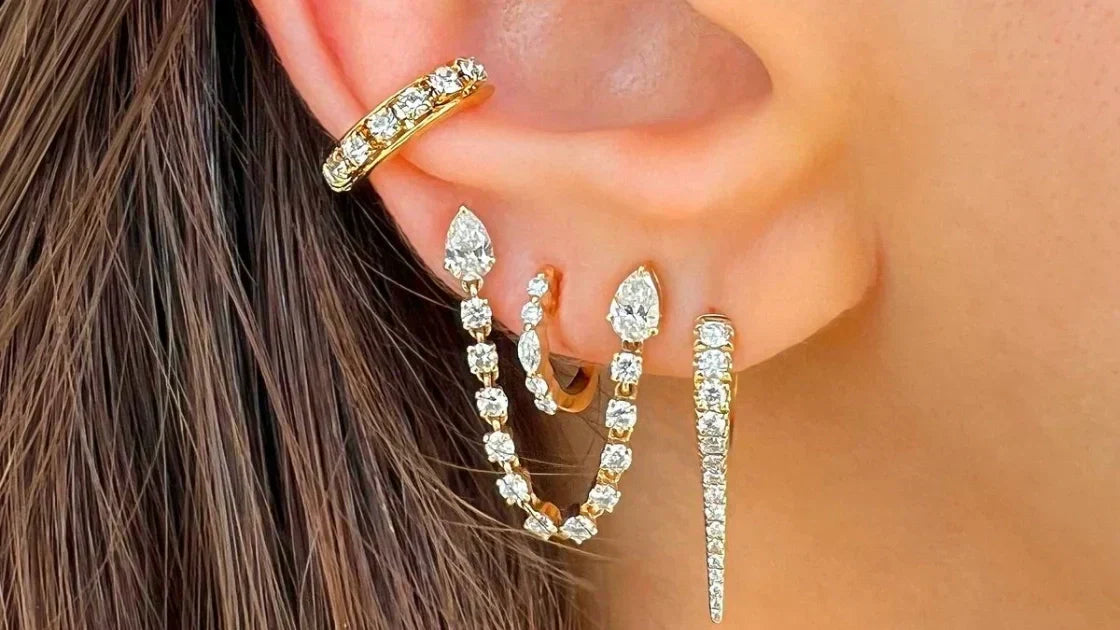
From engagement rings to everyday chains, from earrings for a night out to bracelets worn to the office, 14K gold has become the quiet favourite — beautiful enough to feel special, practical enough to live in.
But before you buy, questions arise. How much is 14K gold worth? Does it tarnish? Is it really real gold? We've answered all of it below.
Understanding 14K Gold
What Is 14K Gold?
Pure gold is known as 24K gold. Everything else is an alloy. In the case of 14K gold, 58.3% is pure gold, with the remainder made up of metals such as copper, silver, or zinc.
Those additional metals are there for a reason: they give the jewellery the strength to withstand daily life. Pure gold is undeniably beautiful, but far too soft to wear reliably. A 14K gold bracelet or chain, by contrast, stays lovely and intact for years — because it's built to be lived in.

How 14K Gold Compares
To understand 14K gold's value, it helps to see it alongside the other karats.
24K gold is pure, but too soft for everyday jewellery — it's best purchased as bars or for investment. 22K gold at 91.7% purity is still too delicate for constant wear, though it features beautifully in ceremonial and cultural designs. 18K gold at 75% has a wonderful depth of colour, but it's softer and considerably more expensive than 14K. 10K gold is harder and cheaper, but at only 41.7% gold, the colour loses its warmth.
14K sits in the sweet spot — enough gold for a rich, genuine colour, enough alloy for the durability that daily wear demands.
Quality & Value
Is 14K Gold Real Gold?
14K gold is not pure gold — but it is absolutely real gold. It contains 58.3% pure gold, making it a genuinely precious and valuable metal. The additional alloys are not a drawback; they are a considered engineering choice that makes the piece wearable for a lifetime.
When you slip on a 14K gold ring or fasten a 14K gold bracelet, what you are wearing is precious — in material, in value, and in meaning.
What Is Hallmark Gold?
14K gold comes with stamps that confirm its purity and authenticity — this is what we call hallmark gold. The mark will read 14K or 585. When you see either of these, you know the piece has been tested and verified. It is your assurance that this is the genuine article.

Is 14K Gold Good Quality?
It is precisely its quality that makes 14K gold such a standout. The alloyed metals protect it against the realities of daily wear — it resists scratching and bending in a way that higher-karat golds simply cannot.
Its 58.3% gold content gives it that classic, warm yellow hue — and it is equally beautiful in white gold for a contemporary look, or rose gold for something softer and more romantic.
With proper care, 14K gold is built to last decades. A pair of 14K gold earrings worn today will keep their shine for generations to come.

14K Gold vs Other Karats
The differences between karats come down to purity, colour, durability, and cost. Here is how they stack up.
| Karat | Gold Purity | Colour | Durability | Price Range |
|---|---|---|---|---|
| 10K | 41.7% | Paler yellow, sometimes slightly whitish | Very durable | Lowest |
| 14K ★ | 58.3% | Rich yellow, balanced warmth | Durable, ideal balance | Moderate |
| 18K | 75% | Deep, vibrant yellow | Softer than 14K | Higher |
| 22K | 91.7% | Very rich, bright yellow | Softer, prone to scratches | High |
| 24K | 99.9% | Pure bright yellow, very soft | Not suited for daily wear | Highest |

How Much Is 14K Gold Worth?
14K gold is generally on the lower end when compared to higher karats, though the final price depends on weight, design complexity, and where you are shopping. As of April 2026, 24K gold was trading at around £114.12 per gram in the UK — which puts 14K gold at approximately £46.58–£63.22 per gram for the raw metal alone.
Once craftsmanship is added, a 14K gold ring typically costs between £400–£900. A chain ranges from £300–£2,500 depending on length and thickness, and earrings from £150–£1,800 — from a simple stud to something more intricate.
Is 14K Gold Luxury on a Budget?
It may not command the same price point as 18K or 22K designer pieces, but 14K gold is a genuinely premium choice for jewellery you want to wear every day. The value is real; the price is simply considered.
Also read: How Much Is 14K Gold Worth Compared to Other Karats?
Authenticity & Care
How to Tell If Your Gold Chain Is Real
The first thing to look for is the hallmark stamp. A genuine 14K piece will be marked 14K or 585. It may also carry a maker's mark or an assay office stamp — these are a piece's authenticity certificate, whether it is a chain, ring, or earrings. A small detail that makes all the difference.
If you need further confirmation, a jeweller can run an acid test or use an electronic tester. At home, a simple magnet test can rule out fakes: gold is not magnetic, so if a piece sticks to a magnet, it is unlikely to be gold.
Avoid the old toothpaste and lemon juice tricks you may have read about — they are unreliable and can actually damage your jewellery. Trust the hallmark, and buy from brands who stand behind it.

How to Avoid Tarnish, Fading & Scratches
Pure gold is naturally unreactive — it is hypoallergenic and unbothered by air or water. The alloys that give 14K gold its strength, however, are more reactive, and over time sweat, perfume, and chlorine can cause tarnishing.
Does 14K gold fade? Not exactly. The colour is inherent to the metal, not a coating that can wash away. Scratches and accumulated grime can dull the surface over time, but 14K gold is significantly more scratch-resistant than higher-karat alternatives — which is precisely why it suits everyday jewellery so well.
How to Protect Your 14K Gold
A little care goes a long way. Clean your pieces regularly and consider a professional clean every so often. Avoid wearing them in the shower or bath — shampoos and conditioners, however gentle on your hair, can be surprisingly harsh on metal. The same goes for swimming and the gym. And a small but worthwhile habit: put on your jewellery after your makeup, not before.
Can I Wear 14K Gold Every Day?
14K gold is built for exactly that. Wear it to the office. Wear it to dinner. Wear it dancing. With a few simple considerations — remove it before sleeping, showering, or exercising — it will remain a faithful, beautiful companion for every occasion.
Also read: Will 14K Gold Tarnish? Everything You Need to Know
How to Clean Your Gold
Cleaning your 14K gold jewellery is simple. A small amount of mild dish soap dissolved in lukewarm water, a soft brush to gently remove any dirt or oil, a thorough rinse, and a lint-free cloth to dry — that is all it takes.
What to Avoid
Avoid bleach, ammonia, and anything abrasive. Mild soap and warm water are genuinely sufficient — there is no need for chemical cleaners. If you feel your pieces need more attention, a professional clean is a better use of that money.
Store each piece separately in a lined box or soft pouch, so pieces cannot come into contact with one another and cause scratches.
Should I Buy 14K Gold? Is It Worth It?
The answer is yes. 14K gold offers something that is genuinely rare in the jewellery world: the perfect balance of affordability, durability, and beauty. It holds real value, it suits daily life, and it will not lose its brilliance with time.
Durable enough for every day. Beautiful enough to make any moment feel a little more considered. And priced honestly, without the premium of higher karats or the disappointment of plated alternatives.
Whether you are treating yourself or gifting someone you love, 14K gold is a choice you will not regret.
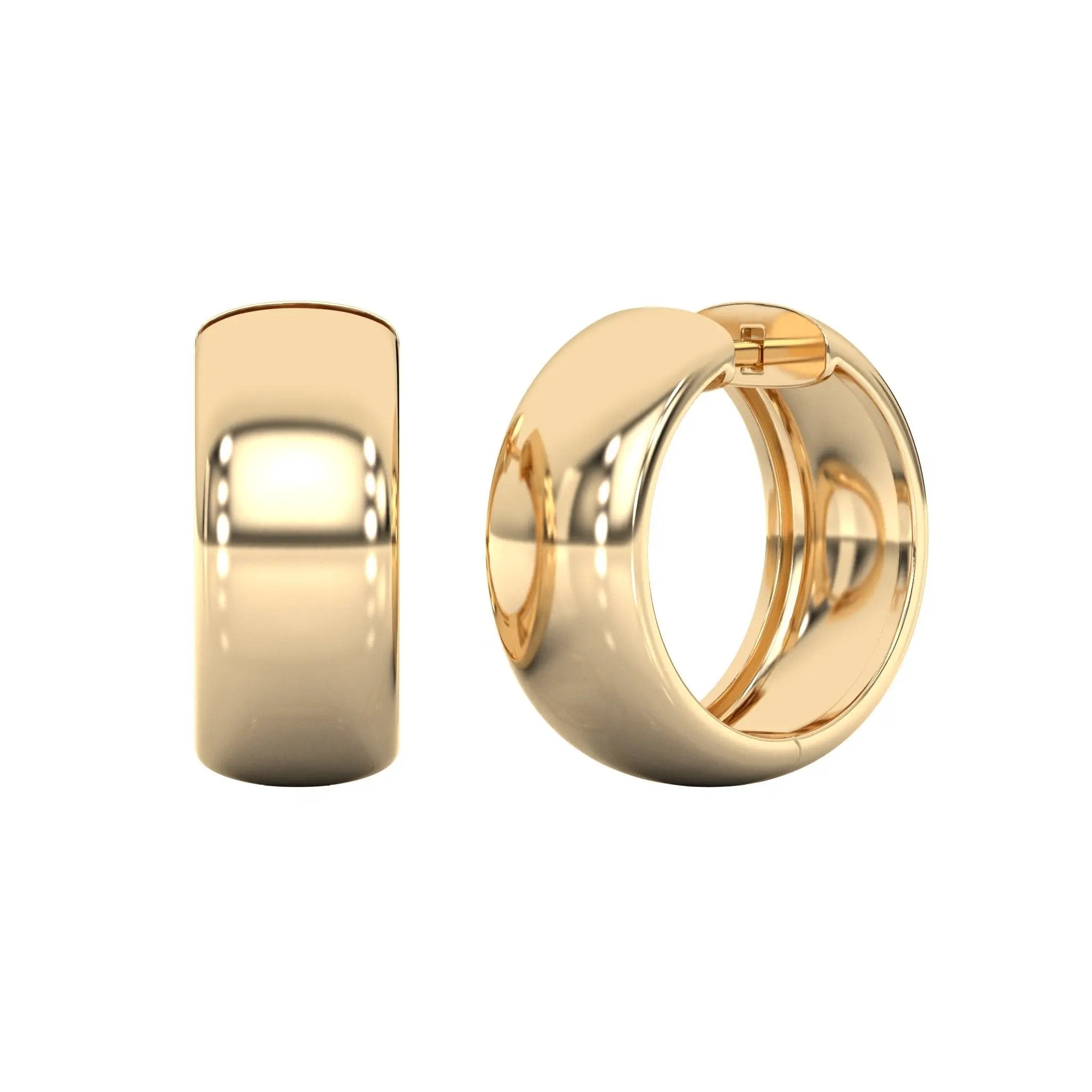
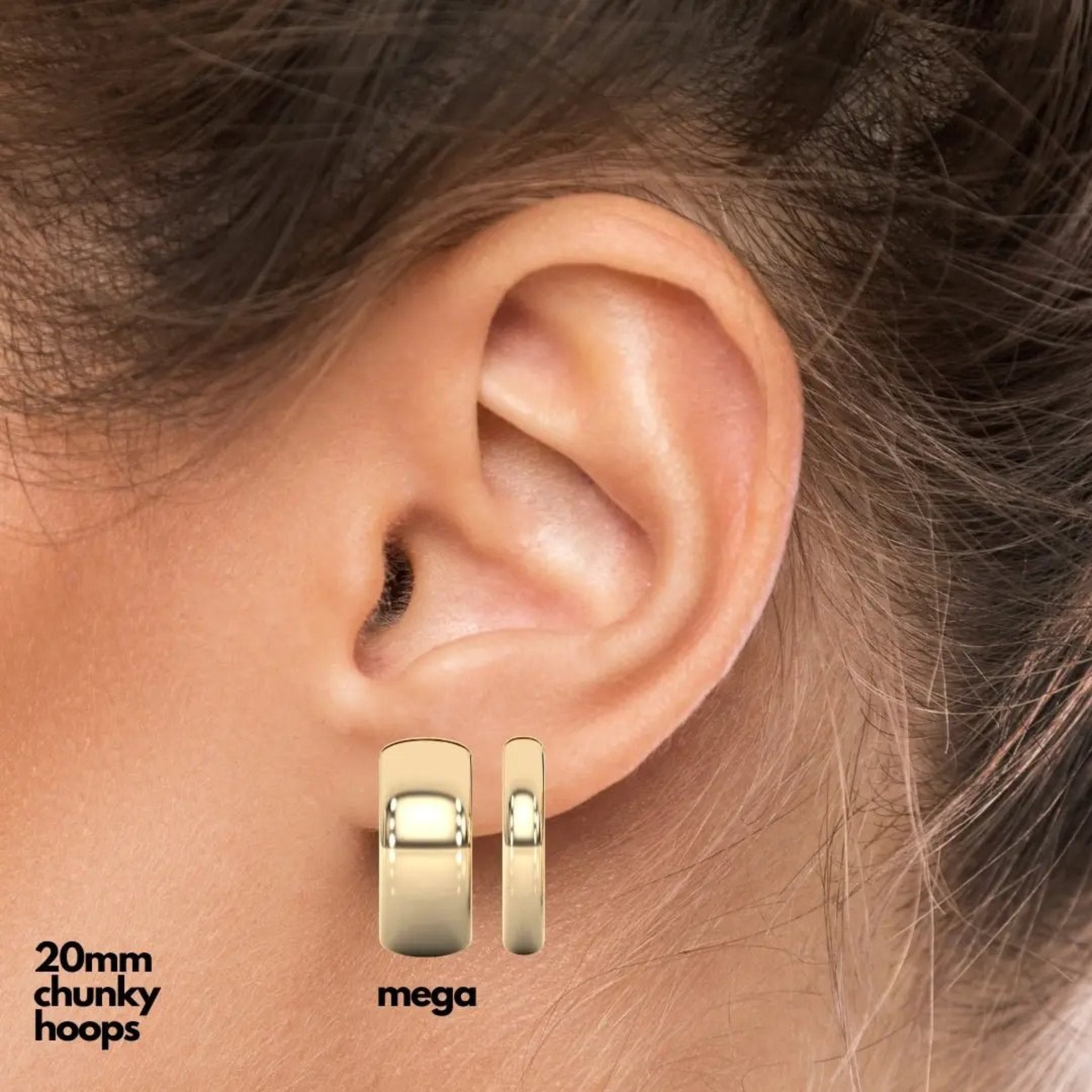
20mm Chunky Gold Hoops
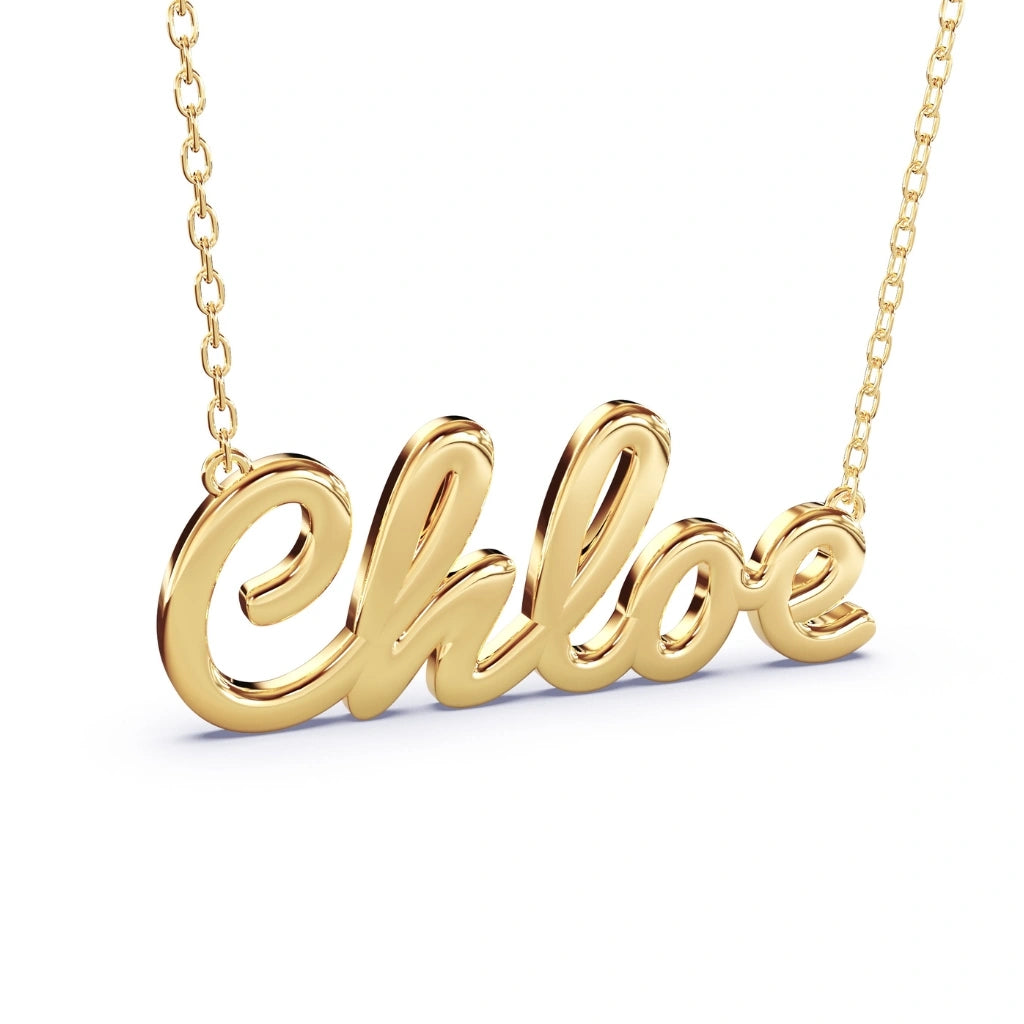
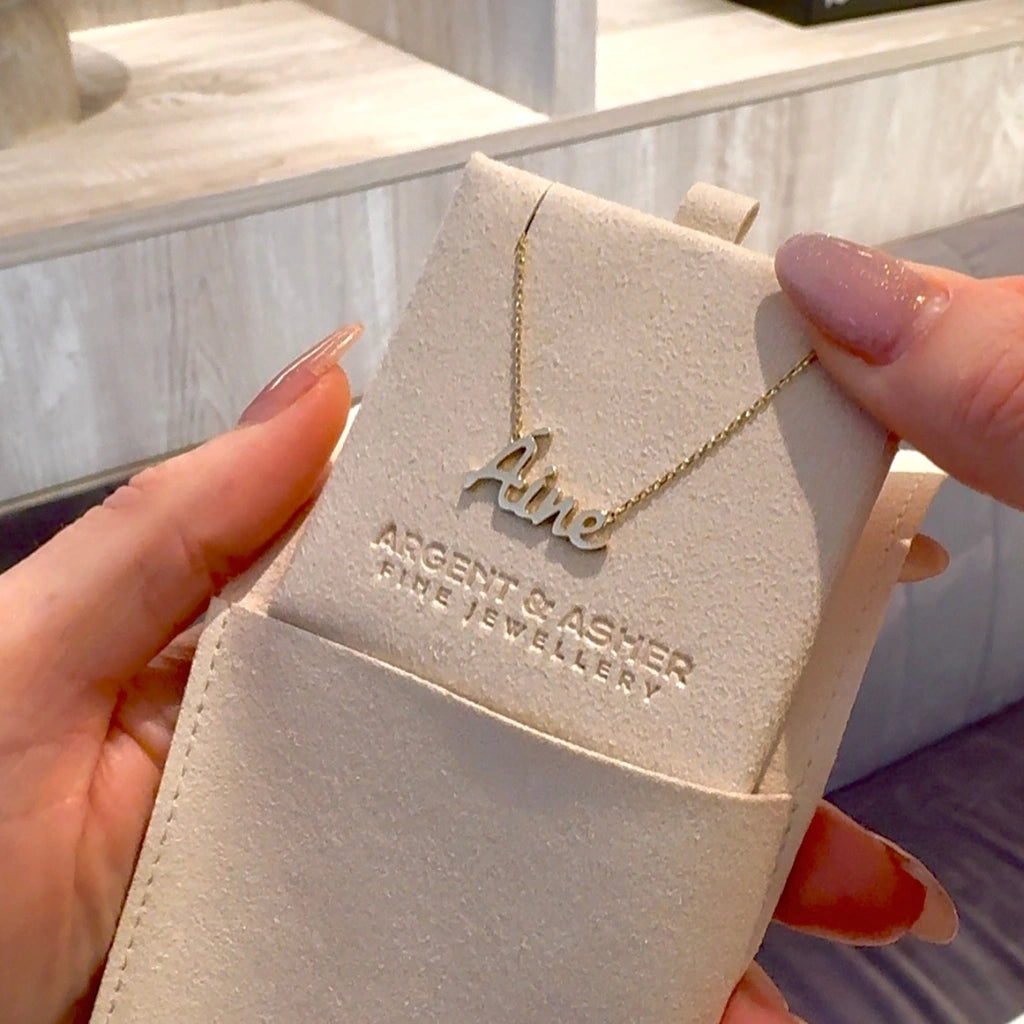
Classic Gold Name Necklace

Written by Katie Silver